REVIEW · Festivals
sis encounters Japan–Korea exchange in Tokushima — Naruto × Korea Fair
Naruto × Korea Fair setlist
Performance order
- U, Fu, U, Fu (う、ふ、う、ふ)
- Ai no Battery · Korean version
- DING DONG Kudasai · Korean version
- I can’t stop the loneliness
- Eomji Cheok
- Aoi Sangoshou
“Structured as a whole event, rather than only a concert”
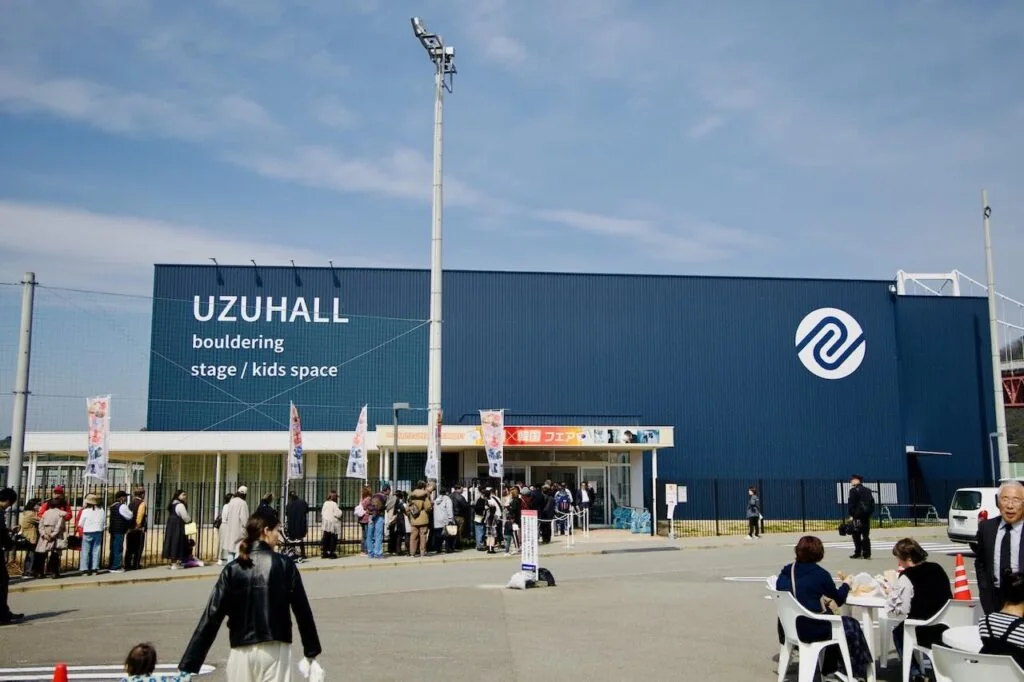
On March 20, 2026, UZUHALL in Naruto, Tokushima Prefecture, hosted “Naruto × Korea Fair With NARUTO SUPER DANCE PROJECT.” Rather than simply attending a concert, it was an opportunity to see Japanese and Korean content mingle in one place. The announced program combined dance, free lessons, live music and food trucks, a structure that continued on site.
Perhaps helped by free admission, the audience was relatively diverse rather than confined to one fan group. People naturally enjoyed the whole event instead of focusing only on a concert, giving it a different texture from a conventional show.
“An atmosphere forming before the performance”
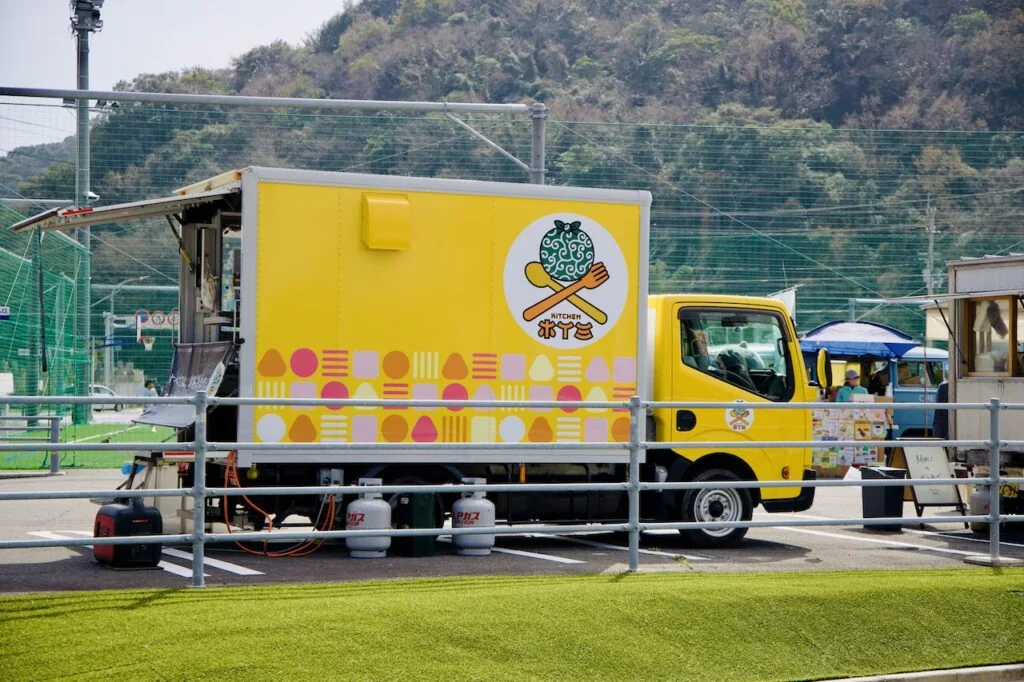
The food-truck area opened at 11:30 a.m., ahead of the main program at 2 p.m. Activity began outside rather than directly inside the hall, naturally encouraging longer stays instead of arrival only at showtime.
Trucks mainly serving Korean food seemed part of the concept, not simply an amenity. Gradually, people moved into the hall, connecting the spaces without strain.
“sis opens by lifting the atmosphere”
Unexpectedly, sis rather than a dance team began the show. Events of this kind often start with performance groups or introductory programs, but here sis immediately took the foreground and guided the flow. Attention gathered at once and the room quickly settled into the performance, clearly signaling its direction.
They opened with “U, Fu, U, Fu,” followed by “Ai no Battery,” “DING DONG Kudasai,” “I can’t stop the loneliness,” “Eomji Cheok” and “Aoi Sangoshou.” Rather than a mere sequence, it began light and bright, raised the tempo, introduced changes and maintained momentum to the end.
Especially notable were Korean versions of “Ai no Battery,” “DING DONG Kudasai” and “Eomji Cheok.” Although Japanese versions exist, the Korean performances fitted naturally into this event.
Despite the Japanese setting, they did not standardize everything into Japanese, instead preserving the songs’ original feel. This naturally revealed a stage grounded in exchange rather than simply a local appearance.
Transitions were also smooth. After lifting the pace early, “I can’t stop the loneliness” briefly settled the mood, before “Eomji Cheok” and “Aoi Sangoshou” raised responses again. Reactions became more visible toward the end; although still early in the program, the atmosphere already seemed near a first peak.
That strong opening helped the following dance, lessons and talk connect naturally. More than an opening act, sis established a reference point for the entire event, making its set one of the program’s important sections.
“Changes visible in KANO MIYU onstage”
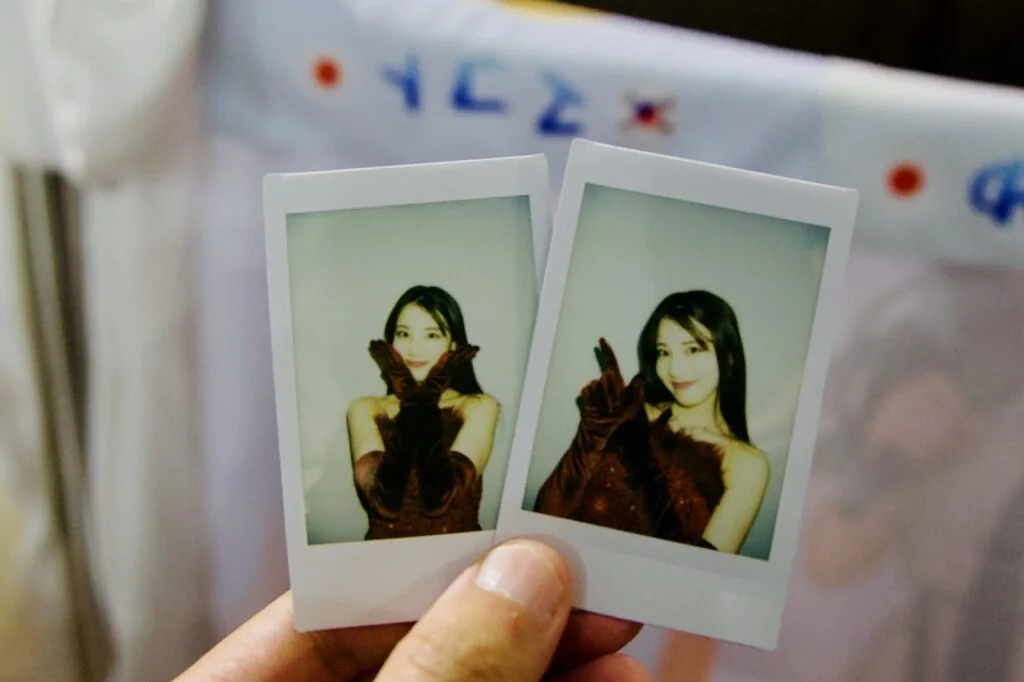
KANO MIYU’s change caught the eye. With long, straight hair, she looked calmer and more composed than before, affecting the overall atmosphere naturally. Rather than standing apart, she seemed to contribute steadiness within the flow.
Bright songs retained her usual easy energy; emotional passages followed the music rather than relying on excessive force. Instead of leading everything, she fulfilled her role precisely within the team and maintained balance, making the stage feel more settled.
“Moving into dance performances and lessons”
After sis, teams from Zenith Glocal Academy performed. With the atmosphere already warm, this changed the character rather than simply creating excitement, moving naturally from music-centered to movement-centered performance.
The free dance lesson was a distinctive feature. Participants performed onstage and received instructor feedback; interpretation made it accessible to Japanese participants. Sharing the process rather than only a finished result set it apart from a conventional show.
“A shift into conversation”
The lesson was followed by a talk with chairman Kang Jun and choreographer Lee Ju-sun. Slowing the pace, it explained the project’s direction and meaning: why this program had been assembled, rather than simply continuing performances.
Explanations of education and the project layered onto the performances and lessons made the whole structure clearer. Its link to a longer-term project emerged naturally.
“A steady final stage brings things together”
Shigeru Matsuzaki closed the program. After sis built the opening energy and dance, lessons and talk followed, a veteran singer gathered the flow into a conclusion, connecting the varied elements.
Songs including “Ai no Memory” and “Lupin the Third” lifted responses again and increased the stage’s intensity. Particularly impressive were concentration and bearing that belied his age of 76 that year. Maintaining the flow to the end, not merely singing, revealed his experience.
His singing and performance remained steady. Rather than pushing excessively, he led within his own rhythm, giving the ending stability. If earlier stages created energy and movement, this section gathered and completed them, revealing his strengths.
“An event remembered for its structure”
The structure was more memorable than its scale. Performance, education, participation and outdoor space connected into an experience of the event, not just stage viewing.
The natural mixing of Korean and Japanese content on one stage suggested a direction beyond simple exchange. Programs were not isolated but continued within a shared flow, giving the whole coherence.
sis established the opening atmosphere and a reference point for the following programs. Ultimately, the event stayed in memory through the flow created by several elements together, rather than any single stage.

KANO MIYU changes the mood from afternoon to evening — Hanno Music Festival 2026

KANO MIYU returns to Fukuoka through song — Daikoku Festival 2026
KANO MIYU and SIS at the crossroads of Kuro Fes 2026
MAKOTO. places her own song among familiar classics — Kabukicho Street Live

sis in Atami, Part 2: Evening Falls on the Same Stage