REVIEW · Concerts & Live
Aiko Sumida and OVAL SISTEM: the energy that filled a small Seoul venue
Songs confirmed in the concert report
The complete setlist and running order have not been verified. These seven songs are documented in the article; the list below is not in performance order.
- Snsって
- On the Run
- Come Together
- I Surrender
- Never Alone
- Butter-Fly
- Face
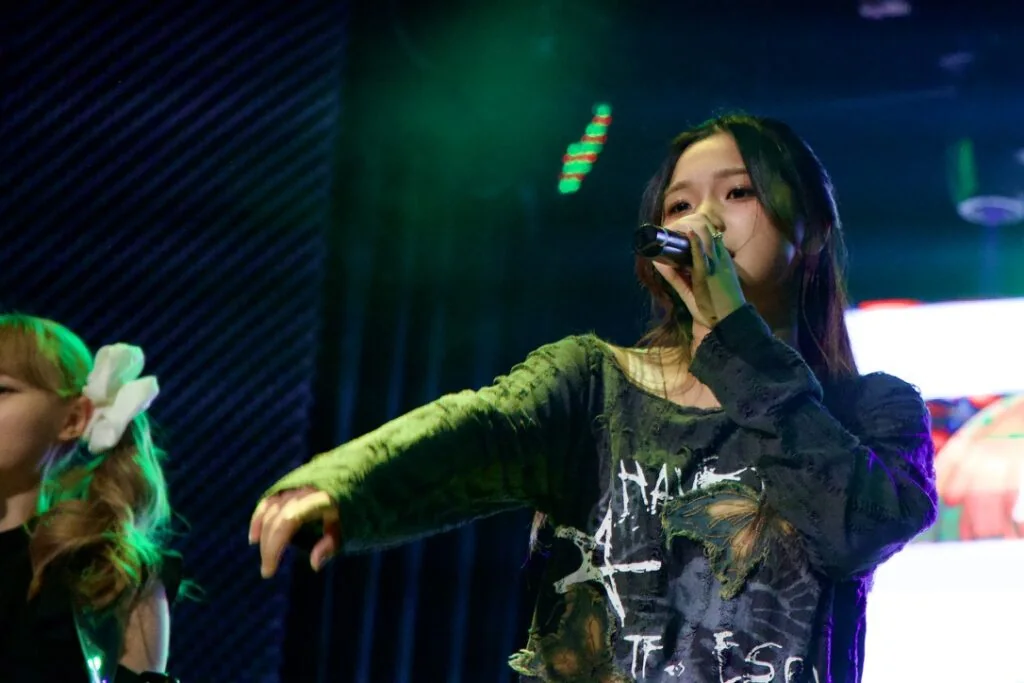
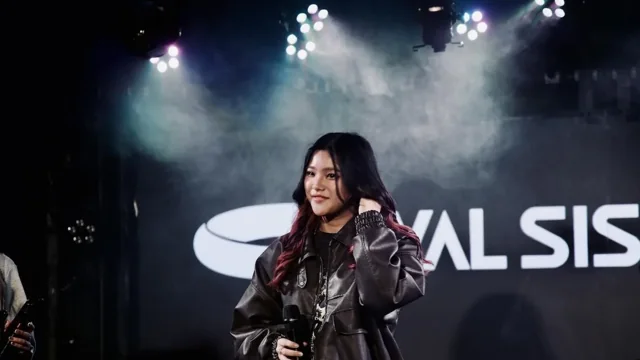
From the start on January 31, the air in a small Seoul live club felt different. OVAL SISTEM’s Korean concert was not a huge event in scale or format, but the energy arriving from the stage was anything but slight. The sound was rough-edged and the rhythm relentless. Rather than gently persuading the audience, the performance confronted it directly. This was a show to feel physically before trying to explain it.
Its impact cannot be reduced to proficient playing or enthusiasm. The band placed greater weight on energy in the room than on predetermined stability, and that choice brought the whole performance to life. At its centre was Aiko Sumida’s explosive presence, carrying the stage through to the end.
A changed line-up, a steady performance
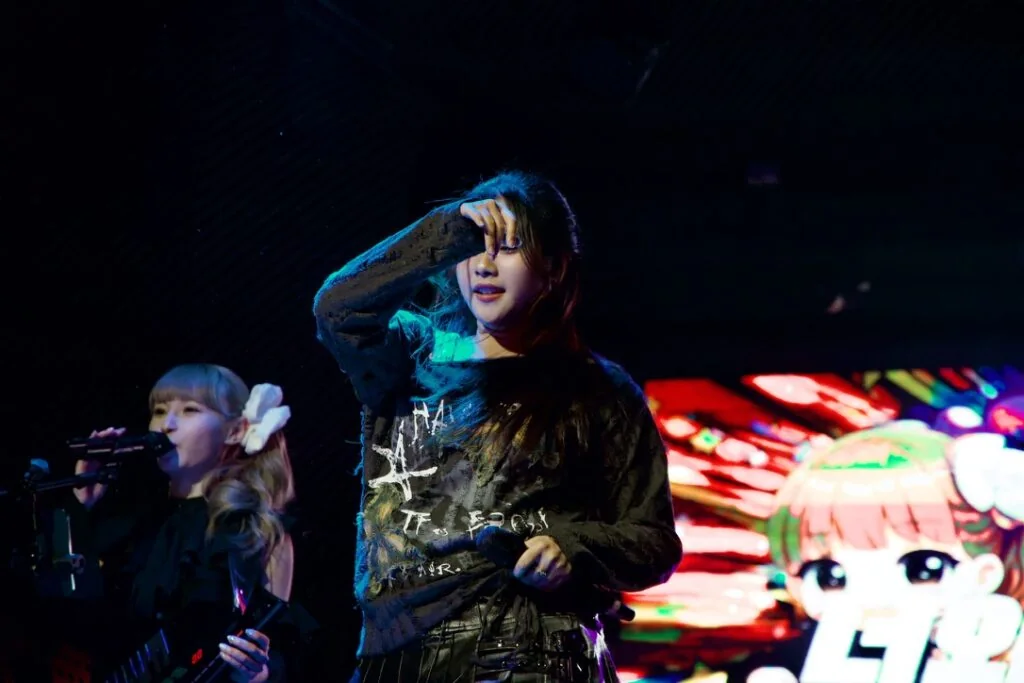
The concert differed in part from the announced line-up. Guitarist iBerry could not travel for health reasons, and a Korean session guitarist took the role. News shortly before the concert caused some uncertainty among the audience. In practice, the change revealed something essential about live music rather than undermining the performance.
The revised group maintained a generally assured flow. The substitute guitarist blended in without excessive display or disrupting the band’s character; few moments drew attention to an absent member. Flexible responses to the immediate situation made this feel like a stage being created in the present rather than a completely fixed show.
Original songs establishing the band’s present identity
The concert centred on OVAL SISTEM originals. Rather than simply rely on familiar signature material, the selection conveyed the music the band currently makes and how it wants to present it live. Songs including “Snsって,” “On the Run,” “Come Together,” “I Surrender” and “Never Alone” revealed its developing sound and current position.
The name is not yet widely known in Korea. Still, the room did not respond as though faced with wholly unfamiliar songs. Listeners quickly followed rhythms and structures, responding naturally to returning choruses and distinctive phrases. More than evidence of an existing fan base gathering, it suggested that the songs themselves worked persuasively in the room.
The originals held the concert’s centre without elaborate explanation or staging. Rather than repeatedly ask the audience to like a song, the band drove it through concentrated playing and vocals. Listeners were drawn into that movement. Increasingly, the selection felt less like a risky programme of new material than the work OVAL SISTEM could present with the greatest confidence now.
This also contrasted effectively with later covers. Familiar songs such as “Butter-Fly” and “Face” intensified the momentum already established by the originals rather than change its direction. Instead of depending on known songs to rescue the mood, the structure presented OVAL SISTEM’s identity first, then used familiarity to heighten the audience’s response.
Where fans met the organisation: the With Aiko booth
Another memorable element happened outside the stage. Aiko Sumida’s Korean fan community, With Aiko, ran its own booth, distributing small goods and holding commemorative activities. Its work fitted naturally into official operations. The agency appeared to accept it as part of the event’s flow rather than exclude it or keep it separate.
Cooperation without either side taking over the other’s role strengthened the impression of an event made together by artists, organisers and fans, rather than simply supplied to an audience. These small exchanges before and after the music made the room warmer and more connected. If the concert deepened the relationship with fans, this quiet collaboration was part of the reason.
The additional impression left by the post-show event
The performance was followed by a merchandise-linked fan benefit session. Fans purchasing KRW 70,000 worth of merchandise were offered solo photographs of the artists, two-shots and around a minute of conversation with each artist. On paper, that resembles many Japanese artist benefit events. The atmosphere in practice felt quite different.
The striking feature was the unhurried management. People did not seem to be pushed out by a ticking clock, and staff intervention was minimal. Fans could speak within a short but defined period, and the artists responded attentively. The atmosphere was relaxed rather than coercive, closer to a small fan meeting.
An unexpected moment becomes part of the memory
During the session, a fan suddenly performed a breakdance in front of Aiko. The floor spins were a bold surprise, yet the room did not treat them as a problem to shut down. Laughter and applause followed naturally, and the artist appeared both surprised and entertained.
The scene captured the session’s mood. There was enough room for something spontaneous to become a memory instead of everything having to remain within a rigid frame. Participants later responded positively to that approach.
Comparable groups and other agencies: a difference in approach
The experience invited comparison with another agency managing similar groups. Its high-touch, autograph and two-shot events offered several forms of fan service in principle. In practice, they often involved moving quickly along a fixed route and finishing a photograph, with minimal interaction. Efficiency left a stronger impression than the depth of the experience.
OVAL SISTEM’s session instead left space for direct conversation, however brief. Beyond procedural differences, this suggested a different view of what the post-concert experience should be. That view continues to shape impressions of the artists and the show after the music ends.
Satisfaction with a benefit session can influence whether a fan chooses the next concert independently of the performance itself. A good encounter provides a reason to return; disappointment can provide a reason not to. This session left that choice pointing in a positive direction.
What remained after the show
This was neither a perfectly calculated spectacle nor a large production designed to overwhelm. The staging was relatively simple and the flow understated. Those qualities may help it remain in memory. Concentrating on music rather than devices, and responding flexibly to the room, made it a definite experience rather than merely an event.
Original songs held the centre, while “Butter-Fly” and drama-related material supplied recognisable touchstones for Korean listeners. Familiarity did more than offer a service through song choice: it concentrated the energy as the show progressed. Between the unfamiliar and the known, the audience moved further into the performance. By the final song, stage and floor shared the same temperature.
The benefit session extended that impression into a continuous story. Instead of time being hurriedly used up, there was room to breathe, however briefly, leaving a loose but warm atmosphere. Concert and fan interaction connected as one experience rather than separate programmes.
The audience took home more than photo files and merchandise. The music, the stage’s warmth and the mood that continued afterward became one memory. That may be the strongest reason to recall the concert. OVAL SISTEM’s Seoul performance ended with a quiet but definite trace.
AIKO SUMIDA and OVAL SISTEM: A Band Sound That Filled Kichijoji SHUFFLE

OVAL SISTEM’s first solo Seoul concerts: Aiko Sumida, the announced line-up and archived schedule

Trot Girls Japan’s First Japanese Concert: From Television to the Stage

KANO MIYU and AIKO SUMIDA’s “Sakuranbo”: Sharing the Spark
Trot Girls Japan’s “Come Back to Busan Port” Encore: Why Return to the Stage?