REVIEW · Concerts & Live
Trot Girls Japan’s “Come Back to Busan Port”: Where the Tour’s Rhythm Arrived
2024 Trot Girls Japan first concert: Busan
A successful solo tour
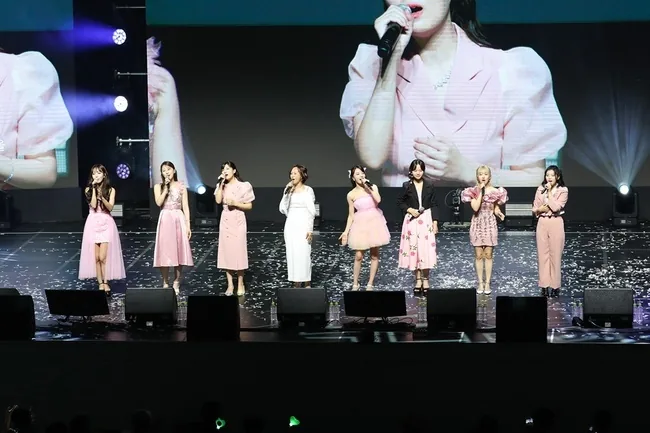
On the afternoon of August 31, 2024, Busan KBS Hall held an unusual tension before the show. With Seoul’s heat still present, this was received not as merely a regional date but as a key point completing the first solo tour’s flow. Seats filled quickly, showing before it began that the team had firmly reached Busan.
The title “2024 Trot Girls Japan 1st Concert — Come Back to Busan Port” naturally fitted the city. Where Seoul demonstrated a solo concert’s possibilities, Busan was a stage confirming regional expansion. A team of Japanese audition-program singers successfully presenting solo shows in two major Korean cities was itself worth recording.
The tour’s rhythm completed in Busan after Seoul
Planned in continuity with Seoul, the atmosphere did not repeat. Audience reactions and room air created another rhythm, with Busan responding actively early and more clearly as it continued.
The team was not confined to one region or broadcast audience. Seoul’s enthusiasm continued naturally, showing that the tour format worked. A sellout meant more than numbers: television recognition was clearly becoming actual concert attendance.
Selections connecting Korean and Japanese feeling
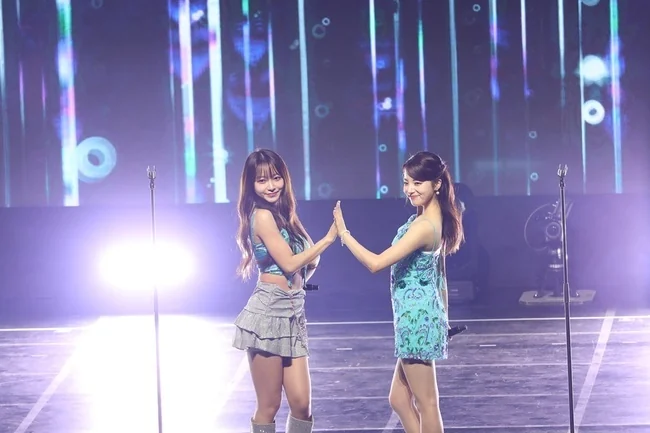
Variety justified calling it a global music festival. Centering favorites from Korea–Japan King of Singers and Korea–Japan Top Ten Show, it linked classics from both countries. “Come Back to Busan Port,” “Aoi Sangoshou,” “Yuki no Hana” and “Sumire” seemed less a hit list than choices aimed precisely at shared emotional meeting points.
Rather than emphasize one side, it drew common feeling. J-pop lyricism, enka depth and Korean trot’s direct emotion flowed naturally, making it more than a genre-fan gathering: a space of empathy through music itself.
Team timing and balance
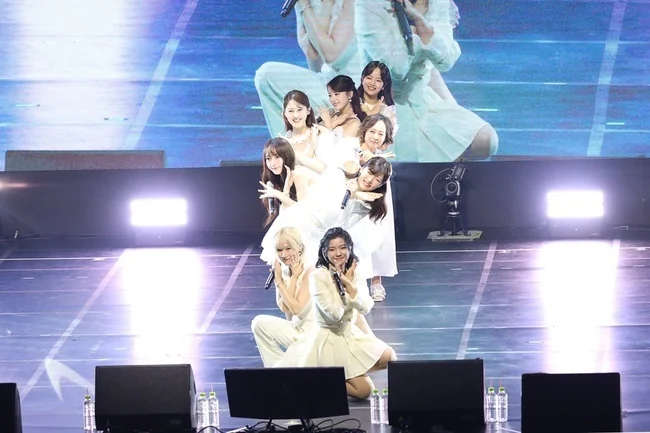
All members appeared, including MIRAI FUKUDA, RIE UTAGOKORO, Aki Azuma, MAKOTO., AIKO SUMIDA, natsuco and MIYU. Beyond individual skill, they emphasized shared timing and balance.
Distinct timbres and personalities increased density rather than division. Solo and group stages alternated without breaking the flow, continuing like one narrative. Beyond a project team, they were capable of sustaining polish across a full concert.
An emotional moment made clearer in Busan
Late in the show, a surprise audience placard event before the finale left RIE unable to conceal emotion. Her tears were not staging but the result of a relationship formed there.
The performance was less one-way display than an experience made with audiences. Its emotional density showed actual arrival in listeners’ hearts, not simply good preparation.
Connection after the performance
Members saw audiences out with eye contact and greetings. Continuing The Beginning fan meeting’s approach, they showed a wish to share the experience to its end rather than separate stage and floor.
More than kindness, such service extends a show into a relationship, helping explain the group’s rapid fan formation.
Busan within the tour
Successful alone, it meant more in sequence: July’s fan meeting, August 17 Seoul, August 31 Busan and November 17’s Seoul encore formed a record of gradually expanding success.
Consecutive major-city sellouts showed more than one-time interest. Japanese audition singers completing a Korean solo tour offered new possibilities for Korea–Japan popular-cultural exchange.
Possibilities confirmed in Busan
The performance decisively strengthened the first tour’s flow, showing not just a team successful in Seoul but a performance team capable of expansion across Korea.
Applause and cheers filling Busan KBS Hall were the tour’s clearest result, leading naturally into the encore. The first solo tour closed leaving another certainty in Busan.

KANO MIYU changes the mood from afternoon to evening — Hanno Music Festival 2026

KANO MIYU returns to Fukuoka through song — Daikoku Festival 2026
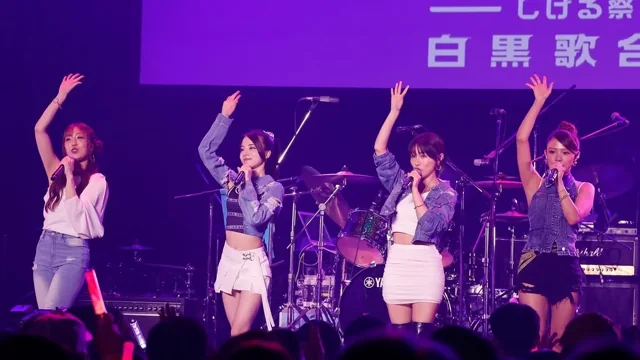
KANO MIYU and SIS at the crossroads of Kuro Fes 2026
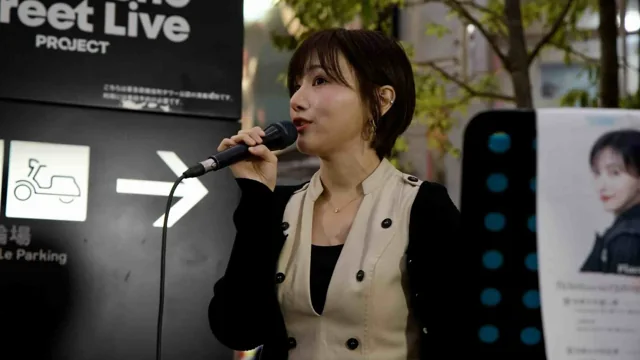
MAKOTO. places her own song among familiar classics — Kabukicho Street Live

MIRAI FUKUDA’s “Motto Sayonara”: two stages shaped by the same new single