REVIEW · Concerts & Live
Trot Girls Japan’s “Come Back to Busan Port” Encore: Why Return to the Stage?
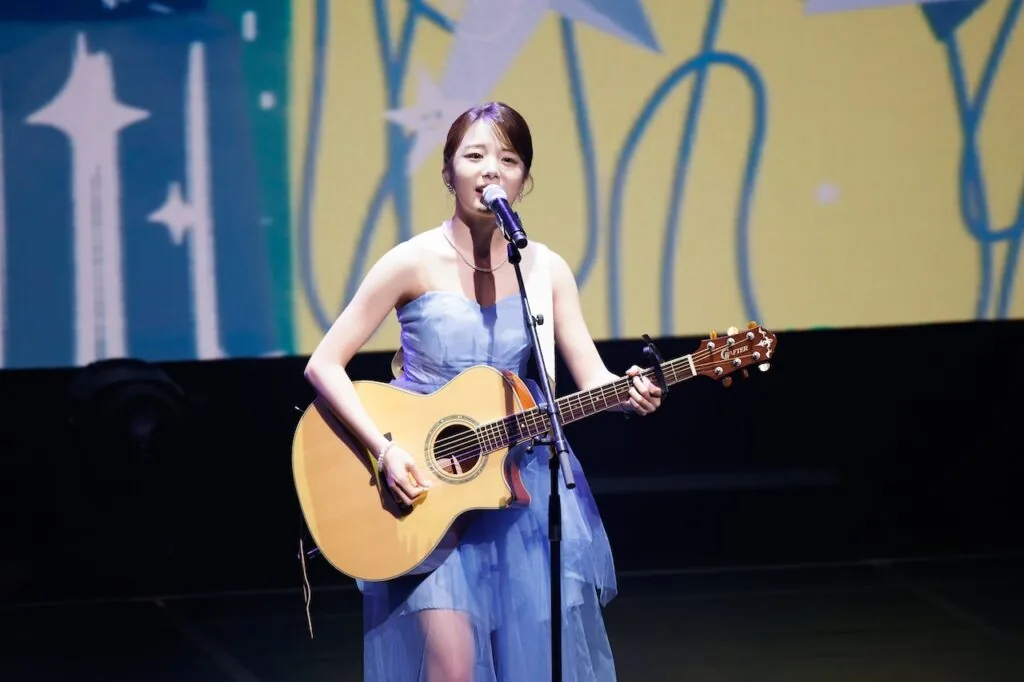
2024 Trot Girls Japan first-concert encore Come Back to Busan Port concludes successfully
On November 17, 2024, Samsung Hall at Seoul’s Ewha Womans University was busy early. Audiences arrived long before the show, with conversations throughout the lobby anticipating its resonance. They expected more than simply seeing a show again. An encore following the first solo concert, it was received as a place to reconfirm and expand feelings and memories already formed.
The title “2024 Trot Girls Japan 1st Concert Encore: Come Back to Busan Port” itself explains its character. Foregrounding “Come Back to Busan Port,” often described as symbolic of Korea–Japan musical exchange, it went beyond reproducing a hit to represent a cultural round trip through music. Japanese members performing Korean trot and Korean listeners naturally accepting and singing along showed it functioning as an event beyond a concert alone.
A team’s identity across genres
The team does not merely reproduce one genre. Members from a Japanese audition program center trot while moving naturally through enka and J-pop. That color became clearer here. Beyond “a Japanese team singing Korean trot well,” there was notable accomplishment in a hybrid-genre performance.
Selections consciously narrowed generational gaps. Familiar melodies reassured older listeners, while younger audiences found the “newtro” appeal of old styles felt anew. Staging emphasized singing and shared breath over spectacular devices, with careful adjustment preserving balance. It suggested consideration of a sustainable performance format rather than a one-off project.
KANO MIYU completing the balance
MIYU stood at the center of attention, but strengthened the whole stage rather than disturbing its balance. Her attitude showed less excessive display than the stability of knowing her place within the team.
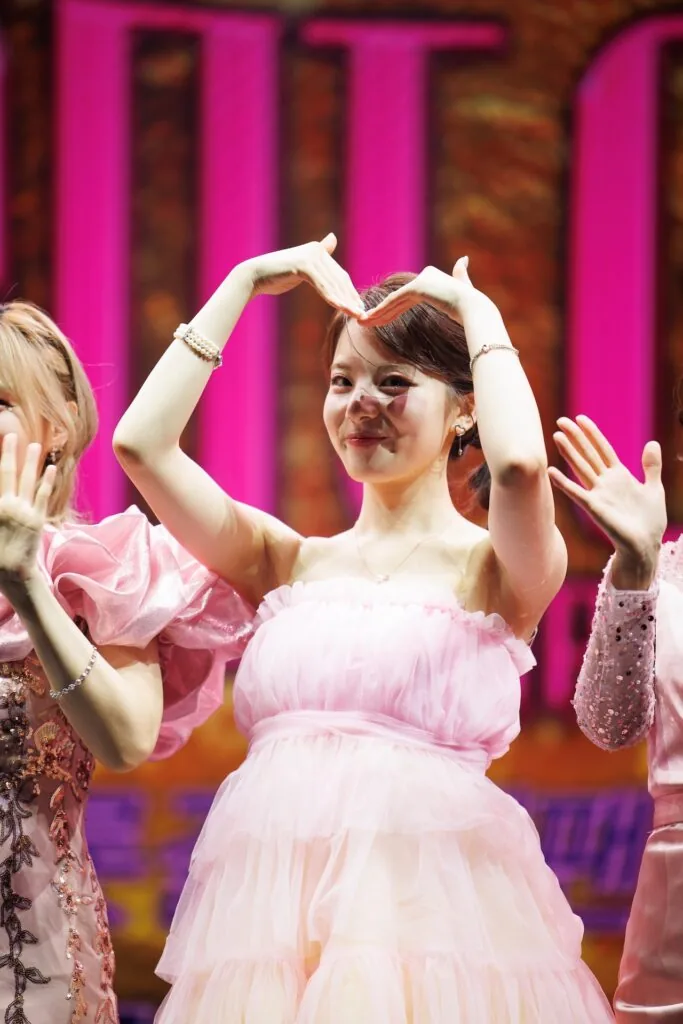
Her timbre is clear and ordered. Expressing trot’s feelings without leaning too heavily on past methods felt fresh to Korean listeners. She added refined texture to the group harmony, making the performance lighter and more contemporary. Responses from millennial and Generation Z listeners were striking: her newtro sensibility naturally suggested that trot belongs to more than one generation.
Two performances, one flow
The 3 p.m. and 7 p.m. shows filled quickly and received immediate responses. Applause and cheers became natural as songs continued; audience singing filled some passages. This felt less staged than the result of trust already formed between performers and listeners.

Sold-out Interpark ticketing also demonstrated the phenomenon numerically. Beyond curiosity or one-time interest, there was an audience willing to return. Having previous concertgoers revisit an encore was particularly meaningful. It suggested not just success but the possibility of sustainability.
The symbolism of “Come Back to Busan Port”
The title song and central message worked as a symbol through the whole show, beyond repertoire. Holding memories and feelings long shared in both countries, Japanese members singing it and Korean audiences receiving it showed directly how music works across borders.
Importantly, it did not proclaim reconciliation or exchange. Within the ordinary cultural experience of a show, it quietly created empathy. That was its greatest virtue.
A stage showing current popular-cultural cooperation
Beyond one concert, it showed a facet of ongoing Korea–Japan cooperation. Without grand messages, natural connection between stage and room made the idea of music without borders tangible.
The team has only just passed its first steps, yet the encore sent a clear signal: artists with different languages and backgrounds can build empathy on one stage, and that empathy may sustain repeat performances. Applause and shared singing suggested more than fandom: a cultural current was forming.
Its resonance naturally invites anticipation of the next activities. That expectation itself shows the performance successfully becoming a lasting record.

KANO MIYU changes the mood from afternoon to evening — Hanno Music Festival 2026

KANO MIYU returns to Fukuoka through song — Daikoku Festival 2026
KANO MIYU and SIS at the crossroads of Kuro Fes 2026
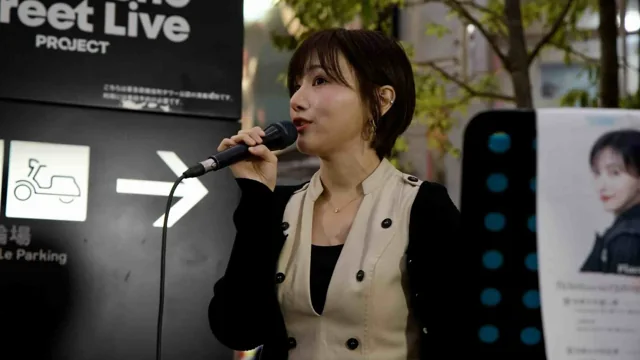
MAKOTO. places her own song among familiar classics — Kabukicho Street Live

MIRAI FUKUDA’s “Motto Sayonara”: two stages shaped by the same new single