FEATURE · 기획
Nobuaki Okamoto: Connecting Songs and Audiences from Beside the Stage
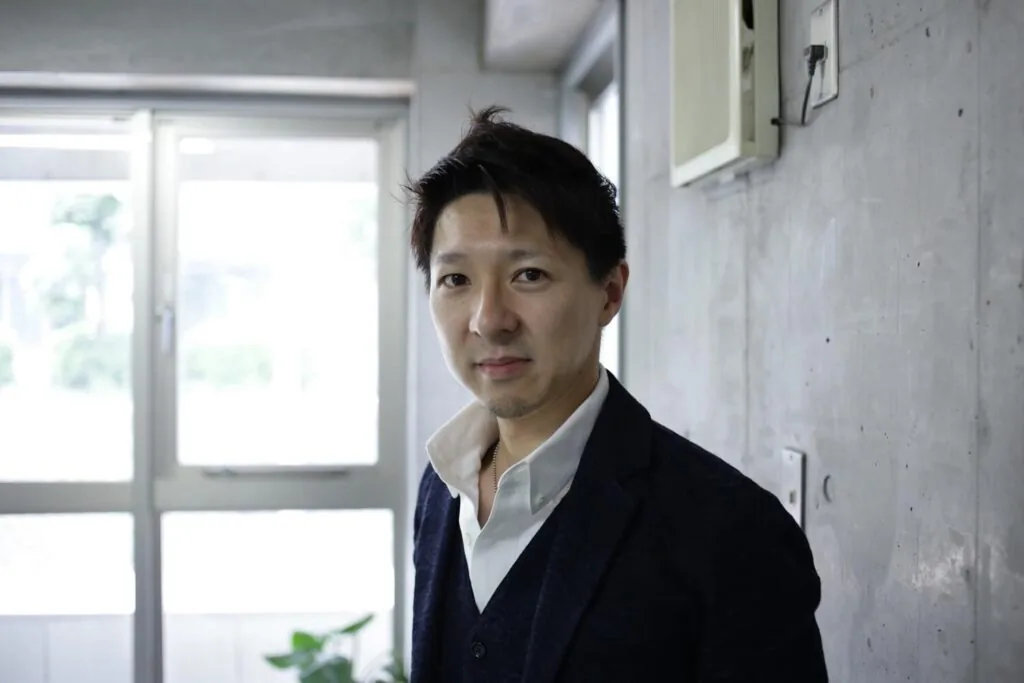
Singing a song and creating a place where it can be heard are different kinds of work. What makes OFFICE WALKER’s Nobuaki Okamoto an interesting figure is that he has occupied both positions. He played drums in a band, promoted music at a record company and later moved into artist management. The key to understanding his place beside the stage lies less in his title as company president than in his experience of moving between those roles.
A 2016 SPICE interview traces that journey in detail. After playing in a band in Nagoya, he continued performing while working for a furniture company after university. He left the job when his band signed with an agency, but when that contract ended, he gave up trying to make his living onstage. He subsequently saw a job advertisement and applied to Nippon Crown. Rather than leaving music, he changed the work he did within it.
Finding places for songs to reach people
His record-company experience was not confined to one genre. He recalled organizing in-store enka events in Nagoya, then selling CDs at rock-band concerts. After moving to Tokyo, he handled publicity for NIGHTMARE. Having been in a band himself did not mean he immediately understood every other band. It took time spent working alongside them to learn how they approached their music.
What stands out in the interview is his search for ways to bring music to people. When familiar media offered few openings, he looked for other points of contact. Promoting a record meant considering not only which stage an artist would appear on, but where people who did not yet know the singer might encounter their name and music. Standing beside musicians also meant sharing these practical questions.
Programming a show audiences want to watch to the end
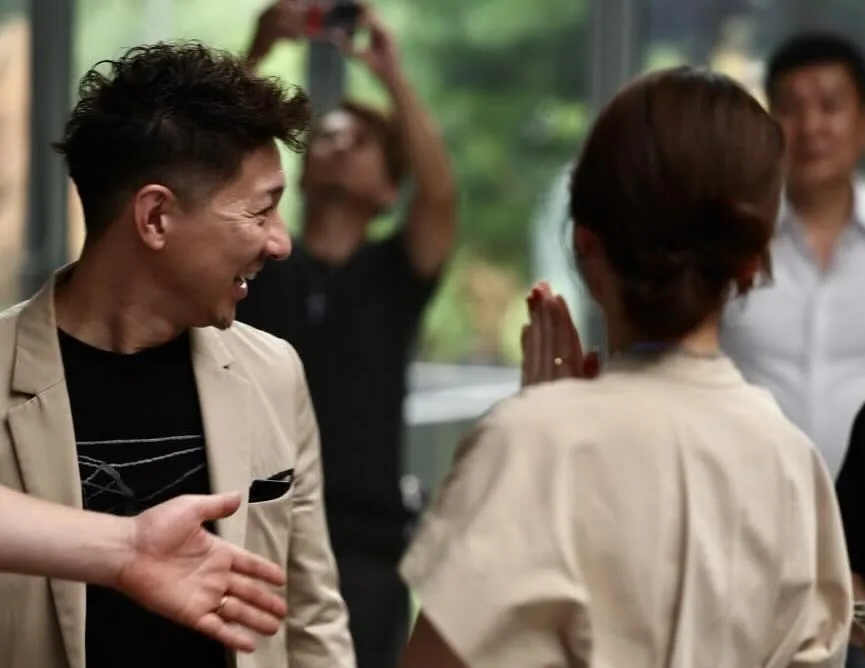
Kuro Fes is one example of those ideas taking shape as an event. In the same interview, Okamoto described planning the festival to mark Shigeru Matsuzaki’s 45th anniversary in entertainment. Somewhere between a music festival and a television variety show, he wanted to create a place where audiences could hear familiar faces sing in front of them. The question was less how to assemble famous names than what audiences would actually encounter in performance.
His examples were practical rather than abstract. Instead of giving every act the same amount of stage time, he assigned different roles to different performances; some appearances consisted of a single song everyone knew. He explained that he wanted people to watch from beginning to end. This does not make his approach a universal answer for every festival. What is clear is that his imagined audience experience became a concrete running schedule through the allocation of time.
Introducing musicians and arranging a show’s running order meet at this point. Some performers can leave a powerful impression with one song; other sets need longer. The same lineup can feel different depending on what audiences see first and what they are left anticipating. Beyond a poster listing performers’ names lies the work of considering how audiences will actually spend their time.
Artist management often brings schedules and contracts to mind first. Yet these examples also reveal the work of designing encounters between music and listeners. Preparing good music does not automatically create a place for people to hear it for the first time. Someone also has to decide who appears when and how audiences will be drawn toward the next performance.
The conversations behind being there in person
Okamoto said, in essence, that understanding what people think and want requires speaking face to face. For him, attending an event meant more than checking that a show went ahead as scheduled. It included listening to what musicians wanted to do and considering what they could work on together. The work of those behind the stage does not disappear when the performance begins; it remains embedded in the time spent preparing it.
That attitude is difficult to measure simply by how often a company president appears at venues. People can spend a long time in the same place without having the conversation they need, while a brief meeting can produce words that change the next project. What lingers in Okamoto’s recollections is his interest in the people he works with, rather than the distance implied by his title. Set his presence at performances beside the conversations he described, and the idea of staying close to the action becomes a little more concrete.
There is always something to negotiate between what musicians want and what audiences take from a performance. Sometimes an artist wants to spend longer on new songs; at other times, familiar material may be the best first offering to newcomers. When management joins that conversation, the stage is shaped by more than one person’s instincts. Okamoto’s experience as both a performer and a record promoter can be read as time spent confronting that question from different positions. Following the work he actually did brings him into sharper focus than reducing it to an innate personality trait.
A relationship that shares the numbers, too
In the interview, he explained that he shared figures such as fan-club membership, merchandise sales and audience spending with artists, whether the results were good or bad. His position was that conversation should extend beyond emotional encouragement. Applause onstage exists alongside the practical realities of preparing the next show. Even after a warm reception, the conditions needed to sustain an artist’s activities still require a separate discussion.
Listening to musicians’ wishes and showing them the results of their work are connected tasks. A desired performance brings questions about the time, people and money needed to prepare it. Here, numbers are not a substitute verdict on the music; they are material for discussing what comes next. The management described in Okamoto’s interview resembles that kind of conversation: listening to the person who will take the stage and examining together what will allow that stage to continue.
Following his career reveals that the boundary between onstage and offstage is less simple than it appears. Time spent playing drums, selling records and discussing future schedules with musicians forms one continuous history. Becoming a company president does not erase those experiences. After a performance ends, someone remains near the stage, considering how the next song might reach its listeners.
Further reading
Judging the work through commitment: OFFICE WALKER president Nobuaki Okamoto →