REVIEW · Broadcast & Video
Miyu Kanou moves from wanting to be a singer to standing before an audience
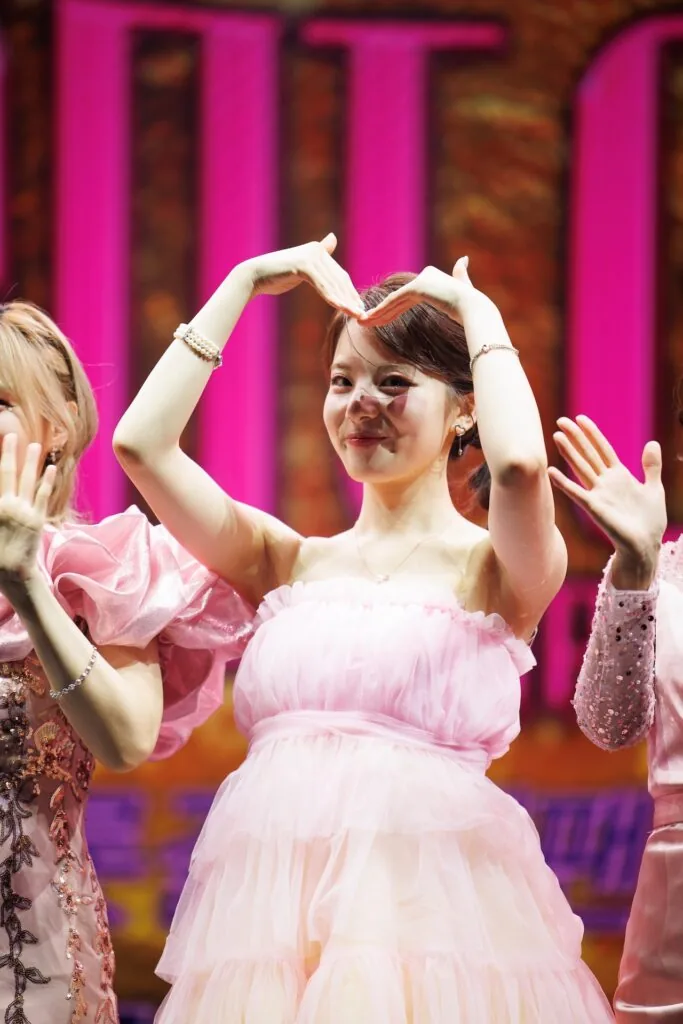
The turning point Miyu Kanou recalled in her 2024 Den interview was an audience’s cheering rather than a competition result. Performing Younha’s “Password 486,” she saw Korean fans directly before her for the first time and heard a large response from the opening. Someone who wanted to become a singer recognized herself already standing before listeners. The weight of the conversation lies in Miyu’s own account of that distinction.
Published on October 26, 2024, the video places her amid work between Japan and Korea; she also introduced Atlantis Kitsune and sis. This is less a success story told after an overseas chapter has closed than a reflection during continuing activity. Language difficulties, help on set and objects made by fans occupy the same period.

Korea was not the destination of a complete original plan
Miyu says she decided to become a singer after watching Hannah Montana at eight. The character’s coexistence of ordinary life and performance offered an image to admire. A longstanding dream, however, did not remove doubts about continuing. She recalls questioning her direction and future as a singer around the time she applied to Trot Girls Japan.
She also says she did not apply already knowing the competition would lead to a contest with Korea. She learned about that prospect after the event was underway. The recollection makes her Korean activity more than the execution of a plan completed long before. One chosen audition led toward an unanticipated next stage. Her gratitude sounds closer to looking back at that connection than to certainty that had foreseen everything.
When cheering made an old screen image present
Recalling “Password 486,” Miyu also describes worries about facing Korean spectators for the first time. The contest between countries made her wonder whether the audience would respond competitively. Instead, she recalls strong cheering from the beginning. The impression of a trembling venue is her own description of its sound. The difference between that initial concern and the response received left the scene vivid.
She says it overlapped with a scene from the Hannah Montana she had watched as a child. An admired screen image connected with a stage occupied by her own body. She links the experience with a resolve to sing and perform throughout her life. Particularly telling is her distinction between wondering whether she could become a singer and thinking she was already a singer who should make people happy. The question moves from her possibility toward what she can give an audience.
Support remaining as objects and people
The encounter did not end with one cheer. Miyu describes handmade support towels at concerts in Seoul and Busan and learning about a fan community through her manager. She also remembers receiving a T-shirt bearing her face. These objects turn the abstraction of support into actions someone spent time preparing. She discovered people making things and discussing what to do for her beyond the stage.
Near the end, what Miyu says she enjoys is herself onstage, practice, and moments when the audience’s response returns directly. Wanting to learn more of the language and receiving help in Korean settings remain conditions of that work. Her wish to continue performing in both countries therefore does not close one cheer into a final account of success. It takes the repeatable form of practicing, returning to a stage and meeting listeners again.
Music and production information

KANO MIYU changes the mood from afternoon to evening — Hanno Music Festival 2026

KANO MIYU returns to Fukuoka through song — Daikoku Festival 2026

KANO MIYU and SIS at the crossroads of Kuro Fes 2026

sis in Atami, Part 2: Evening Falls on the Same Stage

sis in Atami, Part 1: Thirty Minutes Between the Sea and Summer Light