REVIEW · Radio & Audio
KANO MIYU’s “Kuroi Shinzou”: The Other Side of Love on Japan’s MBC Music Shot
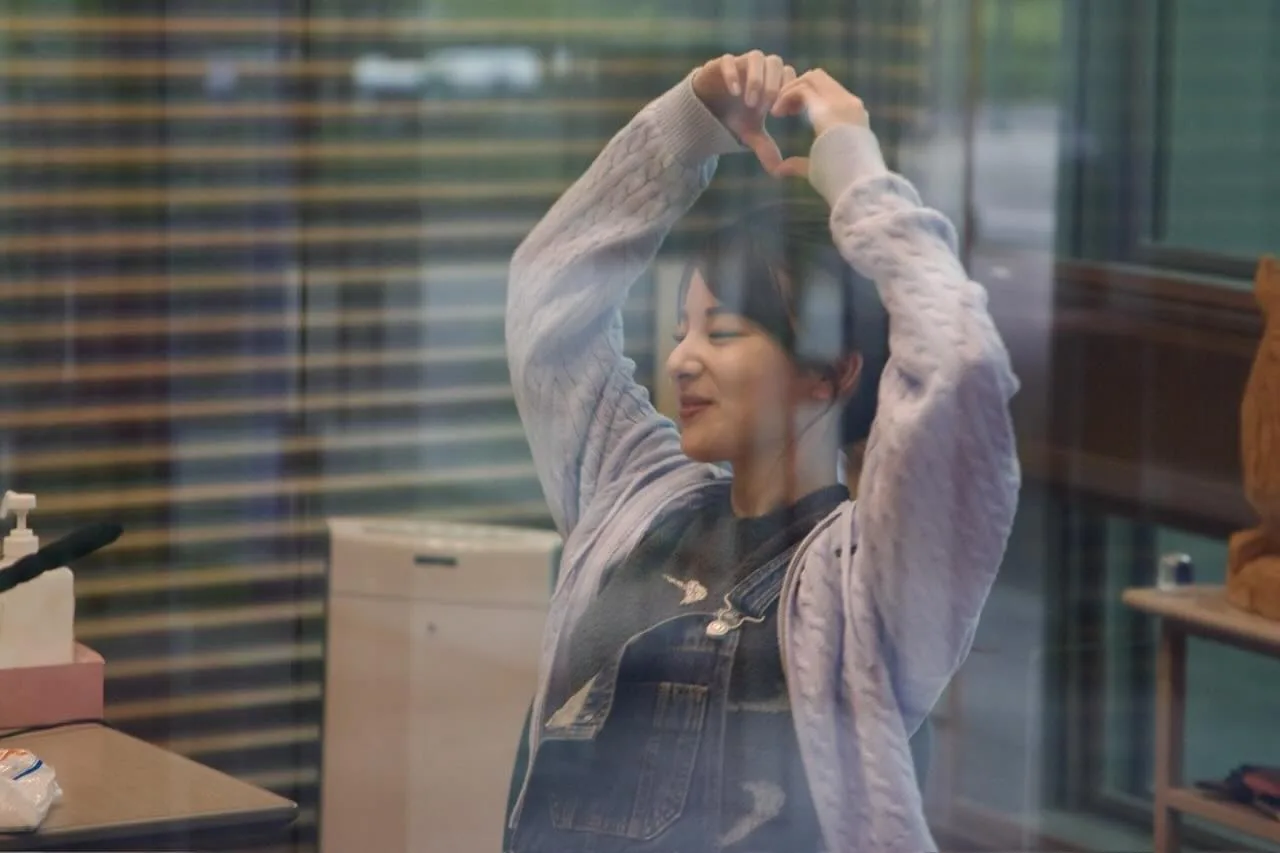
“Love is more than beautiful stories”: speaking about music from her hometown of Fukuoka
KANO MIYU appeared on the August 18, 2026 edition of Japan’s Minaminihon Broadcasting (MBC) radio program Music Shot to discuss her music and writing. The program introduces independent artists working in or connected with Kyushu and Yamaguchi. Hosting this edition, she began with her signature song “Kuroi Shinzou” and personally explained what led her to create music and the meanings of her work.
At roughly fifteen minutes, the broadcast was brief, but its concentration on music rather than dazzling talk was striking. Beyond introducing recordings, she calmly described lyrical emotions, the creative process and her musical perspective, revealing her singer-songwriter side. Introducing younger Fukuoka artists also naturally expressed the program’s support for its regional scene.
Where her earlier LOVE FM show centered on updates and communication with fans, Music Shot emphasized presenting her music as a musician. It was not long, but revealed her thinking as a writer and how special Fukuoka remains to her.
Returning to musical stories from her hometown of Fukuoka
After the first song, she briefly introduced herself for first-time listeners. From Omuta in Fukuoka, she had worked mainly around Hakata and Tenjin through high school and was now a singer-songwriter. Although performing in Korea as well as Japan, she explained that Fukuoka remained her musical starting point.
Perhaps for that reason, the appearance had special meaning for her too. Saying she was very happy to join the program, she welcomed the chance to present her songs again in the region where she began. Recalling the years since childhood street performances with a guitar makes it more than simply another radio appearance.
Fukuoka is more than her hometown. It is where she first performed, sang publicly and nurtured her dream. Although activities expanded through Tokyo to Korea, the broadcast again showed that her musical roots remain there.
First selection, “Kuroi Shinzou”: a signature song about complicated feelings in love
The first song introduced was “Kuroi Shinzou,” included on last year’s album. After playing it, she described it as portraying a somewhat twisted love.
Love songs often suggest happy or beautiful moments, she said, but actual love comprises much more complicated feelings. Not being honest despite liking someone, emptiness that remains after getting what one wants, and emotions difficult even for oneself to understand are also part of love. She wanted to express those aspects in a song.
Her description of a heart still somehow unsatisfied after obtaining something was an important key. Discussing the human tendency to keep feeling a lack after fulfillment, she used the Japanese word amanojaku. She explained that the lyrics capture contradictory impulses: acting against one’s true feelings or being unable to express affection readily.
The song is therefore more than a simple romance. Rather than beautifying love, it looks directly at real anxiety, fixation and lack. Its forceful title can likewise be seen as a means of symbolizing those emotions.
“Love is more than beautiful stories”
The most striking part was her perspective on her own music. She said she did not think love consisted only of beautiful stories. Affection contains jealousy, anxiety, desire and regret alongside joy. Expressing those realistic feelings honestly, she explained, was her music.
This also answered why she chose the title. Rather than seeking provocation, it resulted from expressing dark emotions everyone carries inside.
Brief as the explanation was, it again revealed a songwriter observing human feelings and psychology and translating them into her own language, rather than merely making melodies. For newcomers too, the song would have felt like a representative explanation of the artist.
Music Shot introduces Fukuoka indie music and connects regional artists
After her signature song, the program returned to its core purpose by introducing artists working in Fukuoka.
Music Shot introduces independent artists active in or connected with Kyushu and Yamaguchi. Its defining feature is creating another stage for musicians steadily working locally rather than highlighting only one singer.
She likewise moved beyond her own music to introduce younger musicians. Naturally linking her activities and the regional scene, she presented from a local musician’s perspective rather than merely as a guest, an impressive aspect of the broadcast.
Although recent work has broadened across Korea and Japan, here she seemed to emphasize Fukuoka’s musical character more than nationwide activities. It also showed her continuing affection for the scene where she began.
Introducing Fukuoka quartet Aitaito: a challenge toward Zepp Fukuoka
The first regional artist introduced was Aitaito (アイタイト), a four-member idol group based in Fukuoka.
After playing their song, she explained that they were currently aiming for a Zepp Fukuoka show through a tour of local live houses. A White Camellia show was scheduled for September, she added, followed by plans for performances at a different venue every month.
Working step by step toward a large venue is a familiar growth process in Japanese regional idol culture. Repeated meetings with fans and experience in small live houses make the progression itself a project.
She directed listeners to official social accounts for schedules and details and asked for interest and support. Introducing developing local artists as naturally as her own songs clearly expressed the program’s character.
Why the broadcast went beyond her own music
Listening makes it easy to sense that this was not simply an appearance to promote her activities.
It began with her signature recording but naturally handed the conversation to Fukuoka artists. Her own development through street performances and small stages likely enabled that approach.
She said early on that she worked musically in Fukuoka through high school. Despite now crossing between countries, having built experience locally to reach her present position seems to have helped her empathize with younger regional musicians.
Though brief, a structure combining her music and younger artists naturally created the atmosphere of a regional music show.
“A time to encounter new music”
Near the end, she again explained that the program continues introducing independent artists from Kyushu and Yamaguchi.
She directed listeners to its official X account, formerly Twitter, for details and closed by inviting anticipation of the next week’s musicians.
Her closing remarks were short, but the direction was clear: introduce listeners to new music and create opportunities for local artists to meet more people. She emphasized that role again.
Fifteen minutes presenting her music and the local scene
Overall, the fifteen minutes presented her musical world alongside Fukuoka’s scene. The first half used “Kuroi Shinzou” to explore complicated love and her songwriting; the second introduced younger Fukuoka artists and supported regional music.
It also differed meaningfully from LOVE FM’s Kanou SAY. Focusing on music rather than daily life or updates, she directly explained creative intentions and lyrical feelings, making her singer-songwriter identity clearer.
Presenting her work again from her hometown was important too. In the region where she began on the street, she now held the microphone as a presenter introducing a signature song and supporting younger musicians, naturally recalling the years she had traveled.
Brief as it was, Music Shot let her greet listeners through her music while introducing new local faces. Beyond promoting one recording, it deserves to be remembered as an edition revealing her roots as a songwriter and a Fukuoka musician.
Related sources
Related event footage
Related event footage from Diego’s channel.
View all videos · 1

KANO MIYU changes the mood from afternoon to evening — Hanno Music Festival 2026

KANO MIYU returns to Fukuoka through song — Daikoku Festival 2026

KANO MIYU and SIS at the crossroads of Kuro Fes 2026

sis in Atami, Part 2: Evening Falls on the Same Stage

sis in Atami, Part 1: Thirty Minutes Between the Sea and Summer Light