REVIEW · Festivals
SIS find their centre in four songs — Yokohama Tanabata 2026
At Rinko Park, SIS placed DIVER and Michishirube between Aoi Sangosho and Ai no Battery. Photographs and event footage revisit a twenty-minute summer set.
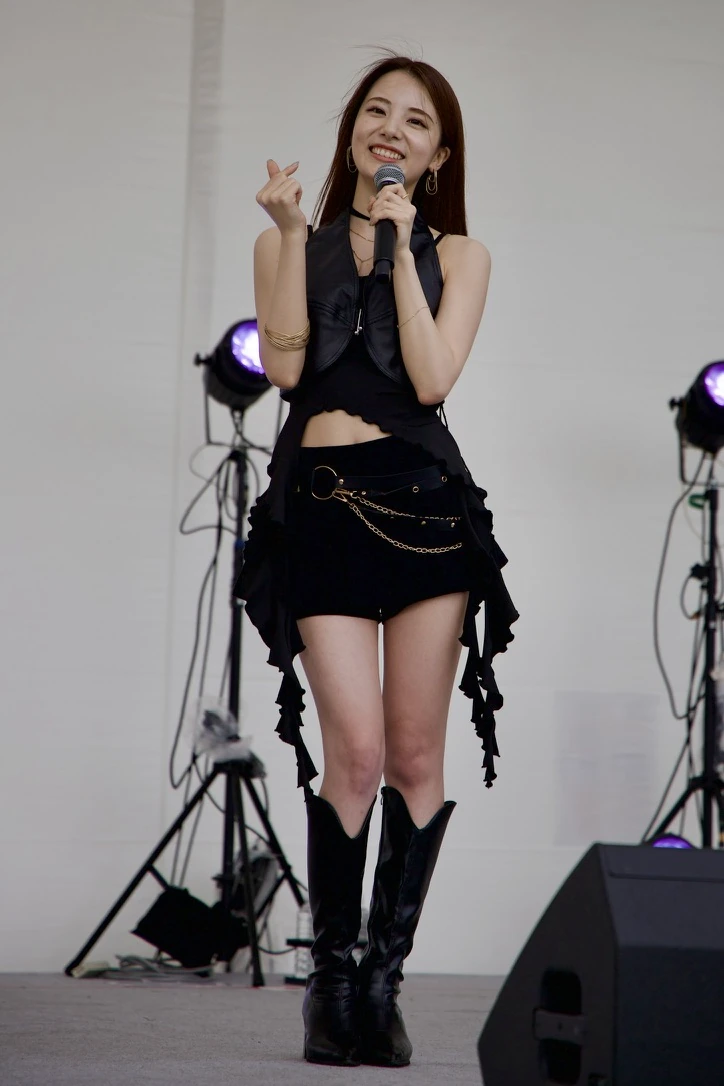
SIS chose four songs for their stage in a park beside the sea. A familiar Japanese pop song opened the set, two originals occupied its middle, and a song connected to the group’s beginnings closed it. At Yokohama Tanabata on July 4, 2026, the short programme offered a clear picture of where the group was placing its emphasis.
Performance order
- 青い珊瑚礁▶ Watch video
- DIVER▶ Watch video
- ミチシルベ▶ Watch video
- 愛のバッテリー▶ Watch video
At Rinko Park, the exchange began before the set
The announced slot ran from 2:10 to 2:30 p.m. This was a festival with several acts sharing a stage: as people watching one group moved away, fans waiting for the next filled the seats. Different audiences passed through the same space over the afternoon.
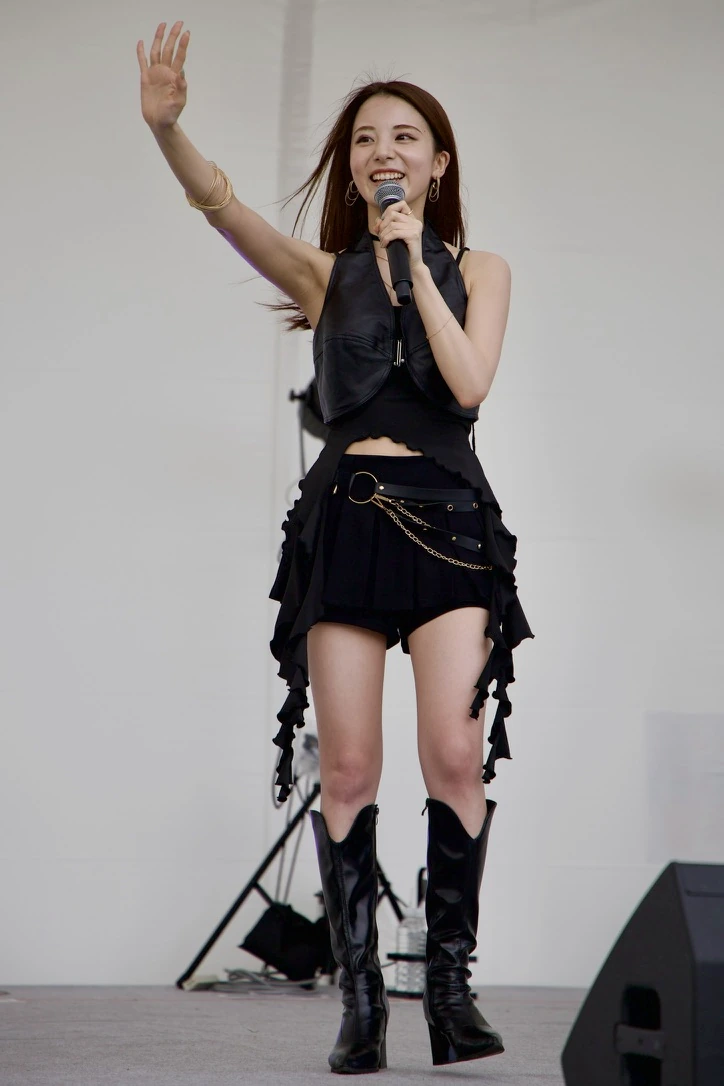
Around 2 p.m., SIS appeared in coordinated black outfits for their rehearsal. The sound and movement checks were not sealed off from the audience. Between preparations, members waved and briefly responded to the fans they noticed. The exchange between stage and seats had begun before the performance itself.
From Aoi Sangosho to a change of direction with DIVER
“Aoi Sangosho” provided a welcoming entrance suited to a summer festival. A melody people already knew could draw in listeners meeting SIS for the first time. What stood out was the decision to put the original song “DIVER” immediately after that opening.
In “DIVER,” choreography worked with the song’s progression to create a different impression from the cover that preceded it. The coordinated black costumes gained a clearer purpose here too. Having introduced themselves through familiar music, the group moved straight to a song of their own that they wanted the audience to hear now.
KANO MIYU · DIVER
Footage of SIS, filmed with a focus on KANO MIYU.
Diego Watch on YouTube ↗
Two originals at the centre of the programme
“Michishirube” came third. After the movement of “DIVER,” its position invited a little more attention to words and voices. The originals did different jobs, and the contrast gave the short programme room to breathe.
Two of the four songs were originals. That proportion mattered. SIS retained the ability to approach an audience through covers while placing their own music at the heart of the set. The running order conveyed a shift in the group’s repertoire without needing a long spoken explanation.
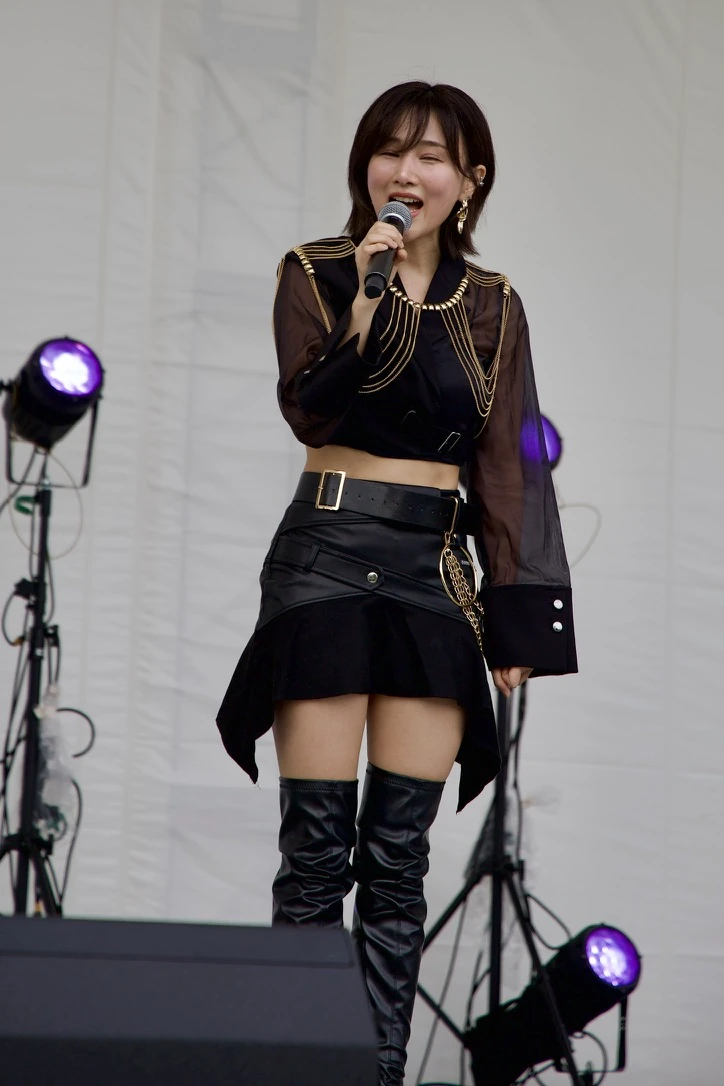
KANO MIYU · ミチシルベ
Footage of SIS, filmed with a focus on KANO MIYU.
Diego Watch on YouTube ↗
A final song, followed by a little more conversation
“Ai no Battery” closed the set in Japanese, bringing the programme back to a bright, familiar tune. The two established songs at either end—“Aoi Sangosho” and “Ai no Battery”—also gave support to the originals placed between them.
A short conversation with the MC followed the music. Members who had been working through the choreography responded to the presenter and to one another, showing expressions outside the songs. The memory of these twenty minutes rests on more than a list of four titles: it also includes the small exchanges with the audience before and after the music.

Related event footage
Footage of SIS, filmed with a focus on KANO MIYU.