REVIEW · Release Events
Rie Utagokoro’s Voice at the Fountain Square — Kawasaki, Part One
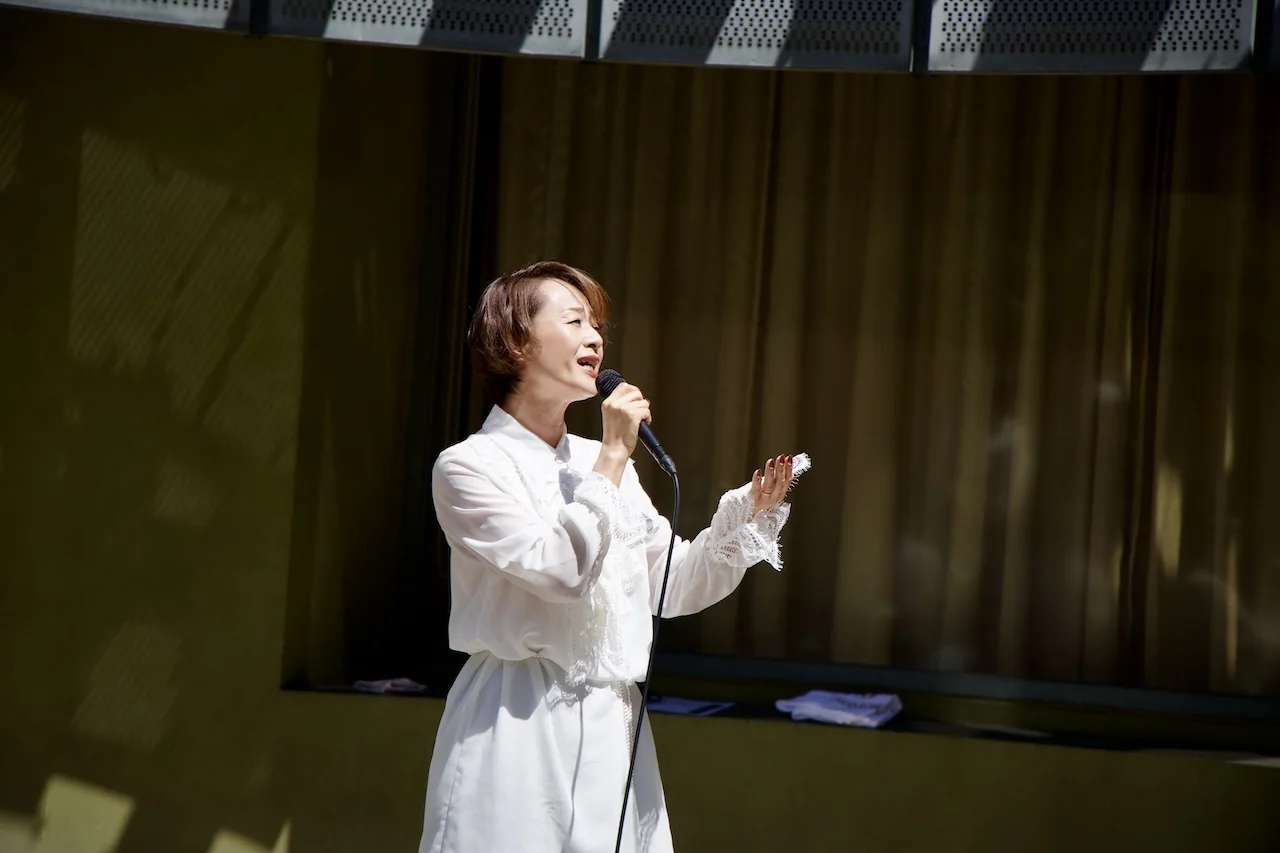
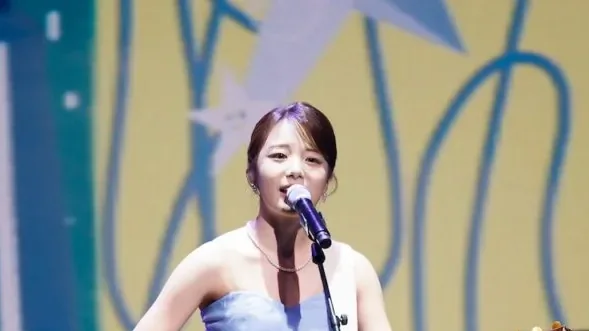
The closing song covered in this Kawasaki part-one report
Selected repertoire · Not in performance order
- しあわせのまわり道▶ Watch video
The first session took place at the fountain square on May 17, 2026, followed by direct exchanges with fans at an autograph session.
On May 17, 2026, Rie Utagokoro performed a mini concert at LA CITTADELLA’s Fountain Square in Kawasaki, Kanagawa. The event was divided into a 1:30 p.m. first session and a 4 p.m. second session, with overseas visitors joining the Japanese fans in the audience.
Rather than a large concert-hall production, it was a mini concert built around a close connection with listeners. An autograph benefit session afterward offered time for direct interaction with fans.
An outdoor mini concert at LA CITTADELLA’s Fountain Square
The venue was the fountain square inside LA CITTADELLA. Near Kawasaki Station, this cultural and commercial complex combines shops, restaurants and performance spaces and is one of the area’s local destinations.
The stepped layout made the stage relatively easy to see from almost any position. Unlike a flat venue, it provided natural changes in height, giving spectators at the back a view without major obstruction.
Admission began at 1:15 p.m. CD purchasers received numbered priority entry, allowing them into the central area first. Those without numbers could also watch from fairly close range on either side.
Because of the steps, the practical viewing experience did not differ greatly by position. Central and side areas were distinguished, but overall the layout allowed relatively comfortable views throughout.
Attention from rehearsal onward, with a no-filming notice
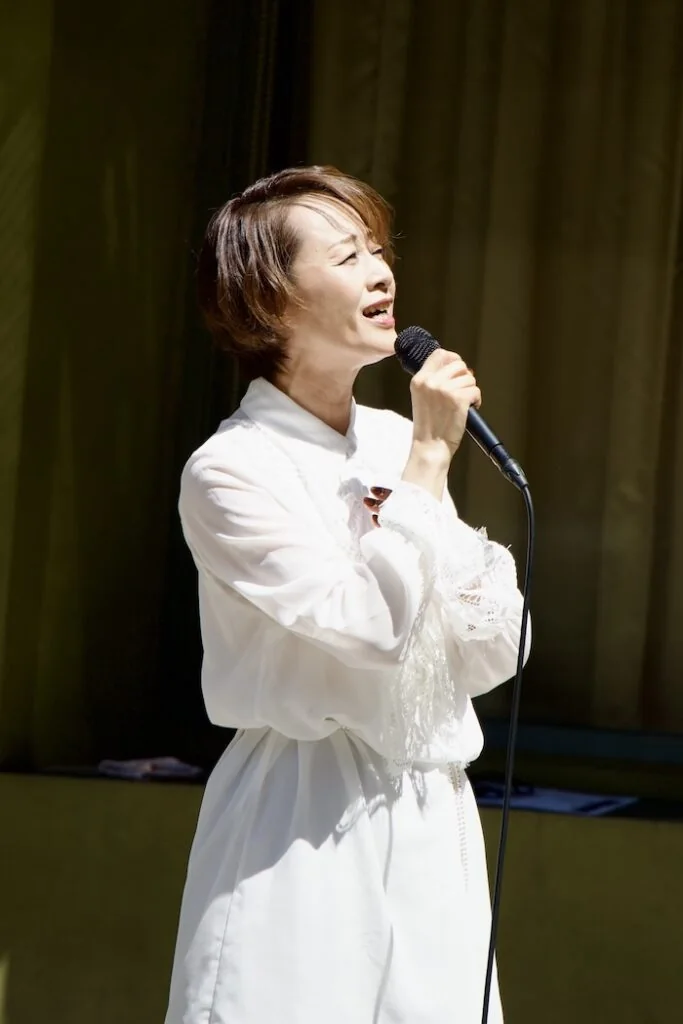
Rie held a brief rehearsal before the main set. Audience attention was already gathering around the stage at that point.
Photography and video were also announced as prohibited. Although no clear notice was initially apparent, staff later walked around holding no-filming signs and informed the audience.
Photography restrictions are fairly common at Japanese mini concerts and in-store events. A frequent arrangement prohibits filming throughout except for a designated song; here, too, recording was restricted during most of the performance.
Conversations developed naturally among Japanese fans. Visitors who had traveled from overseas attracted interest as well. With Rie’s activities strongly associated with Japan, people found it noteworthy that overseas fans had come in person to a mini concert.
A 1:30 p.m. start, with Japanese songs at the center
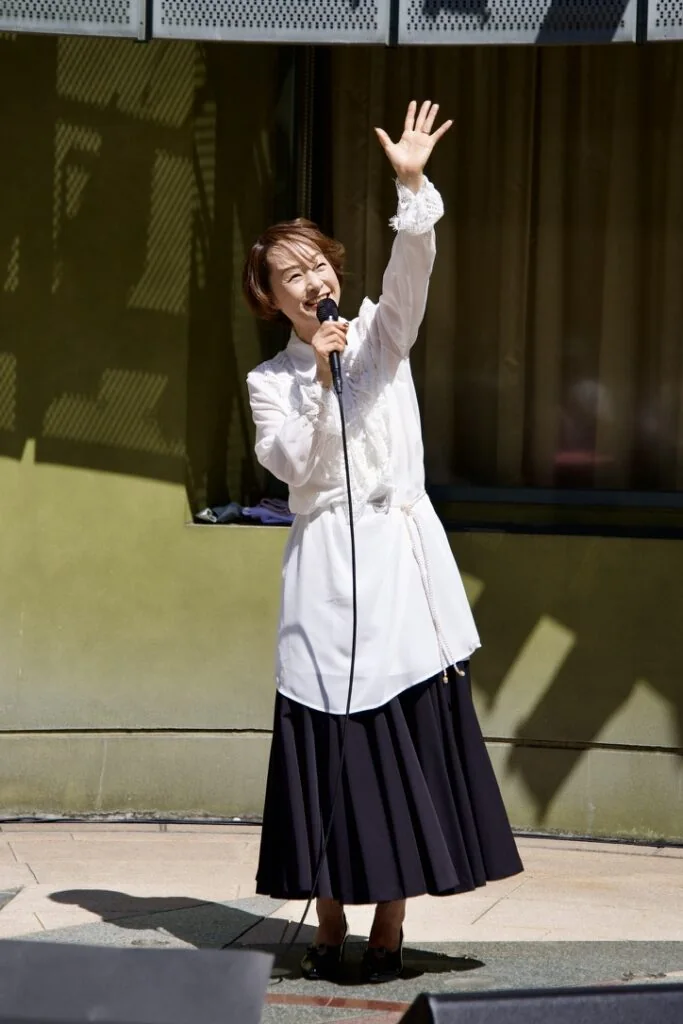
The first session began at 1:30 p.m. Its selection centered on Japanese songs, maintaining a strong focus on vocals throughout.
Known for emphasizing emotional phrasing, Rie delivered delicate expression and a steady live performance. The emphasis was on the songs rather than large-scale spectacle, with the intimacy characteristic of a mini concert.
The setting also differed from an ordinary live-music club. In an outdoor space connected to a shopping complex, not only existing fans but passing visitors naturally turned to watch.
The overall atmosphere was quiet and attentive. A restrained listening culture familiar from Japanese mini concerts took shape, with applause and cheers following each song.
Filming permitted for “Shiawase no Mawarimichi”
While recording was restricted during most songs, photographs and video were allowed for the final number, “Shiawase no Mawarimichi.” Its warmth and gentle mood echoed the title’s image of a detour toward happiness, and it was received as a fitting closer.
The audience’s behavior changed slightly once filming was allowed. Phones came out as listeners recorded the performance and preserved their time at the venue.
With recording often restricted at Japanese concerts, being able to film the last song carried meaning for fans. The audience visibly enjoyed that number in a somewhat freer atmosphere.
Autographs after the show: brief but direct exchanges
An autograph benefit session followed the concert. It was open to visitors who bought CDs at the venue, with signatures placed on specially prepared autograph boards.
It offered more than a signature: audiences could also speak briefly with the artist. The newly released UTA and KOKORO were sold in standard CD and CD/DVD editions. The DVDs were described as including concert footage.
The atmosphere felt less like merchandise sales than a chance to meet fans immediately after a performance. In a short time, visitors shared impressions and greetings in an easy exchange.
The response to overseas visitors was memorable. Japanese fans expressed surprise that someone had traveled specifically from Korea for the performance, and conversation developed naturally among listeners.
Rie herself also appeared surprised by the overseas visit and expressed thanks. With overseas attendance still relatively limited for activities centered on mini concerts, the response seemed natural.
A performance defined by the intimacy of a mini concert
The fountain-square show revealed Rie’s strengths in a different way from a major concert. Rather than relying on visual spectacle or forceful production, she delivered vocals and feeling at close range, fitting naturally into the openness of the outdoor space.
The clear sightlines provided by the stepped venue and the square’s atmosphere also helped concentration. Together they created a setting distinct from an ordinary live-music club.
The autograph session extended the occasion beyond simply watching a performance, naturally narrowing the distance between artist and audience.
Although modest in scale, Rie’s LA CITTADELLA mini concert left a particular impression through its combination of performance and direct exchanges with fans.
The other session that day
Related sources
Related event footage
Reference footage of Utagokoro Rie’s release events from Diego’s channel. The recording venue is identified separately in the video context.
View all videos · 1
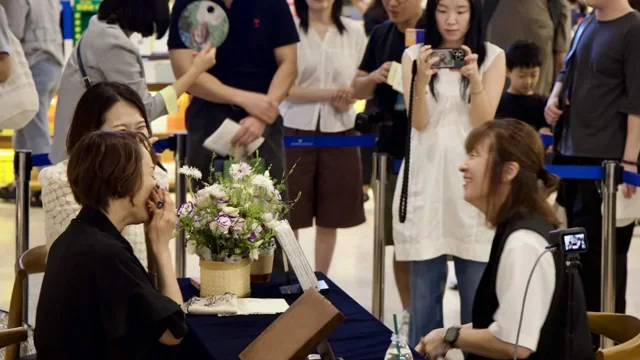
RIE UTAGOKORO’s first essay collection: a book signing for “I’ll Always Sing of Love”
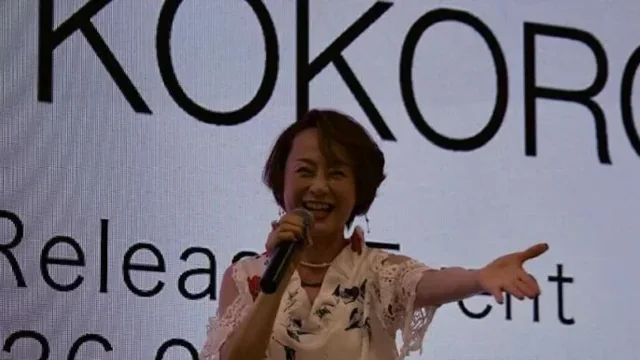
Rie Utagokoro’s UTA and KOKORO Release Event in Makuhari
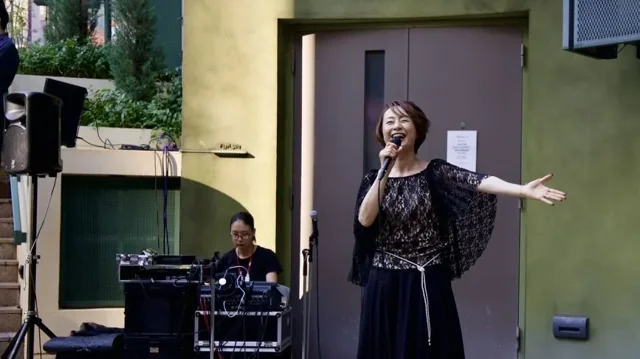
Rie Utagokoro: Time Together After the Songs — Kawasaki, Part Two
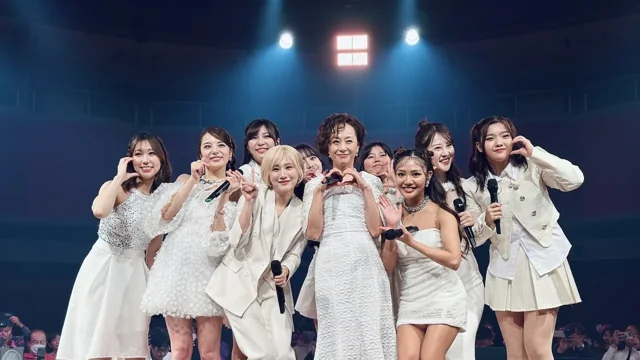
Trot Girls Japan’s First Japanese Concert: From Television to the Stage
Trot Girls Japan’s “Come Back to Busan Port” Encore: Why Return to the Stage?