REVIEW · Concerts & Live
sis at Kameido Clock: A Familiar Mini Concert in a Changed Setting

Kameido mini-concert repertoire
Selected repertoire · Not in performance order
- I am in the mood for dancing
- Ai no Battery
- DING DONG Kudasai
- I can’t stop the loneliness
- Smile for me
- Eomji Cheok
A sis mini concert at Kameido Clock
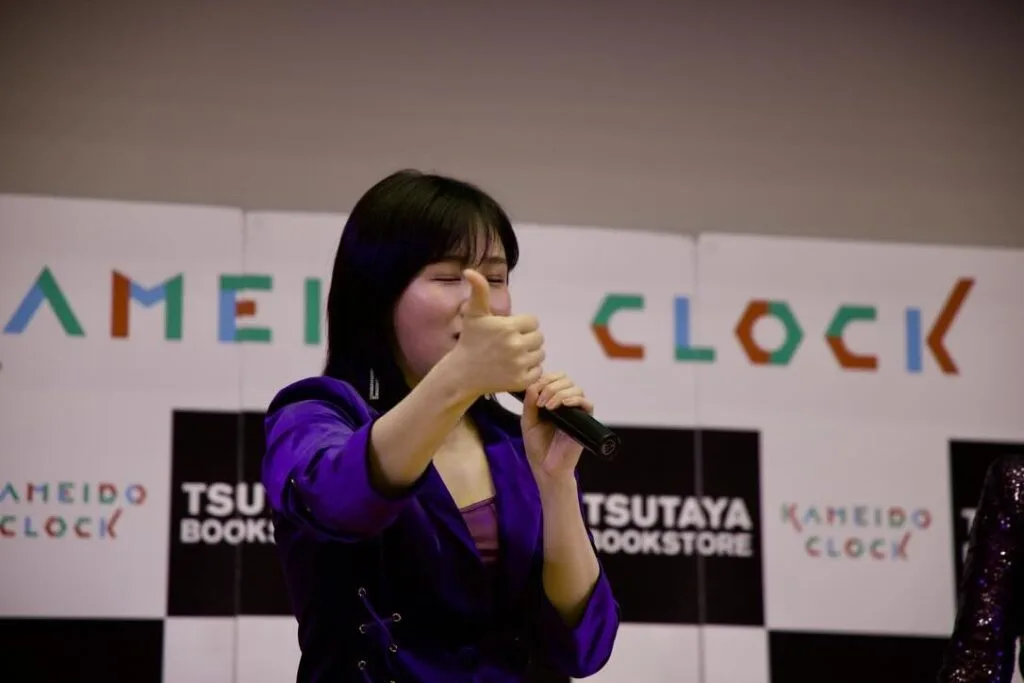
Girl group sis (SIS/T) held a mini concert and fan benefit event at Kameido Clock, a shopping complex in Tokyo’s Koto ward. The small stage inside the mall combined live performance with fan activities.
Used by local residents and visitors, the complex includes shopping and cultural-event spaces. Idol groups, local artists and brand promotions appear there, and sis has performed on several previous occasions.
The return followed a show at the same location late the previous year, with existing fans and general visitors watching together.
From seats to an all-standing layout
The biggest change was the viewing arrangement. Previously, seats occupied the front with standing space behind; this time the chairs were removed and the whole area became standing.
More people could stand near the stage, filling the front in admission order. It appeared to be an adjustment to use the limited space more efficiently.
The change also seemed to reduce the distance from performers. Fans watched from closer positions, and the atmosphere felt more concentrated than before.
Merchandise sales and priority numbers before the show
With the performance scheduled for 6:30 p.m., sales opened an hour earlier at 5:30. Purchasers received random priority-entry numbers and entered in that order.
Instant photographs were the main merchandise, sold in packages containing member photos. Purchasers could also participate in the benefit session afterward.
Common at Japanese idol events, the arrangement connects merchandise sales with admission management. Fans buy in support and gain a chance of earlier entry. Random numbers made the purchase itself another event; some visitors considered additional purchases after checking their number.
Admission begins 15 minutes before the set
Where earlier shows had admitted audiences 30 minutes before starting, this one opened at 6:15 p.m., 15 minutes before. It appeared to streamline the schedule.
Visitors entered in numerical order, with early numbers securing the front before others followed orderly. The shorter window reduced waiting but also shortened time spent together at the venue before the show. Overall, the process looked more efficient.
An open rehearsal before the main set
After admission, members appeared in stage outfits to check sound and movement. Audiences could watch a brief rehearsal before the formal performance.
Though short, it added something for fans: a relaxed view different from the official set and a build-up of anticipation. At 6:30, members returned for the main show, appearing in the order RIHOKO TARA, KANO MIYU, MAKOTO. and AI ASAHI.
Purple anniversary outfits welcome back familiar memories
The members wore purple outfits, described as those used at the group’s first-anniversary concert.
For existing fans, they recalled an earlier stage; for newcomers, they provided a visual introduction to the concept. The purple tones fitted the lighting and created unity.
Costume is one element in a performance’s overall finish. Here, the choice also seemed to help organize its atmosphere.
Signature songs meet a new cover
The selection was central. Though short, the set did not simply line up familiar material; it showed the group’s current identity and possible direction. It welcomed returning fans while introducing its appeal to newcomers, pairing the reliability of favorites with a fresh cover and changing choices.
“I am in the mood for dancing” opened the show. Its lively rhythm and bright mood suited the start, quickly raising the temperature. Members used broad movement immediately, and listeners focused from the first phrase. A familiar melody gave newcomers an easy entry and regular fans a clear signal that the show had begun.

Next came “Ai no Battery,” long favored in the group’s shows. Bright and lively, it offers many points for interaction and works well live. It reliably carried energy between members and listeners, with repeated familiarity producing pleasure rather than boredom.
“DING DONG Kudasai” made the mood lighter and more animated. Matching the playful impression of its title, it created an easy moment of enjoyment. Expressions, gestures and movement came alive, and the crowd appeared to relax further as it began.
“I can’t stop the loneliness” brought a different emotional texture. Among brighter songs, its deeper feeling balanced the set, adjusting the pace and avoiding a single tone. Vocal expression became more direct, showing that the group could deliver more than cheerful material.
A highlight was the debut of the cover “Smile for me.” New to existing fans, it signaled an expanding repertoire. Introducing a song means more than increasing a count: it suggests an image and a direction. Its bright, positive feeling brought fresh air between favorites, renewing attention and prompting anticipation about future choices.
“Eomji Cheok” also stood out. Previously discussed after Korean broadcasts and the Tokushima show, it returned to the Tokyo selection. Beyond covering a foreign song, it suggested wider activities, offering familiarity to Korean fans and novelty to Japanese listeners. Repeated appearances across locations indicated a developing repertoire rather than a one-off event.
The set combined stability and expansion. A bright opener led through familiar favorites, “Smile for me” introduced change, and “Eomji Cheok” suggested broader reach. A short performance held both identity and change in progress.
Most importantly, the songs formed a sequence rather than isolated items. Opening brightness, favorites, shifts in mood, emotional phrasing, a new cover and an overseas selection created an arc. That helped the mini concert feel brief but substantial.
The selection was more than a list: it condensed what sis is now and where it is going. Familiarity built trust, while new attempts left expectations.

Photographs allowed, video restricted
Video recording was restricted while photography was permitted, an arrangement often seen at recent Japanese live events.
Audiences could preserve moments as photographs, while the video restriction encouraged attention to the live experience. Shutters sounded around the room as fans captured their chosen scenes.
The benefit session afterward
After the show, instant-photo purchasers joined a session where members signed photographs and exchanged brief conversations.
Such sessions are an important direct meeting point after Japanese idol performances. Even briefly, fans can make eye contact, speak and extend the concert’s afterglow.
Fans received signatures from members in turn and talked briefly. Individual approaches differed, but the overall atmosphere was relaxed.
A concentrated experience in a small setting
Different from a major concert, the small event nevertheless linked sales, admission, performance and benefits into a single, concentrated experience.
The mall’s open stage let passersby encounter the music naturally, while existing fans could connect with the members at close range.
Through favorites, a new cover and direct exchanges afterward, sis presented its current direction. The short evening appearance left a clear impression on those who came.
Related sources

KANO MIYU changes the mood from afternoon to evening — Hanno Music Festival 2026

KANO MIYU returns to Fukuoka through song — Daikoku Festival 2026
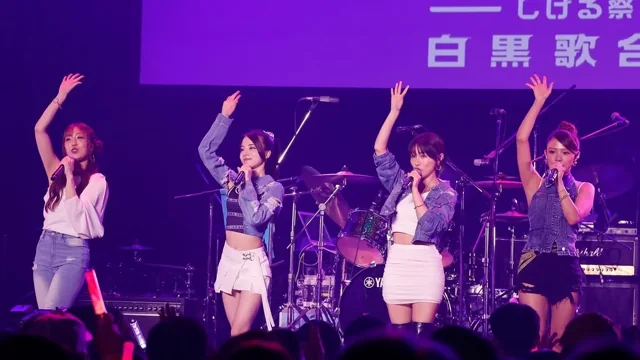
KANO MIYU and SIS at the crossroads of Kuro Fes 2026
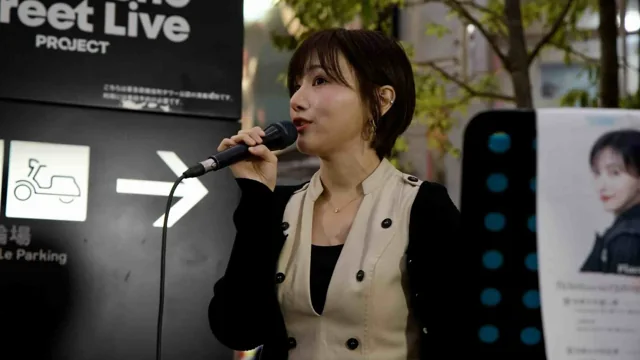
MAKOTO. places her own song among familiar classics — Kabukicho Street Live

sis in Atami, Part 2: Evening Falls on the Same Stage