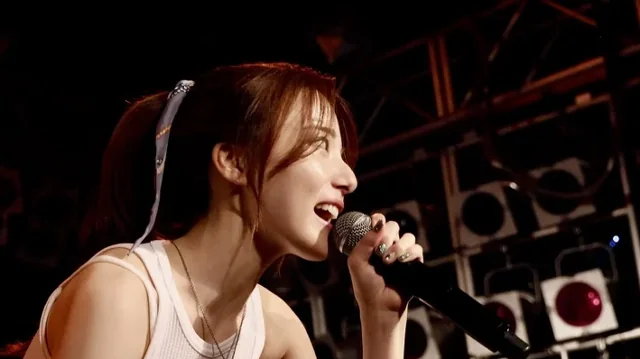
REVIEW · Radio & Audio
KANO MIYU on home and fans, one afternoon — RKB Toi toi toi
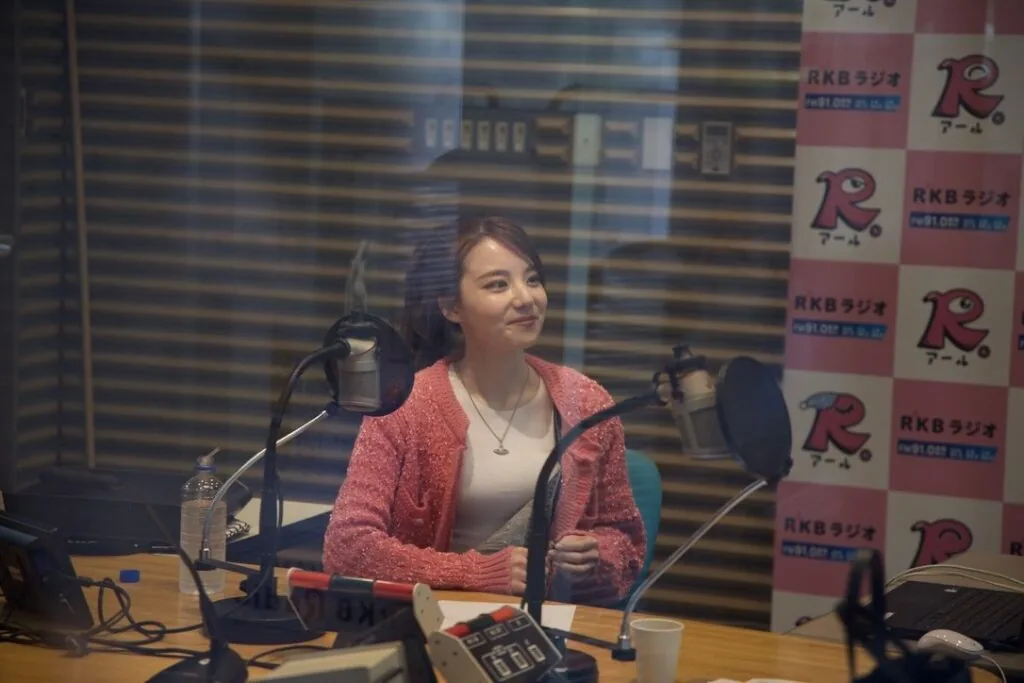
KANO MIYU appeared on RKB Radio’s “Toi toi toi” around 1 p.m. on April 7, 2026, discussing her busy Fukuoka schedule, special exchanges with Korean fans and the live performance planned that evening at Hakata Station. With baseball coverage changing the schedule, the broadcast welcomed a special guest in place of its regular segment, putting her at the center.
The appearance stood out because it went beyond promoting an event. Within a short time, it naturally showed her current position, her connections with fans while working between Japan and Korea, and what Fukuoka means to her. Fans holding support goods outside the booth, frank impressions of local food, dialect conversation, short-drama production stories and a live show only hours away all offered a multidimensional picture of one person’s present.
Above all, it felt less like an update from an established success than a record of how a growing artist builds relationships. That made the interview more vivid and more memorable.
A special guest amid baseball scheduling, making her presence felt around 1 p.m.
That day’s “Toi toi toi” began differently from usual. Sports coverage scheduled from 1 p.m. prompted adjustments to the regular format, leading to a special guest visiting the studio. That guest was KANO MIYU, the Fukuoka-born singer-songwriter active in both Japan and Korea.
The host’s bright introduction immediately softened the atmosphere. Her first greeting conveyed familiarity rather than tension, and she addressed listeners in a natural voice. It felt immediate from the outset because it did not resemble a rigid promotional slot. Spontaneous reactions and laughter made the exchange comfortable.
If she draws audiences onstage through concentration and expression, the radio revealed a more everyday, human texture. Her words, laughter and ways of answering showed a different appeal. Such moments may explain radio’s value to artists: voice alone can convey personality and warmth that songs do not fully communicate.
Fans outside the studio bring immediacy through the glass
An early highlight was the presence of fans outside. The host mentioned them and she responded with delight. Fans equipped with hand fans, support goods and gifts made an unusually special scene outside a radio station on a weekday afternoon.
Some had come from Korea. Rather than only sending encouragement online, they had traveled to Japan to share the time and place. She greeted them naturally in Korean, turning the booth from a broadcasting space into a meeting point for Japanese and Korean fandoms.
It was brief but symbolic. “Active in Japan and Korea” is a common phrase in articles, but its practical form is less often visible. Here, Korean fans stood outside a Fukuoka station, a Japanese artist responded in Korean, and Japanese listeners heard it happen. Nationality and language became means of connection rather than barriers.
To understand where her work stands, such scenes may be more revealing than a major stage. Fans travel, the artist responds and the repetition builds a story. Fandom cannot be explained by numbers alone; who actually comes tells us more.
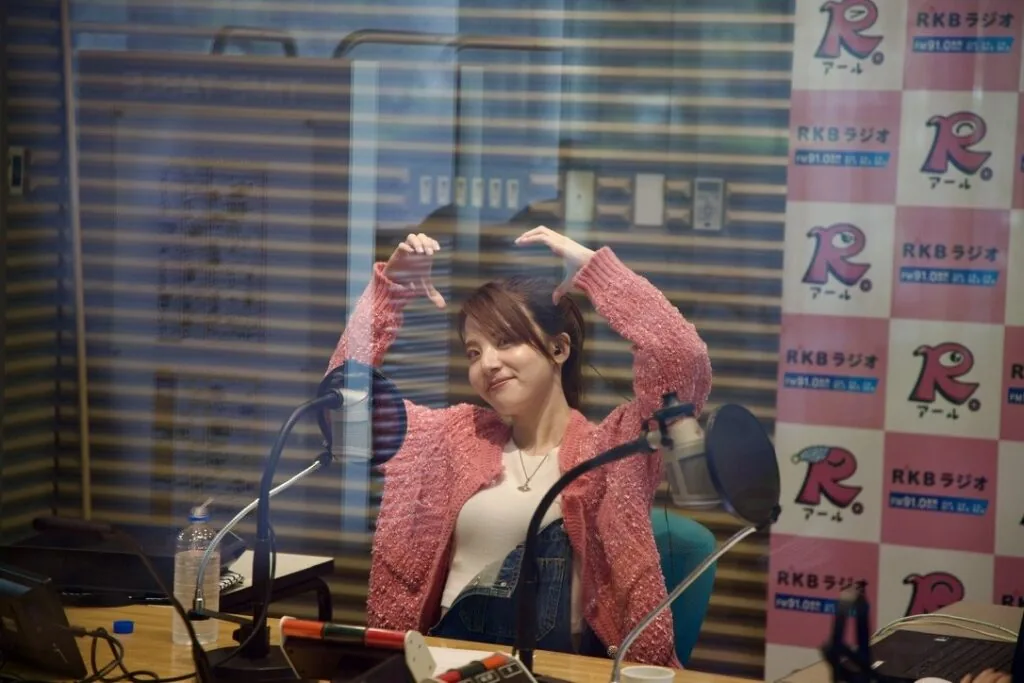
Korean fans’ ways of showing support, as KANO MIYU experiences them
As the broadcast continued, she described Korean fans more specifically. Their reactions are large and direct, she said: not merely applause, but often handmade goods, posters and blankets brought to events.
Especially striking was her account of using a fan-made blanket at home. Laughing, she said it served as a cover over her piano. That detail suggested support extending beyond a gift into an artist’s daily living space.
She also said fans come to performances regardless of location—Tokyo, Fukuoka, Osaka or Nagoya. She recalled them coming along the route when she had several radio appearances in one day. This suggests something beyond the label “enthusiastic fans”: not merely hearing one song, but sharing a day within the atmosphere of the same city.
She clearly registered that culture of support. Fans often ask whether she has eaten, whether she is hungry or whether she is doing well. Worrying about food and condition before results or schedules feels characteristically Korean. Her memory of those details itself suggested a relationship beyond a routine greeting.
Rediscovering Fukuoka: rasomen and a night in Haruyoshi
Food proved an unexpectedly entertaining subject. Although born in Fukuoka, she moved to Tokyo at 18 and had little experience of the local nightlife or dining culture. Growing up on her mother’s cooking meant that many famous local foods were unfamiliar firsthand.
Rasomen was one example. She had heard of it but tried it for the first time on this visit. The chilled noodles and refreshing dipping broth were better than expected, she said frankly. Her admission that she had eaten plenty of carbohydrates despite an upcoming shoot made listeners laugh.
The episode was interesting because she was learning her hometown anew. Being from a place does not mean knowing every side of it. For someone who left young, home overlays remembered places with their present form, making each return new.
She was also impressed by Haruyoshi. Though not much of a drinker, the streets and restaurants made her feel she might want a drink there. The host explained that Haruyoshi and the Watanabe-dori area have recently drawn attention as “Ura-Tenjin,” and she responded with interest.
This was more than restaurant chat. It was someone long based in Tokyo absorbing her hometown like a visitor: familiar yet unfamiliar, unfamiliar yet emotionally close. That was how Fukuoka sounded to her that day.
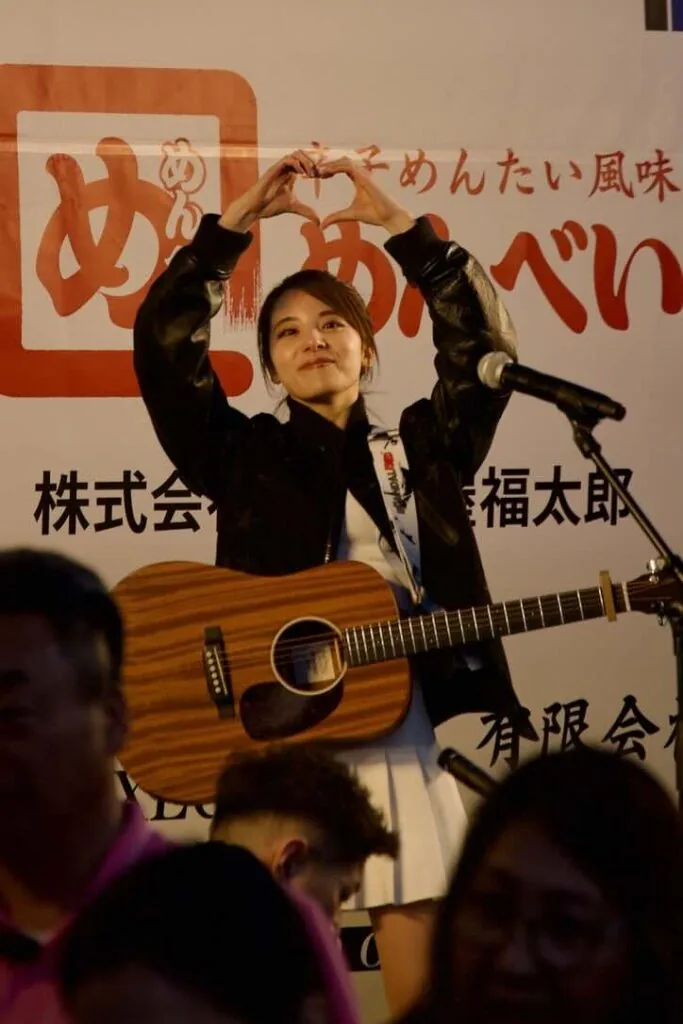
A 6:15 p.m. Hakata Station stage: a day moving from radio to live performance
One direct purpose of the appearance was to announce that evening’s live show. She said she would perform covers and originals at “Lions Sakura Festa” at Hakata Station, with her appearance announced for around 6:15 p.m.
Yet it carried more feeling than a schedule notice. Recalling the breeze and cherry blossoms while walking through Hakata the previous night, she said she looked forward to singing in that atmosphere. The evening scene was already being foreshadowed on daytime radio.
On a spring evening, Hakata Station is busy with commuters, travelers and people heading to appointments. Her voice sounding there carries significance: some come deliberately, while others stop by chance. The strength of such public performances lies in planned and accidental audiences sharing a space.
For listeners, the interview may have felt like an invitation. Hearing a voice and then encountering it onstage only hours later is an uncommon experience. The 1 p.m. conversation felt like a prologue to a day continuing into the evening performance.
Beyond music: expanding into short drama
Her acting work was another notable topic. She said she was appearing in the increasingly popular vertical short-drama format and had just finished filming for RKB’s “Mentai Film,” including a shoot the previous day.
She played a radio personality. Since the character resembled her actual situation, sitting in a radio booth giving an interview, she found it easy to inhabit the role. She added that there were singing scenes, raising anticipation.
This mattered because “singer” alone no longer describes all her work. Singing onstage, appearing on radio and acting in drama belong to different fields, but connect through expression. The natural way that range is expanding makes her current direction seem healthy.
Acting in Fukuoka itself appeared to carry special feeling. Despite experiences in Tokyo, facing a camera in a setting connected to home must have meant something different. She expressed a sense of having returned, a short phrase containing a great deal of time.
Omuta speech and Hakata speech: keeping the texture of home
Later, the conversation turned to dialect. Asked whether Omuta speech differs from Hakata’s, she said it differs considerably. For example, expressions meaning “really cute” or “really tasty” become “gyan kawaii” or “gyan umai” in Omuta.
Brief as it was, the exchange was memorable. Outsiders may group everything as “Fukuoka dialect,” but language varies by city. Even within a region, vocabulary changes with daily surroundings, generation and the character of the streets.
She laughed that people in Tokyo find these expressions unusual. Keeping regional speech in the capital can be a way of remembering where one came from. Even while working between Japan and Korea, her words retained the warmth of Omuta.
From 1 p.m. radio to the present of a growing artist
Overall, the April 7, 2026 appearance around 1 p.m. on RKB Radio’s “Toi toi toi” offered a rounded view of her present. Work between Japan and Korea, real exchanges with fans, reconnection with Fukuoka, expansion across music and acting, and the coming live show formed one continuous flow.
Most significantly, every topic came back to people. Fans were there and she addressed them directly. She tasted hometown food anew, laughed about dialect and admitted nerves while preparing to perform. Such moments persuade more strongly than a carefully constructed image.
The broadcast therefore felt like more than a guest slot. It naturally showed who she is now, where she is heading and why people support her. The day unfolding from the 1 p.m. booth was one scene in a longer story continuing to Hakata Station that evening.
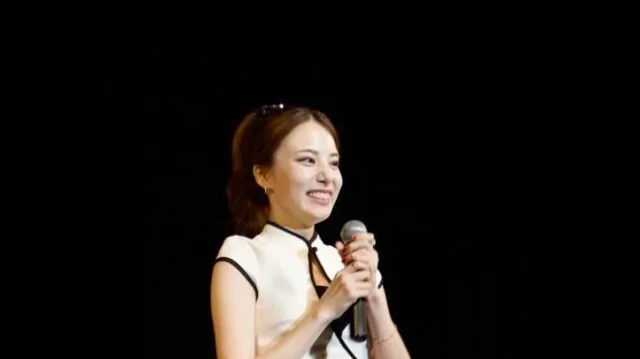
KANO MIYU changes the mood from afternoon to evening — Hanno Music Festival 2026

KANO MIYU returns to Fukuoka through song — Daikoku Festival 2026
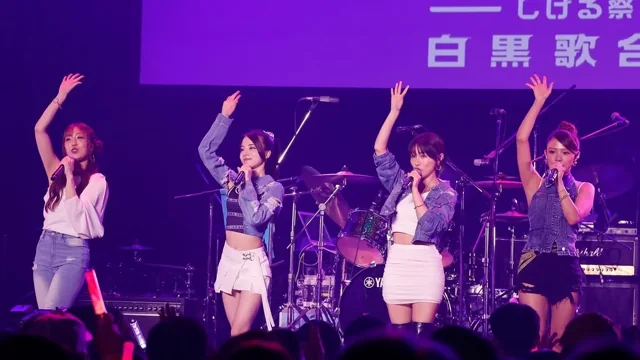
KANO MIYU and SIS at the crossroads of Kuro Fes 2026

sis in Atami, Part 2: Evening Falls on the Same Stage

sis in Atami, Part 1: Thirty Minutes Between the Sea and Summer Light