REVIEW · Radio & Audio
KANO MIYU between music and a photo album — FM FUKUOKA GOW!!
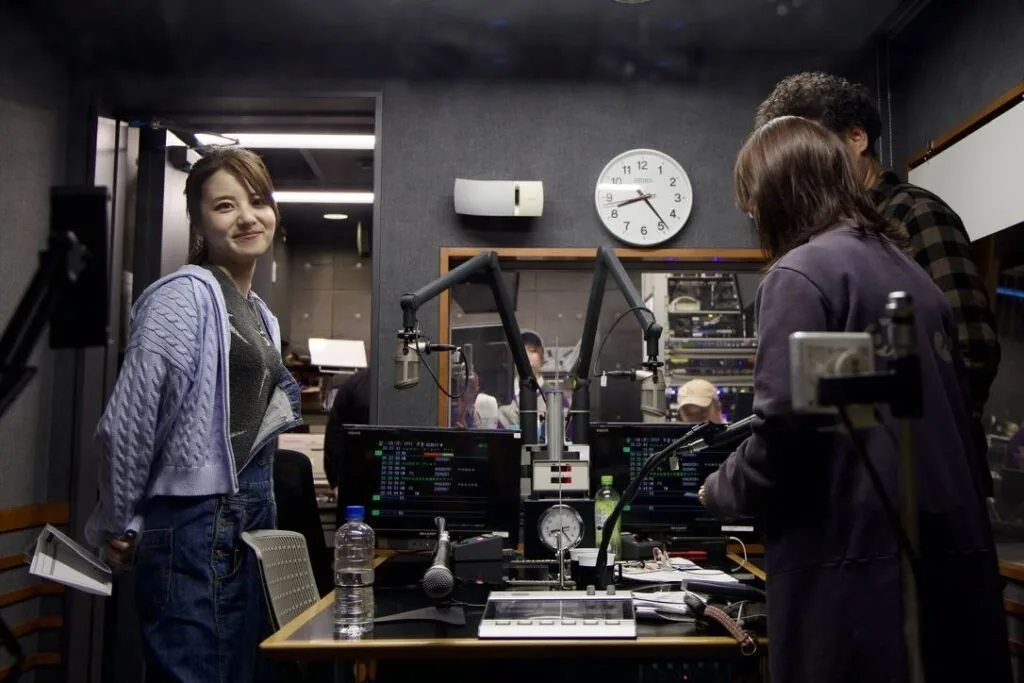
From releasing a song written at ten to Korean and Taiwanese audiences, Fukuoka stages and sis: a concentrated picture of spring 2026
KANO MIYU appeared on FM FUKUOKA’s “Hyper Night Program GOW!!” on the evening of April 6, 2026, discussing her first photo album, “Akiramenaide”; the background of new song “Terminal”; recent acting; growing responses in Korea and Taiwan; and her direction between solo work and sis.
This was more than a guest slot announcing dates. Comfortable conversation with a presenter she had not seen in a while revealed the period she is living through. Having known her for years, he joked that she looked much more grown-up but sounded just the same once she spoke. Her innocent energy answered him, making the program feel more like a vivid report from the present than a promotional interview.
It was particularly meaningful as a renewed assertion of her identity as a solo singer-songwriter. Recent impressions had centered on sis, but this appearance followed her solo music across time: a song written at ten, one at eighteen and the latest “Terminal.” Korean fans’ support, unexpected Taiwanese reactions and affection for Fukuoka stages added further dimensions.
Returning to “GOW!!”: a more mature appearance, the same way of speaking
The broadcast opened with a warm greeting after a long interval. The presenter remarked on her more mature entrance, and she laughed. His observation that her speech remained much the same immediately restored the time shared between them.
That short opening mattered because its feeling underlay the whole broadcast. She has passed through more performances, broadcasts, auditions and overseas work, and her career has expanded. Yet something unmistakably hers remained clear to him. Beyond friendly teasing, it sounded like confirmation that her essential character had not changed.
She laughed that she had put on makeup that day, adding that she normally wears little more than sunscreen. A small exchange, but it showed a different everyday texture from her attention to fashion and image on other programs. She takes styling seriously when needed, while remaining fundamentally unadorned in character.
“I had a shoot today”: a present expanding from music into acting
Acting was among the first updates. Before arriving at the studio, she had been filming a vertical short drama. It had taken all day and would continue the next, prompting the presenter to joke about whether she was now an actress.
She laughed but said acting was genuinely enjoyable. She had worked as a child actor and appeared the previous year in Tetsuya Komuro-produced “Chika Idol no Hoteishiki” (地下アイドルの方程式). This work continued that path, she explained, and returning to acting had reminded her how much fun it could be.
Brief as it seemed, the point mattered: her activities are not limited to music. Advertising, drama and short-form video provide different ways to explore her presence. She also watches short dramas often, finding their brevity engaging and suitable before sleep. She participates as someone who enjoys the format herself, rather than merely following a trend.
That attitude is striking. She responds quickly to platforms and formats without making them obligations performed only because she must. She draws them into areas she actually watches, experiences and finds interesting. Even nonmusical activities therefore do not seem forced extensions.
Korean fans outside and handmade support goods: a scene of Japan–Korea activity
Another early highlight concerned the Korean fans present. She said they had come that day too, and the presenter was surprised by the large towel-like support goods they held outside.
She explained that Korean fans make their own goods: towels, cloths and other creations closer to K-pop support culture than simple printed materials. She even uses such gifts at home, including as a cover for her piano, a small but vivid detail.
The scene suggested her Japan–Korea activity has moved beyond merely having fans in Korea. They do more than comment online: they create goods, travel to Japan and support her in their own ways. Influenced by Korean fandom culture, those practices are establishing themselves around her stage and image.
Interestingly, their messages are often well written in Japanese. The presenter noted it, and she expressed gratitude for their improving language skills. Fans learn Japanese while she learns Korean. That reciprocity, evident on previous broadcasts, appeared clearly here again.
First photo album “Akiramenaide”: both a photo book and a first music album
The central topic was her first photo album, “Akiramenaide” (あきらめないで; don’t give up). The presenter asked whether that meant a photo book, and she explained that the combination was precisely its distinctive point.
The idea came from staff; she herself initially found the format new. It contains photographs from her birthday concert on November 6 of the previous year, sometimes including fans in the frame. Rather than a solo portrait collection, it preserves both stage and audience.
But it does not stop at photographs. She said it was also effectively her first full-fledged music album, bringing together songs performed on television, originals kept over the years and new pieces written since she resumed composing. It was her first substantial collection of her own time through both photographs and music.
That matters because, despite writing songs for years, this was her first time organizing that history into a full album for release. More than a new record, it represents a starting line for reviewing the past and resetting her direction.
“Akiramenaide,” written at ten: how a song she would not release became the title track
The most detailed discussion concerned the title track, “Akiramenaide”. She again explained that it was the first song she wrote at ten. She had never intended it for release in its current way and had thought she might never publish it at all.
Her reasons were candid. The lyrics retain childhood feelings and direct references to school, making her embarrassed to revisit them at her current age. It felt both too old and too raw.
Her agency head made the decisive intervention, encouraging her to release a good song and, importantly, playing a completely new arrangement. Hearing how much it could change surprised her and made release feel possible. A formerly folk-oriented song gained stronger sound and a different texture, connecting it to who she is now.
The process is symbolic. Some songs find their place much later than their creation. Here, honest childhood feelings came alive again through a new arrangement and her current voice.
“School was so difficult then”: childhood feelings become a present message
She spoke frankly of struggling with school around ten. Looking back from kindergarten through high school, school was never easy. Music, singing and lessons, however, felt unmistakably like where she belonged.
Those feelings remain in “Akiramenaide.” What may have been small, private pain at the time now shows that she was already someone who expressed emotion through song. The presenter noted that even a song written at ten connects with the feelings in her singing today.
The observation was apt. Expression changes with age, but core emotional directions often do not. She too said her personality and what she carries have not greatly changed. Her attachment to music, ambition and refusal to let go of what she wants feel continuous with childhood.
What moves is her refusal to reject her past self. She accepts that today’s songs emerged through instability, painful school years and uncertainty about her feelings. “Akiramenaide” is thus not only encouragement to keep going, but a statement that she has made it this far.
From “Hello Tokyo” to “Terminal”: time gathered in one album
The presenter emphasized that the album has more than one color. It includes “Hello Tokyo (HELLO, TOKYO)”, written at eighteen, as well as the newest song, “Terminal”.
The arrangement connects her ten-year-old self, the eighteen-year-old singing of moving to Tokyo and the present artist singing of relationships and travel after the 2023 audition and Korean work from 2024 onward.
More than a collection of songs, it is an archive of her timeline: childhood uncertainty, feelings about Tokyo, a world enlarged by Korean and Taiwanese fans, and her present self. Different times and places gathered together make it a map of how she arrived here.
Why “Terminal” represents KANO MIYU now
Later, she discussed “Terminal” in detail. It is her newest song, closes the album and directly reflects feelings that followed meeting Korean fans.
After the 2023 audition and Korean television work in 2024, her Taiwanese following has grown alongside Korea’s. A Taiwanese YouTube appearance early that year reached one million views in three days, leading to offers from Taiwan. Interestingly, it was closer to a video of her eating than a special music program. That natural presentation nevertheless left a strong impression and generated fresh responses.
She clearly stated her current dream: to become an artist working across Asia. With responses in Korea and Taiwan already becoming numbers and offers, it sounded like a plan underway rather than a distant wish.
“Terminal” best captures that expanded world. She wrote it on an airplane, traveling between Japan and Korea as movement itself became part of life. The title is therefore less simply emotional than a metaphor for a place she frequently occupies now.
After the “gray” years, a brighter present
One memorable moment came as the presenter recalled her earlier self, struggling onward with a guitar in the studio. She laughed that she regarded those days as something of an embarrassing past.
She immediately added, however, that those years made the present possible. At sixteen or seventeen, she said, she had passed through a gray period of not knowing where she stood, feeling both present and absent.
The admission helps explain the whole broadcast. Confidence, a wider range, growing fandom and musical conviction did not emerge suddenly. She had once lacked direction and clarity about what to do; passing through those years made her current bright expression possible.
The presenter noted the visible happiness of standing where she is now. That was no exaggeration: she smiled throughout and spoke fairly freely about past, present and plans. It sounded like greater awareness of her own place.
The next day’s Sakura Festa and sis stages in May and June
There was a clear reason for the April 6 evening appearance: she was scheduled at Fukuoka’s Sakura Festa 2026 the next day. Announcing a 6:15 p.m. performance in front of Hakata Station, she invited local fans to the free show.
The broadcast also introduced not only solo work but sis dates: Shinjuku ReNY in Tokyo on May 5 and a Korean live show on June 7. She described the group as linking Korean trot and popular songs with city pop and vintage repertoire. Its different color lets audiences see contrasting sides of her.
The presenter said recent impressions had centered on sis, but the photo album felt like a major return of KANO MIYU the singer-songwriter. That was apt: the show foregrounded a solo artist with her own history and songs more strongly than a group member.
“A bigger stage with a rock band”: clearer dreams ahead
Later, she stated her dreams fairly clearly. One next goal was a larger venue and building a performance with a rock band, she said.
This was more than ambition detached from the music. The album already points that way: the new arrangement strengthens “Akiramenaide,” while “Terminal” suggests a broader sound than a simple folk number. It sounded like a natural next step in her current musical direction.
What April 6 “GOW!!” leaves behind: spring 2026 as a return to solo identity
Ultimately, the April 6, 2026 FM FUKUOKA “Hyper Night Program GOW!!” appearance clarified her present: acting amid short-drama shoots, Korean fans’ handmade support, accumulated time in her first photo album, “Akiramenaide”; the courage to release a song from ten; unexpected Taiwanese responses; travel and relationships in “Terminal”; movement between solo work and sis; and dreams of bigger stages. The elements connected organically within one broadcast.
Above all, it showed more than an artist simply working hard. She has reached a point where she can review her past, explain her present and describe her future direction fairly clearly.
This “GOW!!” therefore sounded like a statement for her spring 2026. A member of sis, certainly, but back at the center was the artist writing and singing under her own name: KANO MIYU, singer-songwriter.

KANO MIYU changes the mood from afternoon to evening — Hanno Music Festival 2026

KANO MIYU returns to Fukuoka through song — Daikoku Festival 2026
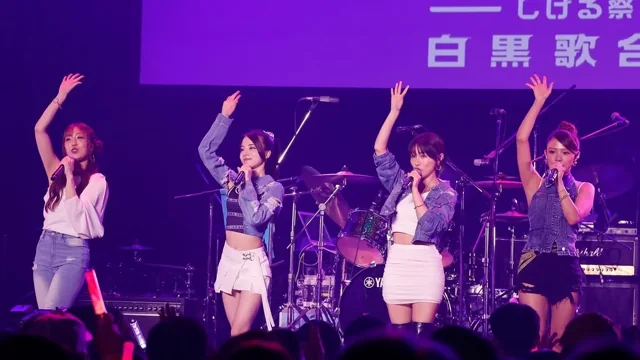
KANO MIYU and SIS at the crossroads of Kuro Fes 2026
sis in Atami, Part 2: Evening Falls on the Same Stage
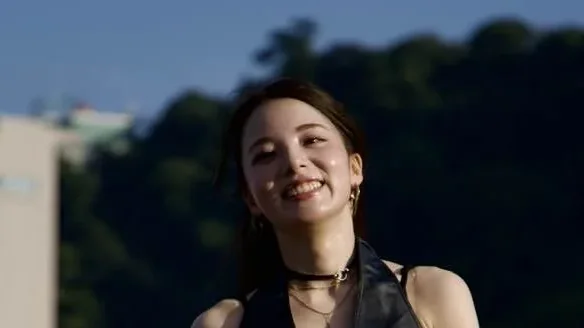
sis in Atami, Part 1: Thirty Minutes Between the Sea and Summer Light