REVIEW · Radio & Audio
KANO MIYU’s “TERMINAL,” encountered again on radio — RKB Sae no Waffle
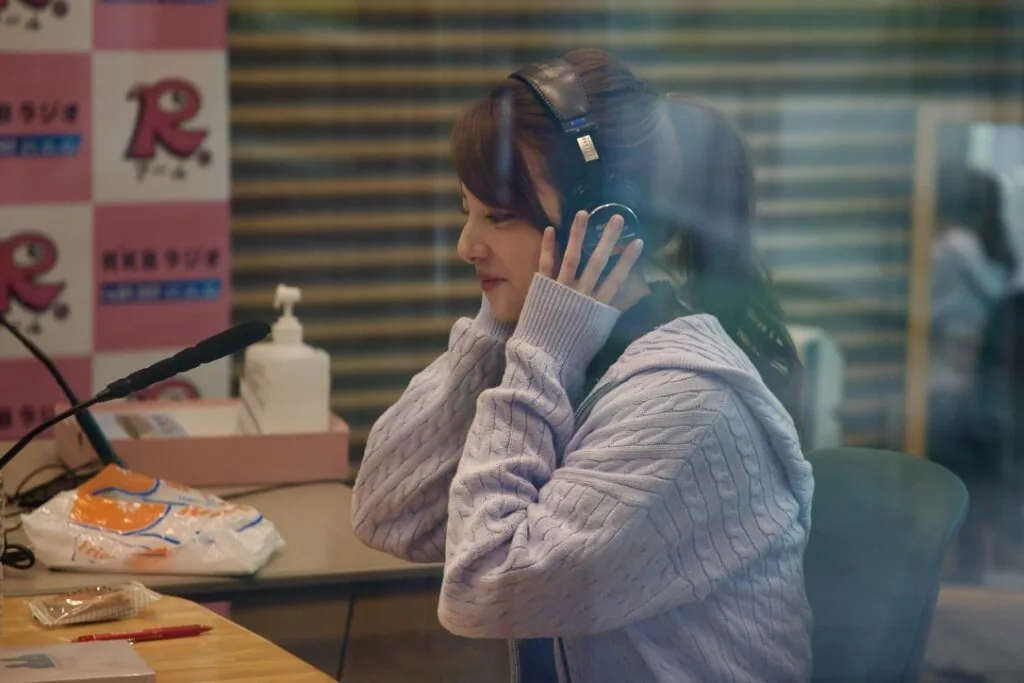
An afternoon introducing “TERMINAL” and a photo album
KANO MIYU appeared on RKB Radio’s “Sae no Waffle” on April 6, 2026, sharing a live performance of “Terminal” and discussing her first photo album, “Akiramenaide” (あきらめないで; don’t give up), recent Fukuoka activities, Korean fans and production stories from RKB short drama “Mentai Film”.
She brought the physical photo album into the studio. Between introducing it, she discussed cherry blossoms at Fukuoka Castle and the drama being filmed, and greeted people outside in Korean. Music and immediate exchanges alternated.
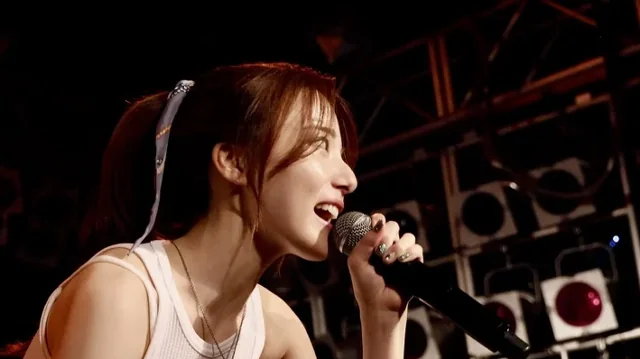
A broadcast beginning with “TERMINAL”
The broadcast played “TERMINAL” before moving into conversation. Later, she explained that the song holds meetings with Korean fans, new connections, farewells, change and gratitude.
The title’s images of movement and encounters also met the day’s conversation: activities in Japan and Korea, hometown schedules and the next day’s stage linked the talk between songs.
An introduction beginning in Omuta
She introduced herself as a singer-songwriter from Omuta, Fukuoka Prefecture, active in Japan and Korea, naming both her city of origin and work across two countries.
Talk then turned to spring at home. Familiar places discussed on local radio led into Korean broadcasts and audiences.
Seeing Fukuoka Castle’s illuminated blossoms for the first time
Early on, she said she had arrived the previous day and gone to see the illuminated cherry blossoms at Fukuoka Castle. Despite being from Fukuoka, it was her first visit and made a stronger impression than expected.
The site had free and paid areas; she found the blossoms under white lighting particularly beautiful. Close to the final weekend, it was crowded and full of festival energy.
Her account went beyond beauty. Previously, blossoms had simply signaled spring, but this year they moved her strangely. Even on the way to Pilates near her Tokyo home, they made her feel unexpectedly emotional; laughing, she said she did not know why.
Korean and Japanese across the studio window
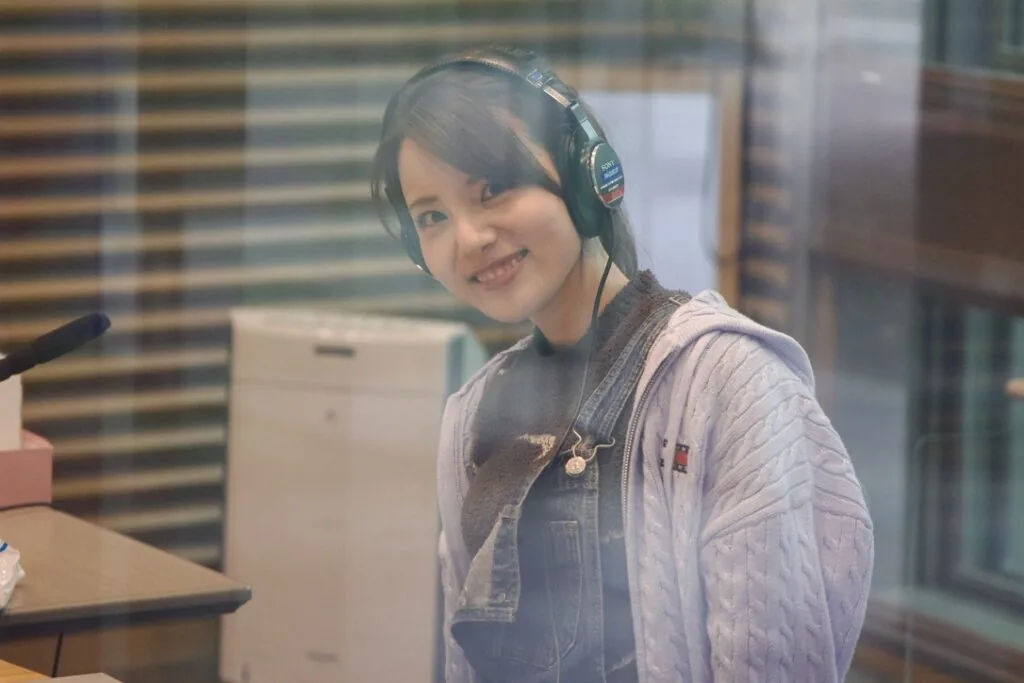
The presenter introduced a Korean visitor waiting outside, and conversation extended through the window. She greeted the visitor in Korean and received a reply.
After her Korean hello, the visitor said they had come from Korea. The presenter joined in, again noting the journey.
She thanked the visitor in Korean and said they could take plenty of photos. Responses from outside joined the conversation between host and guest.
She said the visitor had supported her since 2024 and now spoke more natural Japanese than at their first meeting. She then mentioned her own Korean studies.
She had continued studying since becoming a regular on a Korean program and still used an app. She wished to speak more, moving the topic from the visitor’s Japanese to her Korean.
The presenter treated it like an impromptu Korean lesson. She explained expressions while the visitor answered in Japanese, and laughter passed between inside and outside.
Overalls with one strap undone: the day’s style
Asked about her clothes, she explained her fashion references and that day’s combination. Everyday tastes entered the conversation about songs and the album.
The presenter had noticed her styling on arrival, naturally praising her look. She frankly explained that she often references Korean K-pop fashion and puts outfits together herself with that sensibility.
The casual look centered on overalls but was more than comfortable dressing. One undone strap created asymmetry, sporty items added rhythm and Nike elements she likes blended into an understated street style. She said the combination was intentional.
Notably, the fashion talk did not stop inside. Turning to the Korean fan outside, she asked how the outfit looked. The immediate Japanese reply, “Kyou mo saikou deshita” (“You were great today too”), brightened the mood. The presenter laughed, and she accepted the response with a pleased expression.
An explanation of clothing became another exchange through the window. An outside answer entered the host–guest conversation, making fashion part of the public-broadcast scene.
First photo album “Akiramenaide”: connecting her ten-year-old self with the present
The central discussion concerned her first photo album, “Akiramenaide” (あきらめないで; don’t give up). She brought the physical release and calmly explained its title.
She said “Akiramenaide” was the title of the first song she wrote at ten. School was somewhat difficult and she had worries even then, but music and lessons made her happiest. The song preserved those honest childhood feelings.
Initially, she hesitated to release it so many years later. The expressions felt too young and embarrassing to sing now. Her agency head encouraged her to release a good song, and a fresh arrangement changed her mind. Originally strongly folk-oriented, it was reborn in a form suited to her present self.
The childhood song entered the photo album through a new arrangement. She described moving from hesitation to feeling she could present it with her current voice.
A photo album with birthday-concert images
She explained that it was not simply a personal portrait collection: it held images of the previous year’s birthday concert, moments with fans and the atmosphere between stage and audience.
Fans appear too, she added, so they might enjoy looking for themselves. The album introduction became a shared look back at the birthday concert, not only its music.
Listening and looking at performance photographs coexist in one work. Showing the physical release, she introduced a format for enjoying sound and images together.
Filming RKB’s “Mentai Film”: expanding from music into acting
Another subject was RKB’s official short drama, “Mentai Film”. She said she had actually been filming until just before arriving, fitting radio between takes.
“Mentai Film” was introduced as a local short-form drama project featuring Fukuoka food, places and dialect. It was to appear on TikTok and Instagram, with her episodes announced for sequential release from early May.
She called the child actor appearing with her adorable and laughed that frequent surprised or frightened scenes meant screams repeatedly rang out on set. Details were withheld, but the hints heightened anticipation.
Announcing the next day’s Hakata Station stage
Toward the end, she introduced the next day’s event: “Sakura Festa” at the JR Hakata City large-roof event space, with her appearance scheduled for 6:15 p.m.
She said she felt fired up to sing in Hakata after so long. The time announced on the program was 6:15 p.m. the next day.
Encouragement for Avispa Fukuoka
In closing, she mentioned her role as an Avispa Fukuoka DAO ambassador. Discussing recent results, she offered encouragement and hoped the team would continue showing good form.
She thanked Korean fans who also come to watch matches. Performances and radio led into support for a local football club.
Finally, she said she wanted to remain a bridge between Japan and Korea—a wish for her work following the day’s exchanges in two languages.
KANO MIYU changes the mood from afternoon to evening — Hanno Music Festival 2026

KANO MIYU returns to Fukuoka through song — Daikoku Festival 2026
KANO MIYU and SIS at the crossroads of Kuro Fes 2026
sis in Atami, Part 2: Evening Falls on the Same Stage
sis in Atami, Part 1: Thirty Minutes Between the Sea and Summer Light