REVIEW · Songs & Albums
KANO MIYU’s Akiramenaide: Bringing One Night and Seven Songs Together
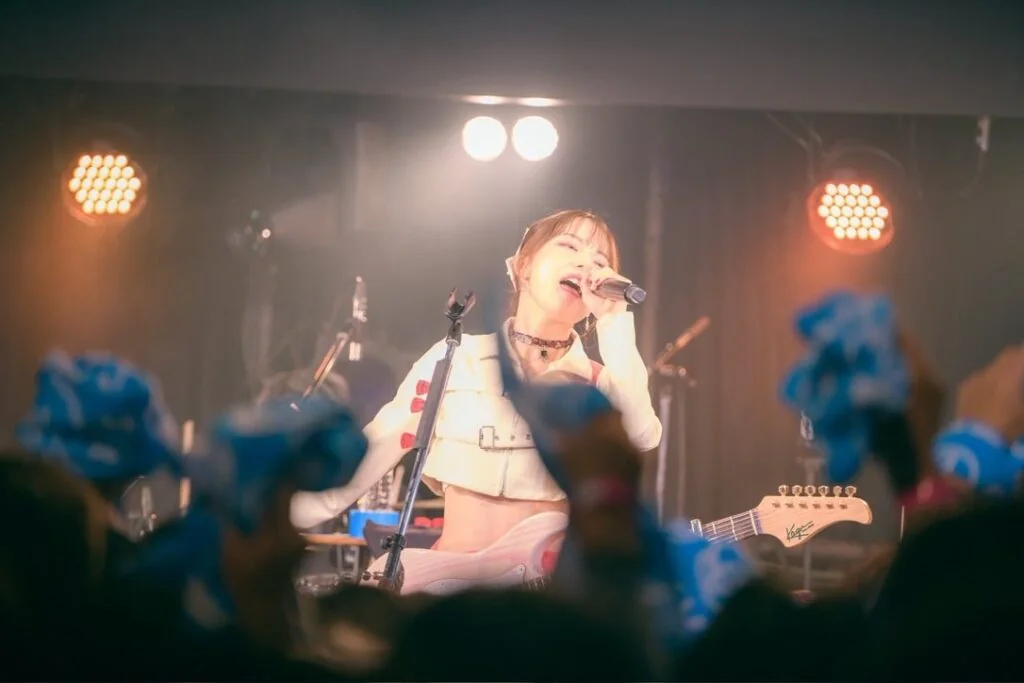
Concert photographs and recordings preserve different kinds of time. A photograph holds a gesture from a night that has passed; a recording lets someone who was absent return to a song. KANO MIYU’s first photo album, Akiramenaide, brings both into one package: a Special Live Photo Book from LIVE 1999 at Tokyo’s clubasia on November 6, 2025, and seven original songs.
Opening the photo book brings a particular night’s expressions and gestures close; playing the record follows different songs through the same voice. Looking closely at one instant of performance and returning to a track become connected within the package. The person remembered from a photograph prompts curiosity about what she says in song.
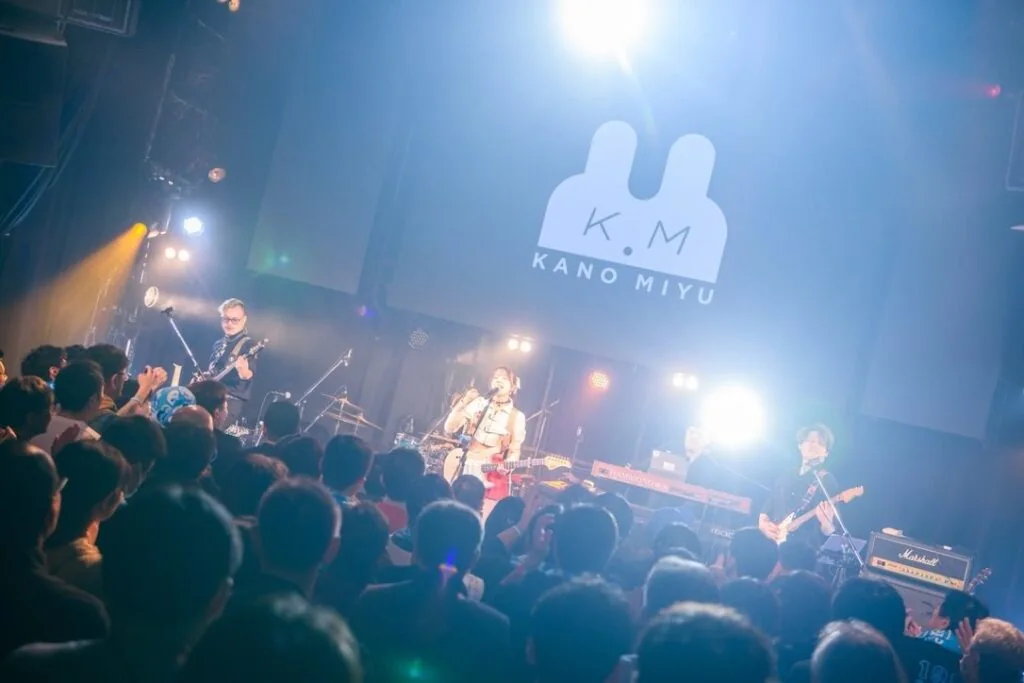
More than one date belongs to this release
The official discography lists January 17, 2026 as the release date. A later announcement gives February 11 for digital distribution of the same seven songs. The physical preorder information also specifies shipping from February 21. Performance, product release, digital release and dispatch are different events. Combining them into one date obscures how listeners encountered the work.
The photographs document the earlier concert. A book revisiting a past event meets recordings that remain available after it. The interest lies less in staging a new night than in handing over a past night alongside songs that can be heard now.
Akiramenaide tracklist
Release order
- It’s A New World
- HELLO, TOKYO
- Akiramenaide
- Re:Road
- Kuroi Shinzou
- DO IT NOW!
- Terminal
Seven songs bring different writers together
The sequence runs from “It’s A New World” through “HELLO,TOKYO,” “Akiramenaide,” “Re:Road,” “Kuroi Shinzou,” “DO IT NOW !” and “Terminal.” Previously released singles sit beside other songs, creating connections different from seeking each track separately. Different titles before and after a familiar song change the route to what is heard next.
“HELLO,TOKYO” credits Miyu alongside Tet Kotani and Penguins. “Re:Road” and “Kuroi Shinzou” combine her lyrics with Taiki Nishimura’s music. The title track credits her for both lyrics and composition. Hearing several writers’ work through one continuing voice gives the record another set of encounters.
Encouragement sits beside unsettled desires
The title track offers direct encouragement. A scene of someone shy at school who can shine onstage sits alongside reassurance about proceeding at their own pace. Its recipient feels closer to someone still hesitating than a hero who has already overcome every difficulty. Stage light and everyday shyness can belong within the same person.
Nearby, “Kuroi Shinzou” addresses a heart unfulfilled even by affection. “Re:Road” has an officially stated background of gratitude to longstanding supporters and newly encountered fans. Reducing these different relationships to one comforting message would weaken their differences. Encouraging, wanting and thanking coexist in the same voice; that is part of the collection’s range.
Meeting the person in the photographs through songs
The package lets listeners keep images of a performer while returning to several songs she sings. Someone beginning with the photographs can discover other expressions in the music; someone familiar with the recordings can turn towards a particular concert’s documentation. Neither medium explains the other completely, leaving room for another encounter.
Moving between early uploads, music videos and concert photographs connects a song with different moments. A photograph holds a gesture that has passed; a recording available for repetition returns to words once missed. The seven-track list supplies several starting points for that journey. One can hear the songs with a concert expression in mind, discover another feeling within them, and open the photographs again.
Related material
Music and production information
Official photo album information ↗ · Digital release announcement ↗ · Music and track credits ↗

KANO MIYU changes the mood from afternoon to evening — Hanno Music Festival 2026

KANO MIYU returns to Fukuoka through song — Daikoku Festival 2026

KANO MIYU and SIS at the crossroads of Kuro Fes 2026

sis in Atami, Part 2: Evening Falls on the Same Stage

sis in Atami, Part 1: Thirty Minutes Between the Sea and Summer Light