REVIEW · Concerts & Live
SIS at Kanda Myojin Hall: A Final Greeting on the Three-City Tour
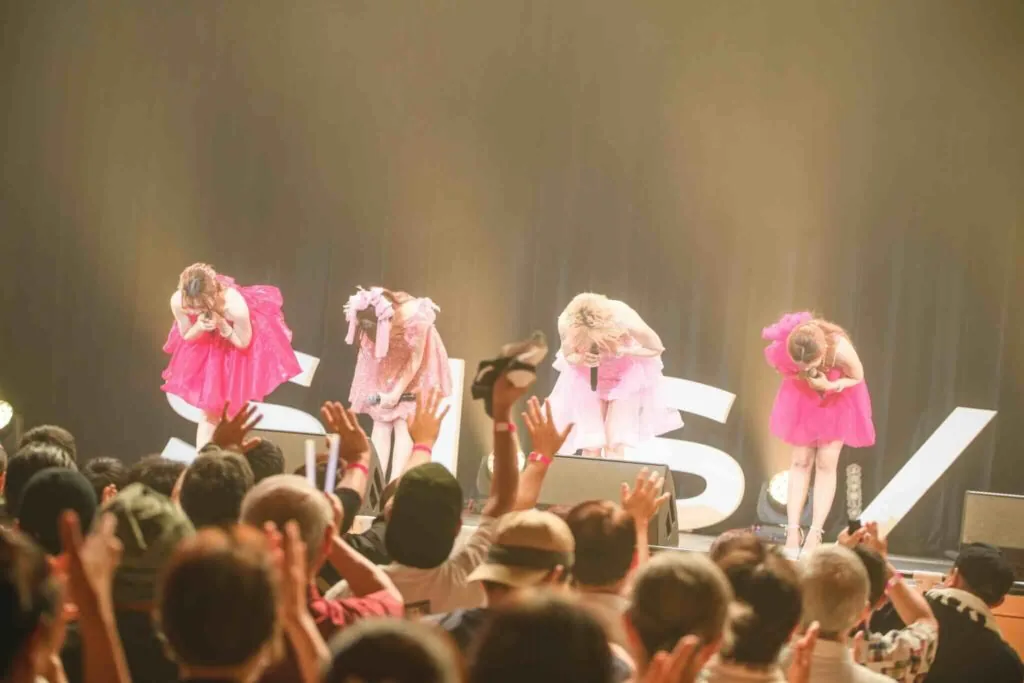
— The group’s present and direction at the end of its Tokyo–Nagoya–Osaka tour
On 13 September 2025, SIS/T appeared at Kanda Myojin Hall in Tokyo for the last stop of its Tomeihan tour, the Japanese shorthand for the Tokyo–Nagoya–Osaka circuit. As both the conclusion of a tour through three major cities and a symbolically important Tokyo show, it carried a significance beyond an ordinary date on the schedule.
Kanda Myojin Hall differs in character from a conventional live club or concert hall. Located within the grounds of Kanda Myojin shrine, where tradition meets the contemporary, it creates an unusual atmosphere in which the energy of an idol show coexists with a distinctly Japanese sense of place. The choice of this venue for the finale suggested an effort to shape the tour into a narrative rather than simply repeat the same concert.
A Seated Format That Focused Attention on the Stage
The show was scheduled to begin at 4:30 p.m., with admission starting earlier in entry-number order. Tickets were sold through ticket board, with both successful applications and entry numbers determined by lottery.
This was a seated rather than standing show. Seats were not assigned in advance; audience members chose them in order of entry. That arrangement combined a degree of tension with room for choice. Those with earlier entry numbers could naturally secure places closer to the stage, creating conditions for deeper engagement with the performance.
The benefits of seating were clear. Less crowding and fewer potential obstructions than at a standing show made it easier to follow the staging, performances, expressions and movements. The evening felt closer to calmly following and absorbing the music and performance than to a format built around jumping and shouting together.
The Opening and a Program Shaped for a Japanese Audience
The members appeared without a substantial delay from the scheduled start. Photography and video recording were prohibited throughout, maintaining a certain tension across the show. By directing attention toward being there rather than documenting it, the setting ultimately increased concentration on the performance itself.
The outfits differed somewhat from styles often seen at earlier shows. Centered on shades of pink, they maintained unity while allowing each member’s character to emerge naturally. The choice worked with the lighting without becoming excessively ornate.
The early selections were largely aimed at a Japanese audience. Covers of relatively older Japanese songs followed one another, familiar to local listeners but potentially less so to visitors from abroad. The choices nevertheless seemed clearly aware that Tokyo was the final stop. For a group active in Japan, prioritizing a connection with Japanese listeners was also a natural strategic decision.
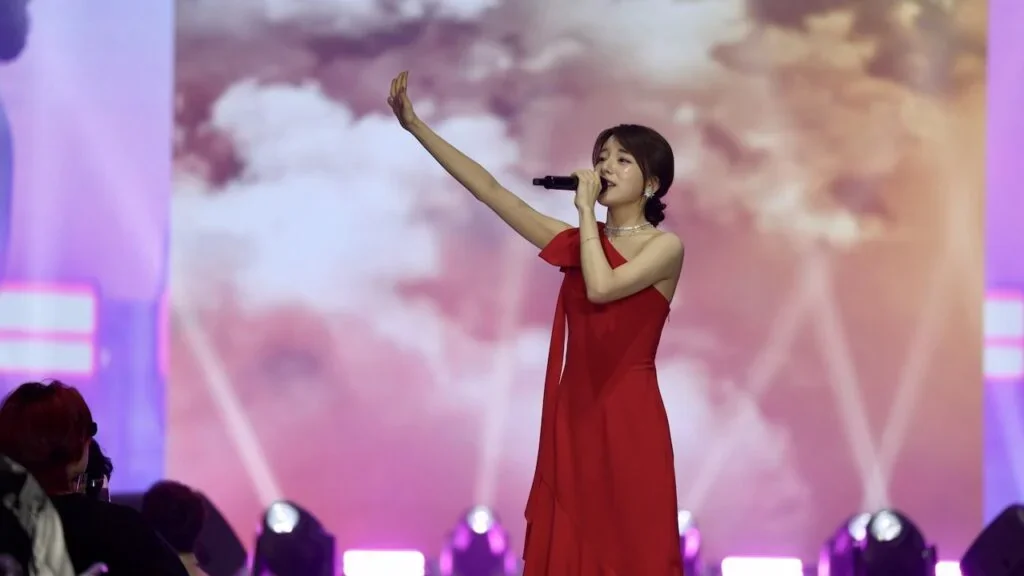
Individual Character in the Solo Performances
The middle of the show brought solo performances by each member. These were less a simple interval than a means of revealing the group’s internal makeup. Although part of one team, each performer had a moment to show a distinct color and musical inclination.
KANO MIYU chose Seiko Matsuda’s “Ruriiro no Chikyu.” She brought out the original’s lyricism and delicate feeling without exaggeration, delivering it in a comparatively restrained tone. The emphasis on steady breath and emotional flow rather than showy technique offered a direct glimpse of her vocal style.
The other members filled the stage in their own ways. Overall, the solos favored a calm atmosphere over intense performance, temporarily settling the concert’s flow while creating a contrast with the group numbers to follow.
Familiar Songs Build the Climax
After the solos, the show returned to group songs. A Japanese-language version of “Ai no Battery” and “DING DONG Kudasai,” among other numbers already established across earlier stages, gradually raised the audience’s response. This section formed a clear climax.
Time seemed to pass very quickly. The progression was smooth enough for the thought “this song already?” to arrive before a sense that the show was ending. It suggested a relatively assured design of both the setlist and transitions.
The Encore and the Tour’s Conclusion
Calls for an encore followed naturally after the main set, and the members returned in casual clothes. The shift from stage costumes toward everyday dress moved the event from a formal show into a more personal, human register.
The encore unfolded in a more relaxed atmosphere than the main set. As the members shared their thoughts, the reality of the tour’s final day began to register. The show was now less concerned with presenting something new than with gathering together the journey so far.

KANO MIYU’s Message and a Symbolic Gesture
A special activity marked the tour: members threw signed balls bearing handwritten messages into the audience. Responsibility was assigned to different members according to the tour date. In Tokyo, KANO MIYU took that role.
The sight of a signed, message-bearing ball flying into the audience felt like more than fan service; it symbolically closed the tour. A physical keepsake arriving from the stage gave tangible form to the otherwise intangible experience of the concert.
The Post-show Event and the Tour’s Afterglow
A postcard handover followed the concert. All audience members could participate, briefly meeting the performers face to face and exchanging greetings. Time was limited, but on the tour’s final day, this small point of contact carried added meaning.
Even after everything ended, the area around the venue did not immediately fall quiet. The final day of the tour, together with the symbolism of Tokyo, left a lingering impression beyond the performance.
The Tour Ends, and the Next Stage Beckons
SIS/T’s appearance at Kanda Myojin Hall on 13 September 2025 both concluded a tour and suggested another stage ahead. With assurance more apparent than spectacle, and accumulated experience more than display, it gave a fairly clear sense of the group’s present position.
The tour was over, but the show felt closer to a comma than a full stop. Completed in central Tokyo, in a place where tradition and the contemporary meet, the performance quietly suggested where SIS might head next.
SIS/T’s Tokyo–Nagoya–Osaka tour finale at Kanda Myojin Hall, Tokyo · Related video

KANO MIYU changes the mood from afternoon to evening — Hanno Music Festival 2026

KANO MIYU returns to Fukuoka through song — Daikoku Festival 2026
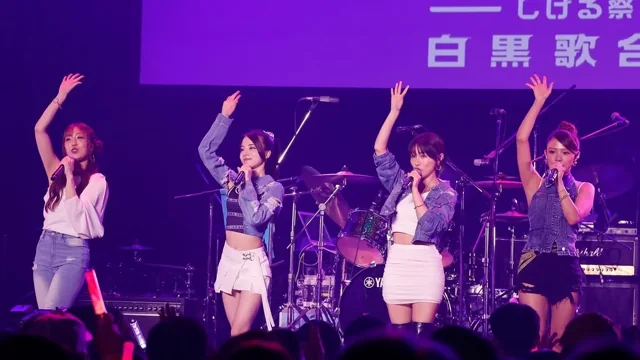
KANO MIYU and SIS at the crossroads of Kuro Fes 2026
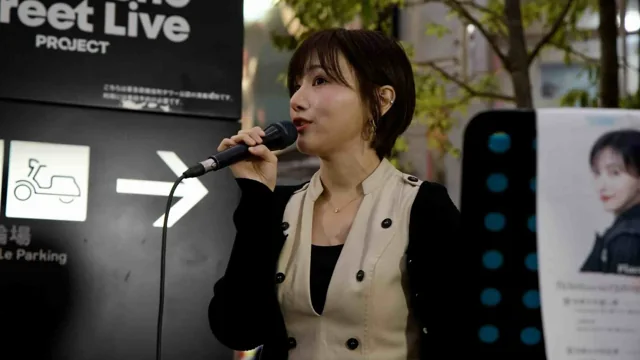
MAKOTO. places her own song among familiar classics — Kabukicho Street Live

sis in Atami, Part 2: Evening Falls on the Same Stage