REVIEW · Concerts & Live
KANO MIYU’s “TERMINAL” in Tokyo: Fourteen Songs and the Conversation Beyond
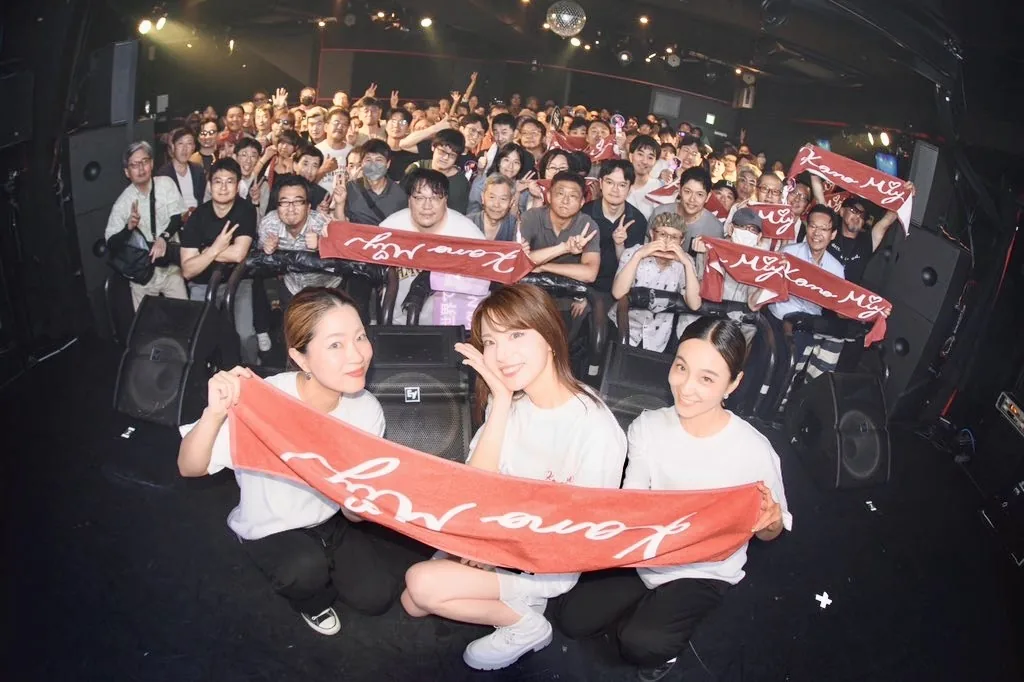
In July 2025, Harajuku’s live venue RUIDO hosted a solo “TERMINAL” concert by SIS/T artist KANO MIYU. Unlike a mini live, this layered event combined a standing show, merchandise and a post-show talk. Japanese and some Korean fans shared a lively atmosphere of anticipation.
Merchandise and the Pre-show Atmosphere
Sales began at the entrance at 4 p.m. T-shirts, towels, key rings and cheki instant photos were offered; all but the photos were new for the show. Shirts came in size L only; towels cost ¥2,500, key rings ¥1,000 and cheki ¥1,000. Explanations of Miyu’s own shirt design helped some fans decide to buy.
The surroundings were initially quiet, but a queue formed near the end of sales. The link between purchases and entry-number allocation also mixed anticipation with nervousness.
Admission and Standing-room Anticipation
Admission followed online-lottery numbers. With no assigned seats, order determined access to the front. Higher numbers made front positions harder to obtain; staff explained safety and space arrangements beforehand.
Fans sought viewing space before the start. The small standing venue meant a close crowd, making personal distance and sightlines important.
Performance and Setlist
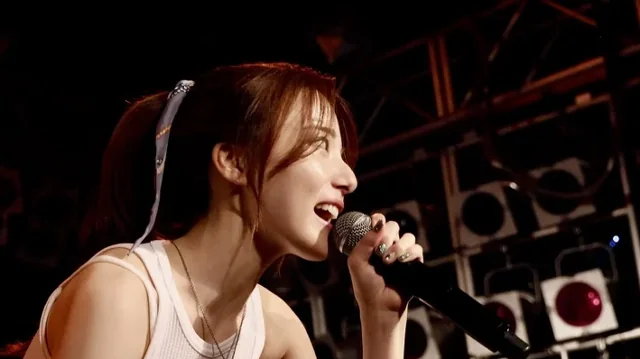
After a slight delay, Miyu appeared and opened with new original song “HELLO, TOKYO”, raising the energy. Familiar numbers including “Password 486”, “Makenaide”, “Mahou Shoujo” followed, gradually building the atmosphere.
The 14-song running order was as follows.
Concert setlist
Running order
- HELLO, TOKYO
- Password 486
- Makenaide
- Mahou Shoujo
- ANGEL NIGHT
- Romantic Ageru yo
- 大丈夫だよ。
- Re:Road
- Time of Our Life
- Shake it Off
- Kuroi Shinzo
- TERMINAL
- OVER DRIVE (encore)
- Ai no Battery (Korean version, encore)
The show included Korean lyrics and remarks to communicate with both audiences. Part of “Makenaide,” for example, was sung in Korean, drawing Korean fans into the experience too.
Original song “大丈夫だよ。” was chosen in a random draw. Audience selection increased interaction. A guitar-amplifier problem briefly interrupted it, but fans warmly accepted this as part of a live occasion.
Audience Responses and Energy
Responses varied by song, with “Mahou Shoujo” and “Time of Our Life” especially popular. Korean and Japanese fans concentrated alike; in the compact standing room, energy passed between people and became a collective response.
Later, “TERMINAL” expressed meetings and partings through an electronic-keyboard-centered arrangement distinct from earlier material. “OVER DRIVE” and the Korean “Ai no Battery” sustained the energy through the encore.
Before the Q&A
Host natsuco introduced her long connection with Miyu. “Someone recommended me to host. We’re also friends privately, so I think they felt I could do it naturally,” she explained. The connection reached back around ten years, including memories of Miyu at 15, giving the occasion added meaning.
A brief survey asked when listeners discovered Miyu: first-time visitors, fans of under six months, under a year, under five years and over ten years all appeared, showing a wide span of support.
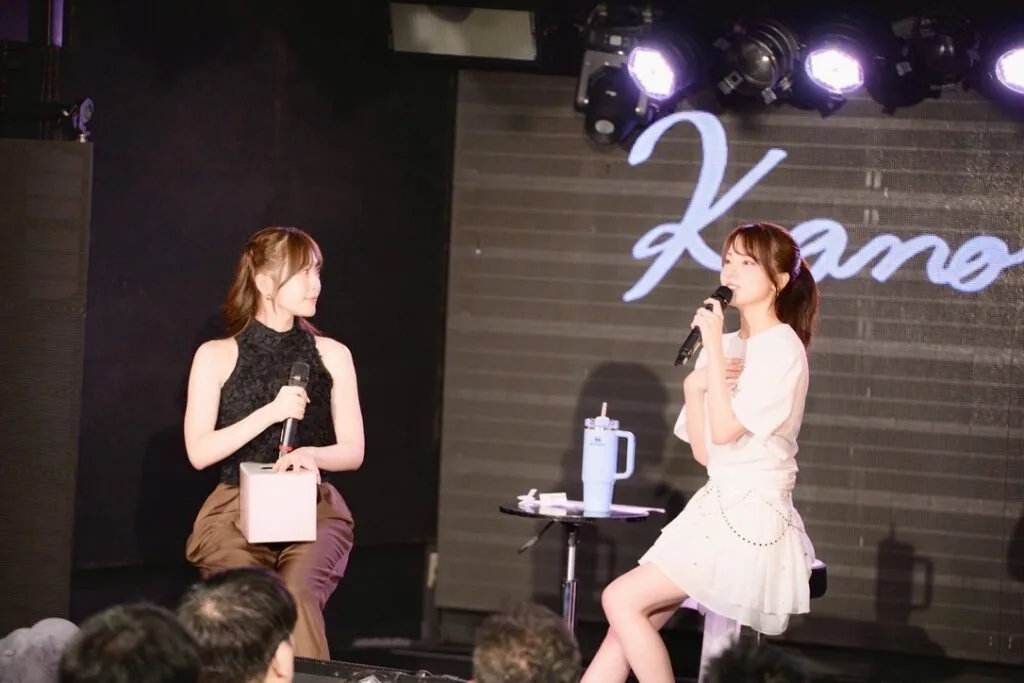
Q&A: Music, Everyday Life and Connection
Submitted questions and answers were in Japanese. No interpretation was provided, but fans translated for one another.
- Songwriting order: About 80 percent of the time, melody comes before lyrics. “TERMINAL” took inspiration from the feeling of stepping off a plane, leading to its completed melody.
- Favorites and leisure: She named the Korea–Japan cast drama “Eye Love You” and the film Breakfast at Tiffany’s, offering a glimpse of her tastes and sensibility.
- Solo repertoire: Around 50 songs existed, including unreleased material and ideas in preparation. She hoped to share more in future.
- Lifestyle: Not a morning person as a student, she found herself naturally waking earlier after moving to Tokyo and having a freer schedule. Everyday stories softened the atmosphere.
- Naming songs: “Kuroi Shinzo” came intuitively after the lyrics; feedback from others helped refine the title.
- Travel and recommendations: She wanted to visit Nashville overseas and Okinawa within Japan. For Korean food, she mentioned samgyeopsal restaurants and Mom’s Touch, noting that related experiences were also available in Japan.
- Working internationally: She emphasized language practice, stronger singing and continued self-development.
- Meeting fans directly: Asked to choose between someone who rarely listens but attends shows and someone who listens often but never attends, she said choosing was difficult, but meeting fans live and making eye contact was most precious. It emphasized live interaction’s particular appeal.
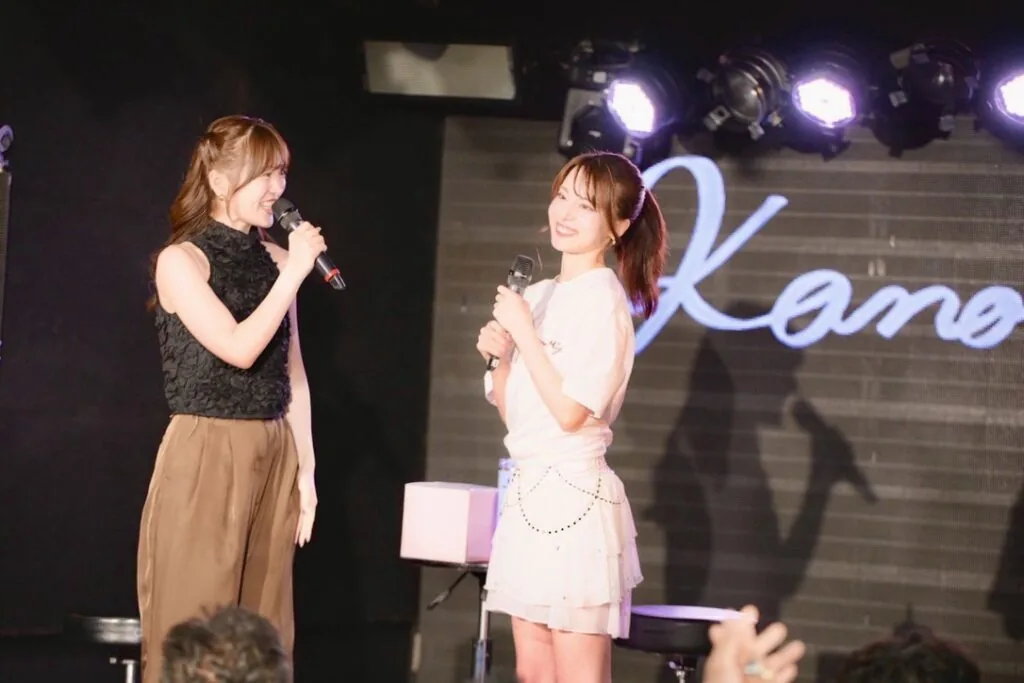
Beyond answers, the session became a place to sense each other’s presence and share music and emotional connection. Candid replies and natsuco’s well-judged hosting made it a fan experience as rich as the main show.
Looking Back
At Harajuku RUIDO, “TERMINAL” combined music with fan experience, immersion, real-time interaction and a post-show talk. A close standing room, random selection, two-language communication and participatory questions strengthened a live event made together.
Attention to local and some overseas fans, merchandise around the show, audience-experience design and the talk formed a well-rounded event worthy of consideration as a model for future solo concerts.
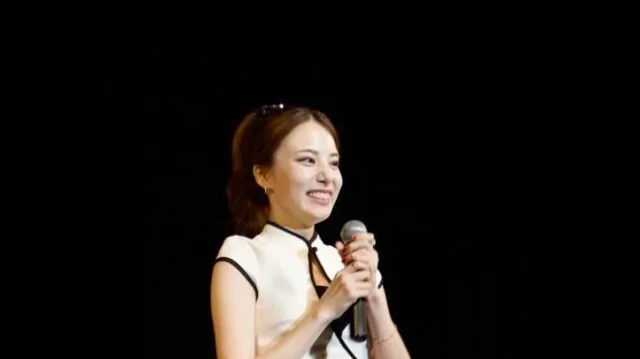
KANO MIYU changes the mood from afternoon to evening — Hanno Music Festival 2026

KANO MIYU returns to Fukuoka through song — Daikoku Festival 2026
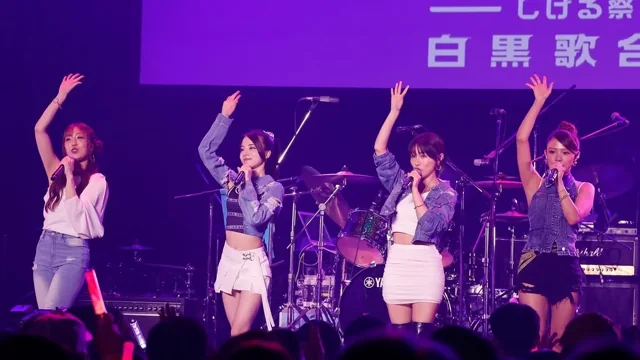
KANO MIYU and SIS at the crossroads of Kuro Fes 2026

sis in Atami, Part 2: Evening Falls on the Same Stage

sis in Atami, Part 1: Thirty Minutes Between the Sea and Summer Light