REVIEW · Songs & Albums
Kim Kwang Seok’s “Seoreun Jeueume”: Things That Left Before Being Let Go
Karaoke numbers
“Seoreun Jeueume” does not prescribe who to be at thirty. At the threshold, the speaker notices losses and distances more than achievements. Without deciding to let go or believing oneself gone, relationships and seasons have shifted. This gap between intention and change moves the song. Before treating age as a timetable, hear a voice examining losses it cannot even date precisely.
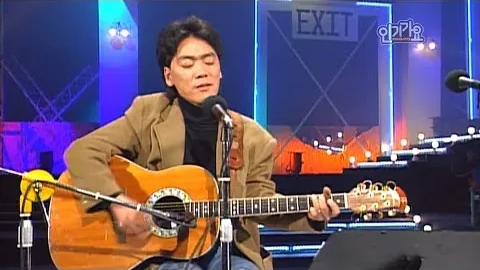
Kim Kwang Seok — Seoreun Jeueume [Lyrics]
Recognizing Loss Belatedly
Disappearance is not always recognized immediately. Similar days pass before familiar sensations prove different. Loneliness comes through delayed awareness. Without one causal event, even the object of loss resists tidy naming. Youth or love can label it, but feeling is more detailed. Repeatedly asking what changed becomes the expression.
The voice does not judge a life. Its closeness belongs to someone still passing through, not a teacher with answers. Listeners recall their changes instead of evaluating at distance. Unhurried breathing keeps the question open, letting personal pace enter and formerly overlooked words catch attention. A familiar song can hold different words on return.
Between Letting Go and Leaving
Seasons return without an unchanged person to receive them. Repetition alongside change makes aging more than numerical movement. Familiar scenery can sharpen private difference, revealing what returns and what does not. The song refuses to cover it with compulsory improvement, keeping room to speak on days that feel less adequate than yesterday.
A named age need not limit listening: anticipation before thirty and belated recollection afterward are possible. Yet too quickly making it identical for everyone blurs its particular threshold. Remember thirty without making achievement a checklist. Hear what changed personally rather than blame delay against another’s schedule.
A Song Beyond the Number Thirty
The ending does not promise recovery of everything lost. It preserves having faced unchosen change for one song. Sadness differs from private failure. The returning question offers no solution but makes feeling speakable. Age’s familiar marker becomes a place to watch passing things together briefly.