REVIEW · Songs & Albums
Coldplay’s “Orphans”: A Dancing Rhythm Asks About Stolen Daily Life
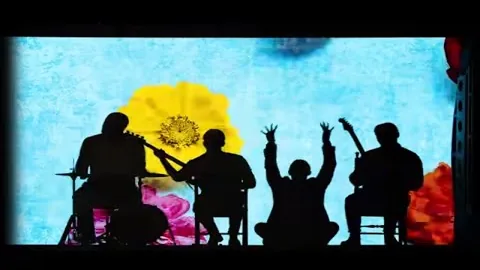
Karaoke numbers
The lively track loses more than vague loneliness. Lyrics name Rosaleem and Baba, bombing and flowers. Dreams and skills sit beside destruction. Miss this story and brightness becomes generic encouragement against isolation. Its gap is sharper: ordinary friendship, youth and home are desired by those denied them.
Coldplay - Orphans (Official Video)
Two People More Specific Than Isolation
Rosaleem receives possible life; Baba knowledge of growing flowers and trees. Names and lives come first, restoring specificity lost in numbers or scenery. Bombing then interrupts people with interests and skills rather than representing abstract disaster. Bright music cannot easily turn them into decorative sorrow.
Reading only rejection of identity roles or general isolation is insufficient. Broader title meanings must first meet actual destruction and return. No great victory is requested: only formerly ordinary time. Small wishes become hard to fulfill. Brightness reveals loss’s scale instead of signaling reassurance.
The Modest Wish to Return to Friends
Wanting friends carries particular weight. Instead of a grand political slogan, war is approached through nearby people. Modesty does not lighten the subject; ordinary pleasure now requires permission. Familiar desire narrows distance from tragedy. Return’s repetition gains urgency unlike beautifying nostalgia.
Singable sound gathers voices beyond monologue and invites bodily participation. Energy does not solve tragedy. Shared sound and resolved character loss differ. Preserving the gap clarifies brightness: not merely cheerful packaging, but a form letting many mouths revoice lost everyday wishes.
Shared Rhythm Without Covering Tragedy
The remainder exceeds “do not give up.” Easy singing asks why return is so hard. Names of a gardener and someone with possible futures survive. Vitality remembers entitlement to happiness, not imminent happiness. Recalling personal evenings and friends makes closeness a route to understanding rather than forgetting loss.

Coldplay’s “Every Teardrop Is a Waterfall”: When Tears Become Movement
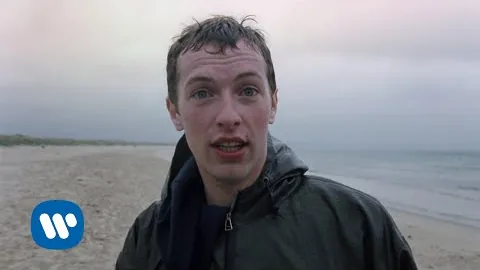
Coldplay’s “Yellow”: A Landscape Changed by One Person

Coldplay’s “The Scientist”: The Logic of Wanting to Return

Coldplay’s “Strawberry Swing”: The Person a Perfect Day Needs

“Something Just Like This”: An Ordinary Wish Sung on a Grand Scale