REVIEW · Festivals
KANO MIYU Answers Memory in Song: LIVE FOR LIFE Ongakusai
November 3, 2024: a place to sing memory
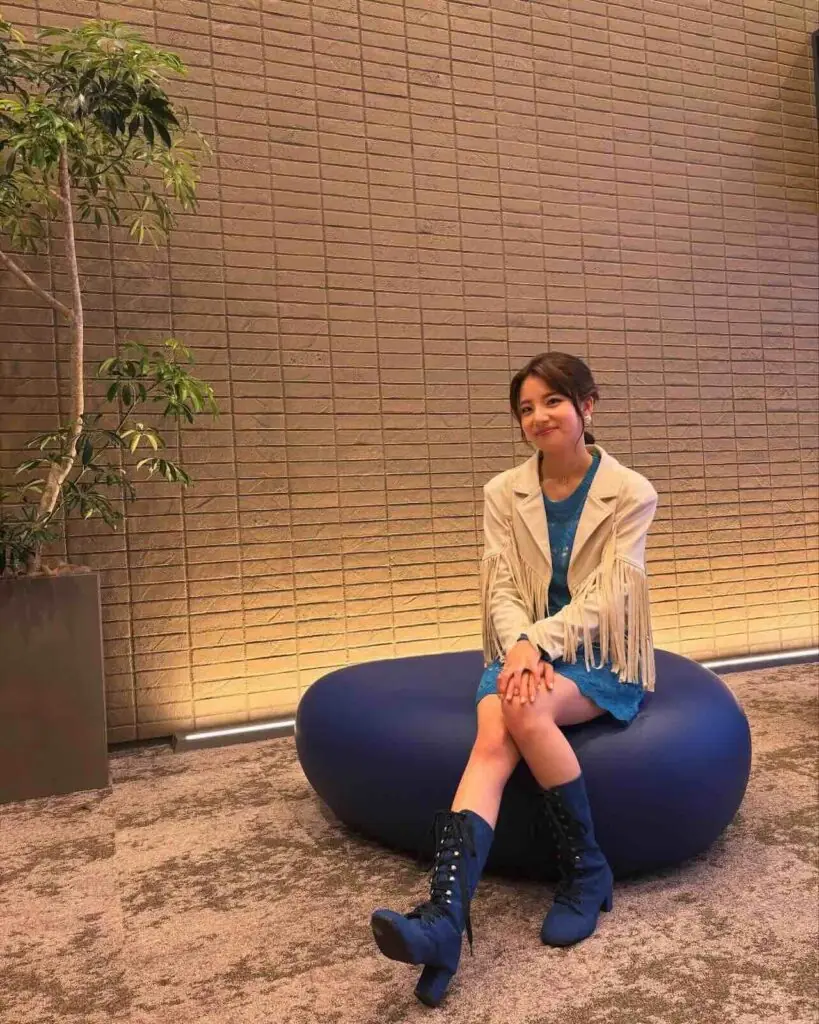
KANO MIYU at LIVE FOR LIFE Ongakusai
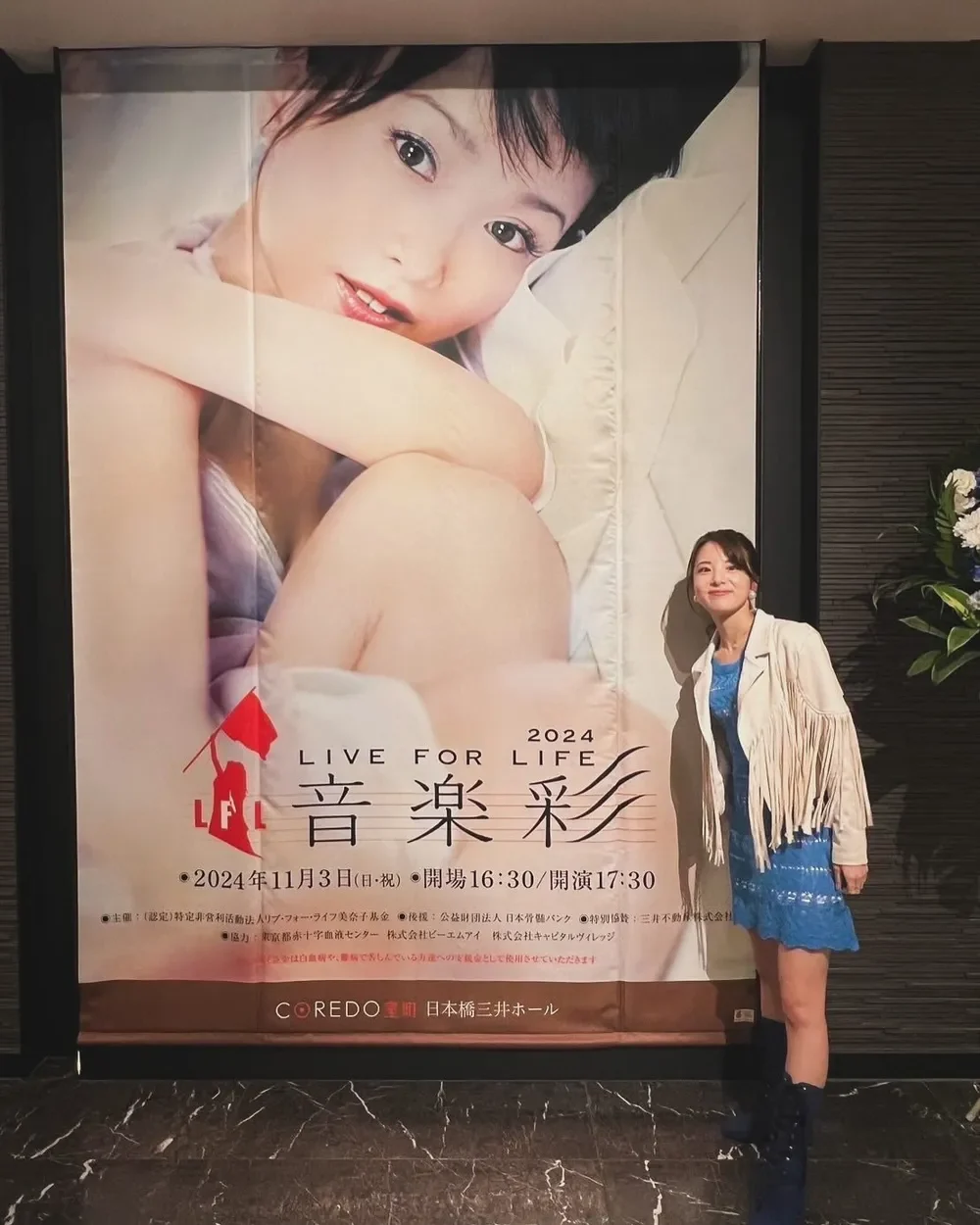
On November 3, 2024, Nihonbashi Mitsui Hall in Tokyo’s Chuo ward held an unusual atmosphere. “2024 LIVE FOR LIFE Ongakusai: Minako Honda Memorial” was more than a commemorative show. Music remembered one life while offering the meaning of living to people here now.
Doors opened at 4:30 p.m. and the show began at 5:30, welcoming people through an orderly schedule. Quiet concentration naturally filled the room before it started, rather than concert bustle. At its center stood the name of Minako Honda, a special figure in Japanese musical history.
What it means to remember Minako Honda
The annual show continues her wishes. Debuting as a 1980s idol, she built an individual career across rock, classical music and musicals. Known for “Oneway Generation,” she was among artists unafraid of musical transformation.
In 2005, acute myeloid leukemia abruptly halted her life. During illness she spoke of living as wonderful and wished to return to the stage to encourage others in similar pain. She died at thirty-eight, but her words and attitude continue to reach many.
The nonprofit LIVE FOR LIFE Minako Fund continues that spirit through bone-marrow transplantation promotion and support for intractable-disease patients. The concert belongs to those efforts. The heart with which someone stood mattered more than simply how well they sang.
MIYU among established names
Artists representing generations joined: enka leading figure Sachiko Kobayashi, 1980s idol Iyo Matsumoto, Hiroko Moriguchi crossing anime songs and pop, and former girl-group member Meimi Tamura taking another path.
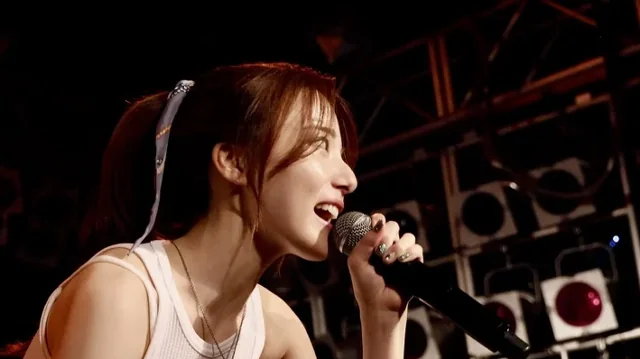
Amid names carrying weight, MIYU was never noisy, instead almost carefully calm. That attitude precisely matched the occasion.
She stood not as a young newcomer or topical contestant, but as a singer understanding its required feeling and pace. No excessive gestures or emotion: she seemed first to consider what it honored and the audience’s state of mind.
The place occupied by “Oneway Generation”
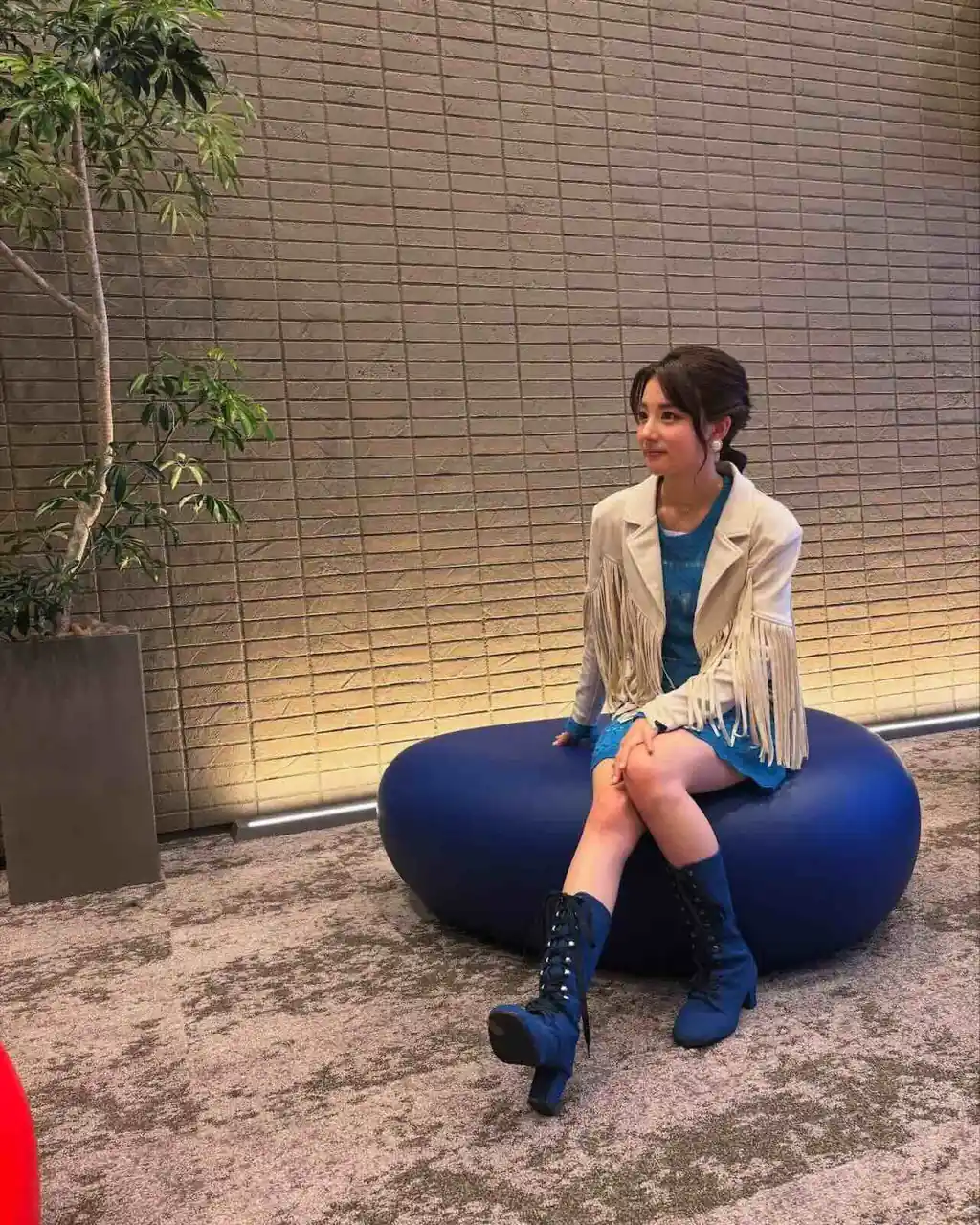
She chose “Oneway Generation,” a song symbolizing Honda and belonging to the beginning when she first made her mark. More than famous repertoire, it condenses an artist’s attitude in passing through musical time.
It was familiar to MIYU, who had sung it on Korea–Japan King of Singers with respect for a senior artist’s time rather than as a mere cover. It was a road walked again rather than a new attempt, yet repetition does not repeat meaning. Here she seemed to step farther back to bear its weight.
She did not reinterpret excessively or artificially change the speed, rhythm and direct energy of 1980s idol music. She ordered it through her breath. Rather than leap at the chorus or push emotion early, she calmly accumulated phrases and maintained flow.
That choice fitted a memorial where song handled memory rather than displayed the singer. She carefully stepped onto the time held by Honda’s name instead of foregrounding herself. It was an attitude of preserving context rather than looking impressive.
The room responded accordingly: applause after the song rather than immediate cheers, and attention following the stage rather than shared singing. Quiet but weighty response, an atmosphere conveyed after ending, was appropriate. The song gained meaning here now rather than merely reproducing the past.
MIYU’s position on a stage of memory
The occasion asked less for a new challenge than confirmation of the stages she suits and the attitude with which she sings.
Through Trot Girls Japan and Korea–Japan King of Singers she had often been received as a contestant with a story. Here she seemed to stand quietly beside a story rather than be its protagonist. That position was the most persuasive one.
She aligned herself with the song’s meaning and the concert’s accumulated time rather than putting herself first. Such an attitude is not easily imitated; it comes through experience, failure and many stage choices.
Living and singing
As the title suggests, this was singing for life. Music was consolation and memory, and quiet encouragement to those living now.
MIYU again showed her direction of growth: learning to stand in the right place rather than shout louder, choosing to demonstrate attitude on a quiet stage rather than shine under spectacular lights.
It may not be her career’s most conspicuous scene. Yet beginning to suit such a stage naturally is itself unmistakable growth.
And it is growth of a kind that lasts quietly.
KANO MIYU changes the mood from afternoon to evening — Hanno Music Festival 2026

KANO MIYU returns to Fukuoka through song — Daikoku Festival 2026
KANO MIYU and SIS at the crossroads of Kuro Fes 2026
sis in Atami, Part 2: Evening Falls on the Same Stage
sis in Atami, Part 1: Thirty Minutes Between the Sea and Summer Light