REVIEW · Concerts & Live
KANO MIYU at the 12th Munakata International Environmental Conference: A Night of Music and Environment
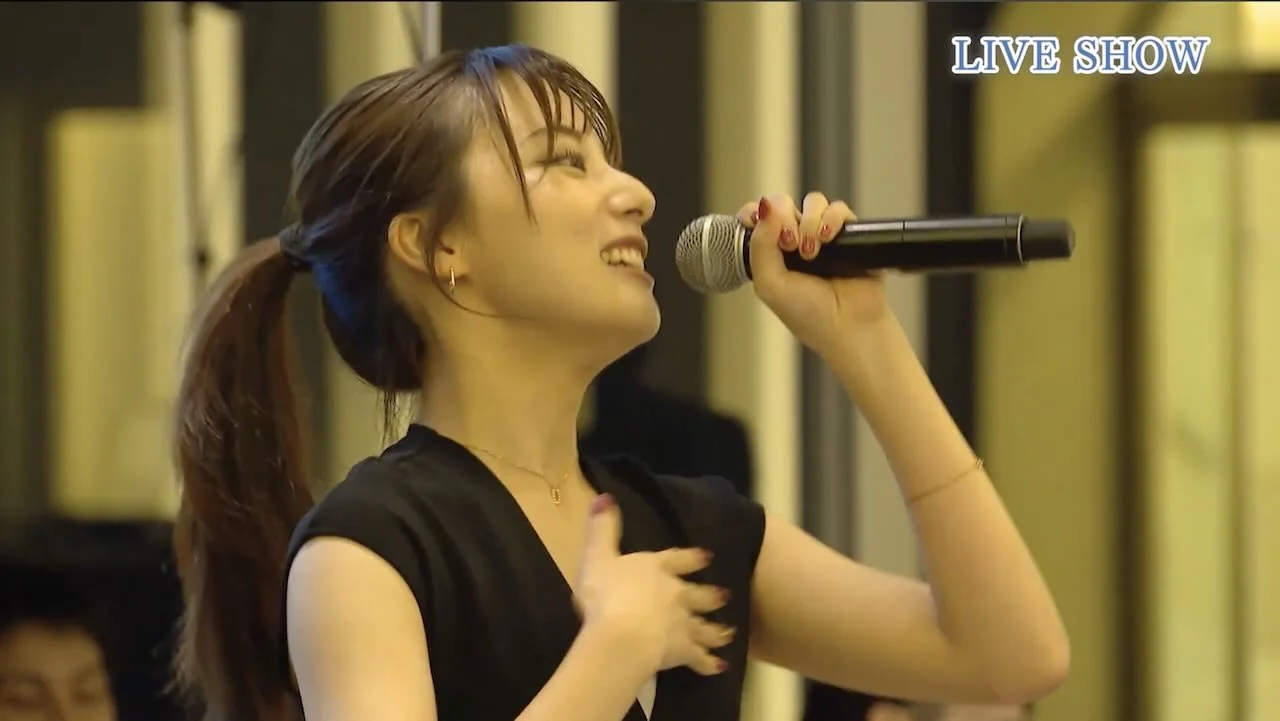
Munakata live setlist
Performance order
- DO IT NOW !
- DING DONG Kudasai
- Ai no Battery
- Terminal
- Ruriiro no Chikyuu
Music within environmental discussion — October 27, 2025 · 12th Munakata International Environmental Conference
From October 26 to 28, 2025, the city of Munakata, Fukuoka Prefecture and its surrounding area hosted the 12th Munakata International Environmental Conference. Under the theme “Tokowaka—Opening the Future,” the international forum brought academia, civil society and international institutions together to share discussions on environmental conservation and a sustainable future.
Munakata’s meeting of Japanese history and nature resonated with the conference theme, conveying a message of coexistence between environment and culture. On the evening of October 27, KANO MIYU performed live as part of the official program. Moving beyond the conventional emphasis on academic presentations and debate, it attracted attention as an unusual attempt to connect environmental messages with listeners’ feelings through music.
A black dress and the stage’s gaze: KANO MIYU at an environmental conference
The performance was prepared as an official part of the evening session. Many participants stayed after the presentations, waiting for the stage. Miyu appeared in a black dress. Under the lighting, her silhouette combined sharp outlines with soft lines, bringing together the solemnity of the environmental conference and the delicacy of a musical performance.
The show opened with “DO IT NOW !,” immediately drawing the audience’s attention. Its direct energy metaphorically suggested the need for prompt action on environmental issues. Next came “DING DONG Kudasai” and “Ai no Battery”, strengthening the connection with listeners through Miyu’s distinctive rhythm and sensitivity.
“Terminal” followed in the middle of the set. With themes of change, movement, endings and new beginnings, it strongly resonated with the conference’s subject. “Ruriiro no Chikyuu” provided the finale, expressing the shared experience of Earth through musical lyricism.
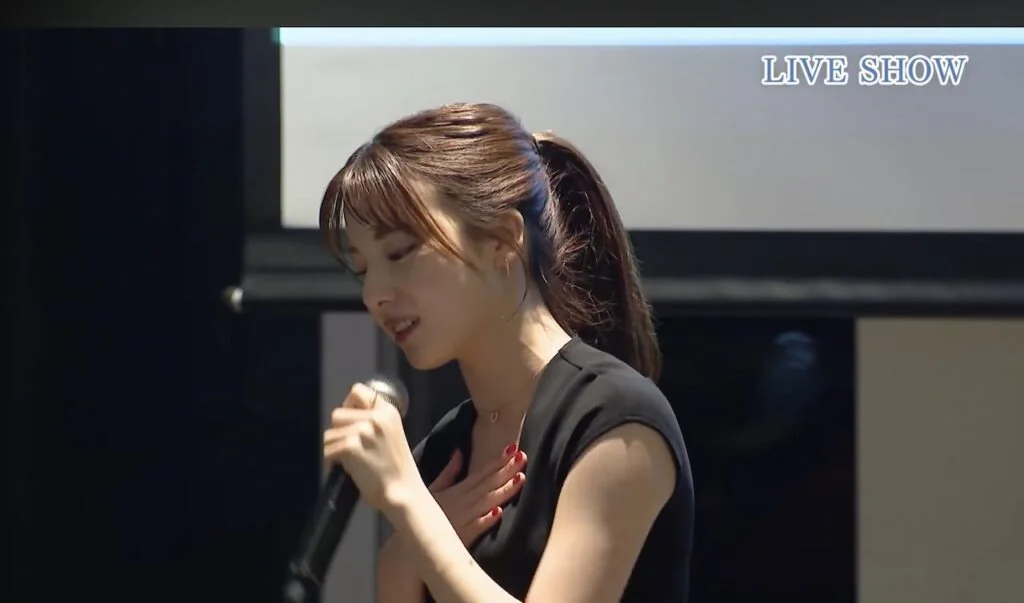
Where music meets the environment: participants respond
The performance was more than a diversion. Participants listened with seriousness and openness, judging that Miyu’s music and stage reinforced the philosophical direction of the conference. Academics, activists and representatives of international NGOs particularly agreed that music complemented the logical structure of the discussions while providing sensory and emotional motivation.
One participant said, “Environmental discussion sometimes has to be academic,” adding, “When emotional expression joins that discussion, as in this performance, the message expands into everyday experience.” The remark pointed to the importance of emotional common ground in connecting environmental policy and action.
The performance was also released on YouTube, with Miyu’s stage beginning at approximately the 45-minute mark. Viewers can therefore see how the conference’s official sessions and a live performance were brought together.
Expanding the context: a message through conference and music
The Munakata International Environmental Conference has traditionally followed the format of session presentations → panel discussions → workshops. In 2025, however, music introduced an experimental program extending the experience beyond information into the senses. Miyu’s performance marked an important point in that shift.
Environmental issues are often communicated through the language of crisis, statistics, policy and norms. Adding another language—music—becomes a strategy for helping listeners internalize the subject. Music prompts an immediate emotional response in individuals, generating a level of empathy that logical coherence alone can struggle to reach.
Miyu’s selections each stood as independent performances while metaphorically intersecting with the questions raised by the conference. There was the call for immediate action in “DO IT NOW !”, the contemporary rhythms and tension of “DING DONG Kudasai”, the symbolism of love and sustainable energy in “Sarang-ui Battery (Ai no Battery)”, the simultaneous ending and departure of “Terminal”, and Earth itself as the subject of “Ruriiro no Chikyuu”. The five songs formed more than a list: they worked as a narrative that naturally circulated environmental discussion through awareness → sensation → action. Through music, the performance encouraged understanding, empathy and, ultimately, thoughts of individual practice.
Miyu’s message: a role beyond music
Miyu did not deliver a formal presentation or speech afterward, but the performance itself was her message. Having long communicated directly with people through music, she again chose musical expression as a way to encourage action.
“DO IT NOW !,” whose title directly urges immediate action, turned the conference’s demand for the necessity of acting now into a musical call. Beyond simply listening, it offered audiences a point of transition toward seeing the issue through everyday practice.
Placing “Ruriiro no Chikyuu” last can also be understood as a symbolic choice concentrating the performance’s central concerns. If we imagine Earth as clear yet fragile like glass—both a transparent protective layer for living things and an expression of vulnerability—the song reads as a metaphor holding environmental beauty and precariousness together.
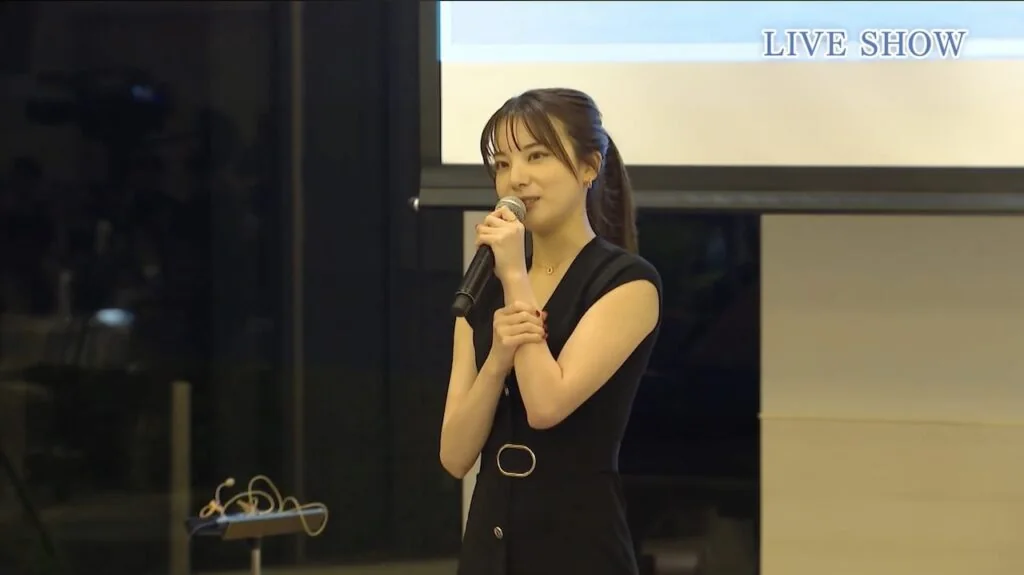
The intersection of conference and music
The October 27, 2025 stage was more than a musical performance. It was a practical experiment expanding political, social and, above all, environmental discussion into an emotional register. Miyu’s music opened listeners’ ears and hearts together, becoming a search for ways to communicate beyond data and logic.
Environmental issues can no longer be resolved through academic discussion alone. Without felt empathy, moving toward action is difficult. When music supplies that point of connection, we encounter more than a way to remember an event: we see the possibility of translating it into everyday practice.
Miyu’s performance vividly outlined one such possibility. At the intersection of environmental discussion and cultural expression, music works beyond information as a language of empathy.

KANO MIYU changes the mood from afternoon to evening — Hanno Music Festival 2026

KANO MIYU returns to Fukuoka through song — Daikoku Festival 2026
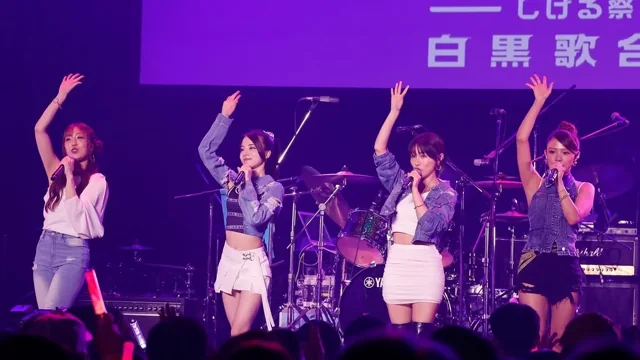
KANO MIYU and SIS at the crossroads of Kuro Fes 2026

sis in Atami, Part 2: Evening Falls on the Same Stage

sis in Atami, Part 1: Thirty Minutes Between the Sea and Summer Light