REVIEW · Concerts & Live
KANO MIYU’s “TERMINAL” in Seoul: The Same Songs Reach Another City
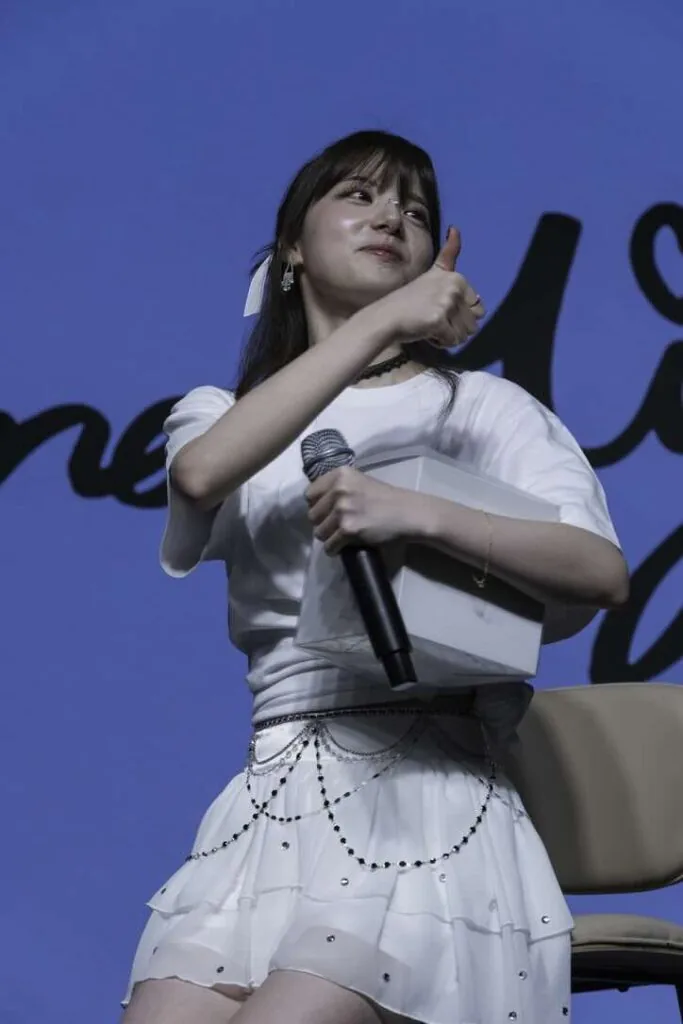
KANO MIYU’s Seoul solo concert on 3 August 2025 joined music with close interaction. Compared with Tokyo, its own structure and immediacy stood out. Tokyo’s standing format conveyed heat; Seoul began from a seated arrangement but shifted naturally to standing at Miyu’s lead, revealing a fluid atmosphere.
Atmosphere and Admission
Admission preparations gathered pace from 6 p.m. Collecting tickets and checking seats brought anticipation and nerves. Seating and organized staff guidance made entry smoother than in Tokyo, without congestion. Before the start, planned activities and fan support gradually filled the room with energy.
Dimmed lighting focused attention on stage equipment and screens. The seated audience stood as Miyu appeared and introduced the first song, heightening immersion and a sense of unity.
Setlist and Structure
The 13 songs were one fewer than Tokyo’s 14, but carefully chosen and positioned. Familiar songs for Korean fans opened the show rather than original material popular in Japan, drawing listeners in immediately.
Concert setlist
Running order
- Password 486 The opener was the song with which Miyu won on Korea–Japan King of Singers. Familiarity and emotional associations prompted immediate applause. Dynamic movement, expressions and eye contact from the front conveyed its feeling.
- Mahou Shoujo Well received in Tokyo, the second song drew an even stronger Seoul response. Singing and dancing emphasized its buoyancy and imagination; later choruses and applause made it collaborative. Introducing its Japanese pronunciation also naturally connected differences between Korean and Japanese fans.
- HELLO, TOKYO Tokyo’s opener appeared in the middle here, adjusting rhythm and tension to create a different experience. Listeners stood and responded from the introduction; lighting, poses and gestures focused attention and deepened involvement.
- Makenaide Korean lyrics brought emotional communication to the fore. Singing in both languages created a particularly Seoul experience.
- Angel Night Electric guitar and bass stood out alongside Miyu’s voice. Singing and applause during the break increased the energy.
- Time of Our Life Chosen through fan recommendations, the DAY6 cover used a guitar-centered arrangement and nuanced feeling. Most listeners knew it, allowing a natural response and closer stage–audience contact.
- Shake it Off Active movement and audience participation sustained the energy. Listeners moved with the rhythm, lifting the atmosphere.
- Baby Paradise (random-box selection) Miyu invited an audience member to choose through the random-box activity, maintaining interest and suspense. Its lively melody and spontaneous interaction highlighted the strengths of live performance.
- Ai wo Tsutaetaidatoka Familiar from Hanil Top Ten Show, it combined live singing with audience voices. Expression and response flowed naturally, sustaining concentration.
- Kuroi Shinzo Recording was permitted from this song onward. Phones and cameras captured the performance and staging, allowing fans to share the sensory experience digitally.
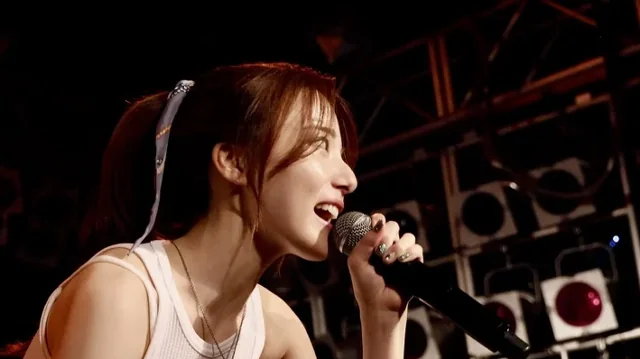
- TERMINAL (Korean version) The delicate new song about meetings and partings was a highlight. Its Korean version carried special meaning locally; lighting, sound, expressions and gestures deepened the feeling and immersion.
- Re:Road (encore) Encouraging phone lights linked audience and stage. Lighting, music and participation formed an emotional climax, with listeners illuminating the room to the melody.
- Ai no Battery (Japanese version, encore) A song representative of her group activities closed the concert. Responses and singing kept the energy alive to the end.
Artist–Audience Interaction
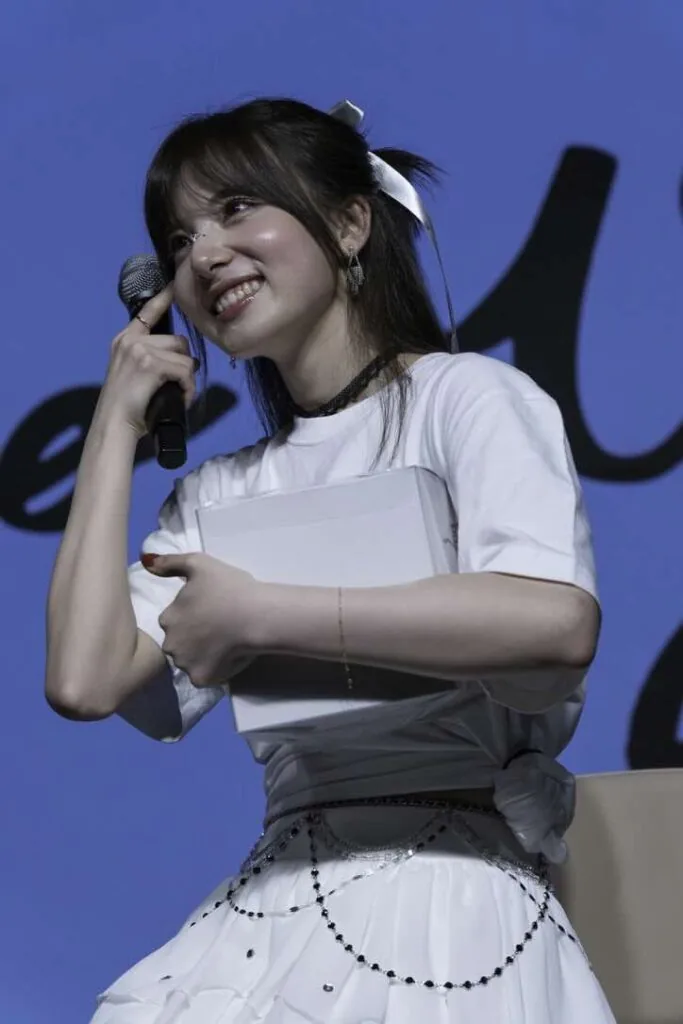
Random selection, phone lights and changing chants made spectators co-creators. Miyu’s immediate response to the new “Miyu-hime” chant heightened engagement.
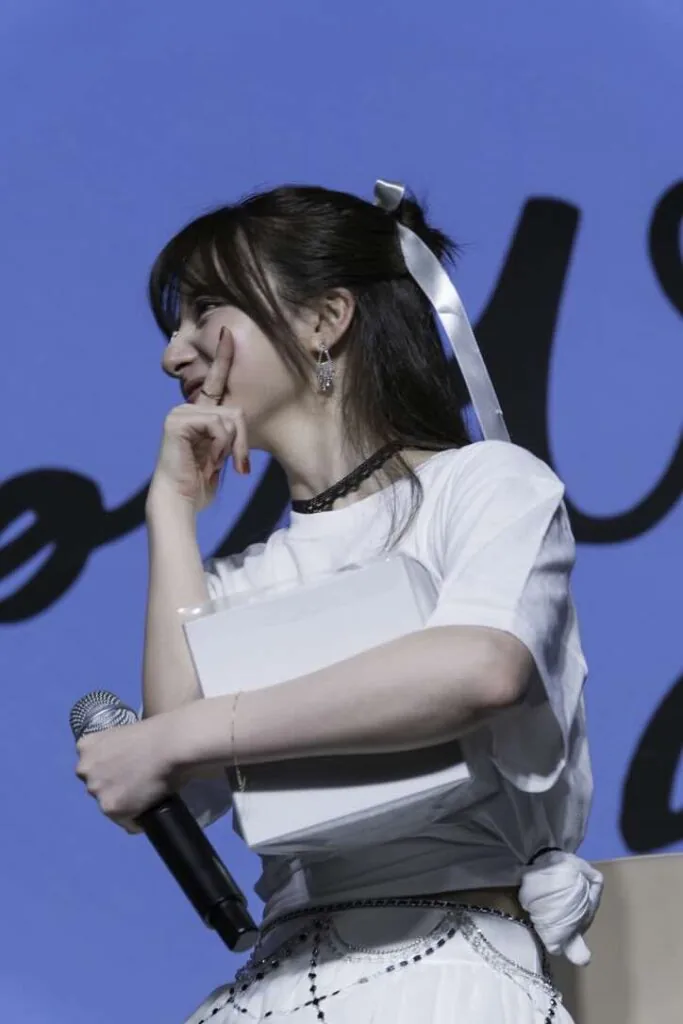
Moving around the stage to suit each song, she adjusted gestures and expressions to the response, creating an almost one-to-one immediacy. Interaction made listening into a complete experience.
The Post-show Talk
Unlike Tokyo, seats were already in place, so fans could remain for the talk. After sharing her own thoughts, Miyu drew submitted questions at random, mainly about music, differences between Korean and Japanese shows and improving Korean pronunciation.
The last question asked what inspired her frequent rabbit character. She explained childhood memories and the process of choosing it in detail. Photographs were allowed, but video and online sharing were restricted, preserving the intimacy of the occasion.
Assessing the Performance
Song order, staging and participation connected organically. Shifts from sitting to standing and different responses created another immersion from Tokyo, with distinctive pacing. Pitch, expression and use of space were balanced; interaction strengthened the emotional arc.
Selection reflected Korean familiarity and early engagement. Recommendations and the random box encouraged participation, while encore placement and phone lights deliberately constructed a climax.
What the Seoul Show Offered
The concert combined interaction, strategic structure and changes of pace into an integrated performance. Seating, standing, song order, participation, staging and lights worked closely together. Its immediacy and professionalism stood alongside Tokyo’s, highlighting Miyu’s live ability and communication with fans.
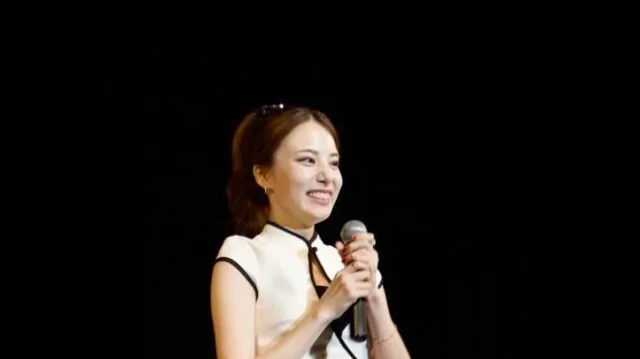
KANO MIYU changes the mood from afternoon to evening — Hanno Music Festival 2026

KANO MIYU returns to Fukuoka through song — Daikoku Festival 2026
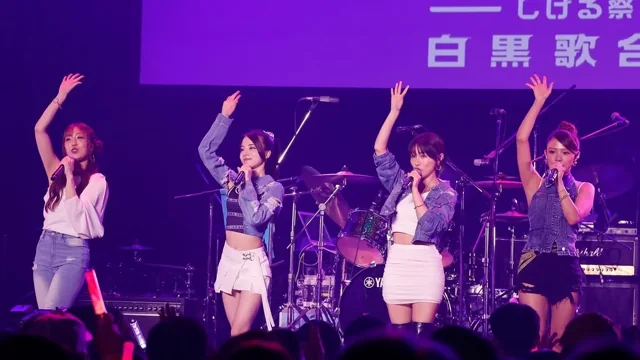
KANO MIYU and SIS at the crossroads of Kuro Fes 2026

sis in Atami, Part 2: Evening Falls on the Same Stage
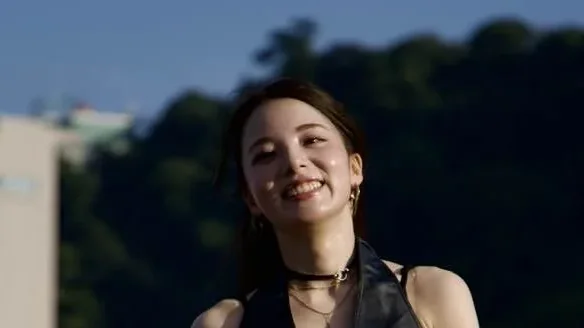
sis in Atami, Part 1: Thirty Minutes Between the Sea and Summer Light