REVIEW · Songs & Albums
Tommy Emmanuel’s “Mombasa”: Rhythm Across the Guitar’s Surface
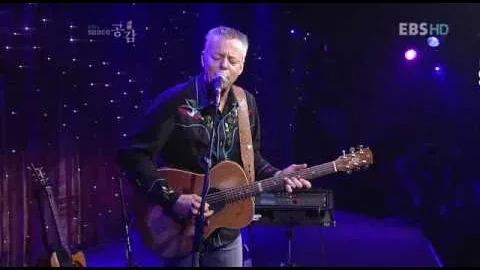
Tommy Emmanuel’s “Mombasa” turns an ear accustomed to guitar as melody toward another direction. Flowing notes and percussive sensations move together, asking how many expressions one instrument can make. Yet it cannot immediately be called a perfect translation of a continent’s scenery. Even if a city’s name opens imagination, the starting point lies in concrete movements of instrument and hands rather than explanations of a culture.
Movement shared by strings and body
Melody and rhythm do not retreat behind each other. While following notes, the contact creating sound catches the ear; while surrendering to rhythm, melody offers direction again. Hearing several instruments within one guitar begins to describe that relationship. Unlike increasing actual instruments, roles shift across the same sonic surface and space widens. Following the transitions naturally keeps the ear busy.
Percussive movement is not merely decoration during melodic rests. It also leads the piece onward and alters following notes. Hearing guitar only as a vessel for beautiful timbre can miss this. Attending to the texture of impact as well as pitch and length brings the whole body of the instrument into performance. Following differing textures as they connect and respond loosens the border between melody and percussion. The guitar gains more ways to speak.
Not making a city name the answer to scenery
The title suggests a distant place without requiring confinement to vast nature or vague exoticism. A city contains many lives and sounds; one instrumental cannot represent them all. Leaving distance between title and performance allows a freer encounter. Imagined scenes need not be the sole meaning, but personal images changing with rhythm. Imagination grows richer while assertions about a place diminish.
The visibly well-used guitar also attracts attention in the video. Its traces need not be exaggerated into evidence about the player’s inner life or past, but remind us that sound comes from more than abstract technique. Physical time of hands contacting instrument inhabits the music. Instead of isolating dazzling moments into a list of skills, noticing how that contact lives within the flow changes the sense of vitality. Technique then becomes a language of movement.
When technique becomes flow
Another listen need not await only the fastest or most complex passage. Small transitions move the piece: a melodic instrument speaks in another texture, then that sensation rejoins the musical flow. The surprise of one guitar playing several roles lasts when those roles connect. Distant scenery imagined from the title can be set aside briefly. A nearby dialogue among hands, wood and strings produces a sufficiently broad movement on its own.