REVIEW · Songs & Albums
Kenshi Yonezu’s “Lemon”: A Taste Memory Cannot Erase
Karaoke song codes
Loss in Kenshi Yonezu’s “Lemon” is not organized into a past event. A person leaves, but memory suddenly returns as present sensation. The lemon suggests this state: absence touches like a vivid taste recognized bodily before a long explanation of what was lost. Its sadness differs from orderly recollection. Someone felt again even when thought forgotten overlaps with one’s continuing life after parting.
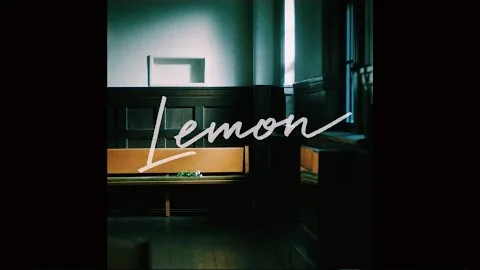
KENSHI YONEZU — Lemon
Memory returns before explanation
Some memories remain closer to atmosphere, smell or taste than precise scenes. Words blur them, but a small stimulus returns them astonishingly clearly. Following the title makes loss an experience not fully addressed logically. Lemon need not be a symbolic dictionary, but a powerful, enduring sensation: a route for absence to touch present body and life beyond abstraction.
This does not preserve longing only as beautiful memory. Pleasure and pain arrive together when someone precious returns. Clear memory also reconfirms their disappearance. The song does not stitch both into a lesson. It retains the contradiction of valuing shared time while finding recollection difficult. Sadness becomes more than identification: it examines how memory returns personally.
A voice calling absence
Vocal pitch and emotional changes move that contradiction. Someone calmly enduring memory to continue speaking seems unable to organize feeling as appeal grows. Hearing only range difficulty or skill blurs loss’s grain. What matters is why quiet words cease to suffice, not how high the voice rises. Following the changing amount of feeling carried brings intensity close.
Repetition re-experiences an inability to forget. A returning emotion does not mean nothing changes. After earlier sentences, the listener arrives with accumulated memory and absence’s weight. Yet repetition does not automatically resolve sorrow. The song does not equate comfort with erasure. Refusing to treat continued remembrance as a failure requiring immediate escape creates another kindness.
How sadness remains
Speaking loss need not reach complete recovery. Pain and sudden returning memory can coexist with continuing life. Forgetting is not the only way forward; that thought remains with the vivid sensation. A familiar melody offers words to call absence rather than remove it. A voice accepting both no longer beside me and still within me holds sadness in a long present.