REVIEW · Songs & Albums
Tracy Chapman’s “Fast Car”: Travel’s Speed and Life Left Behind
Karaoke numbers
The car means possibility before speed: leaving and changing life together. Yet travel is not merely romantic. Care, work and survival bring cost and responsibility beside desire. The weight of difficult mobility clarifies the car’s attraction. Room to depart matters before destination.
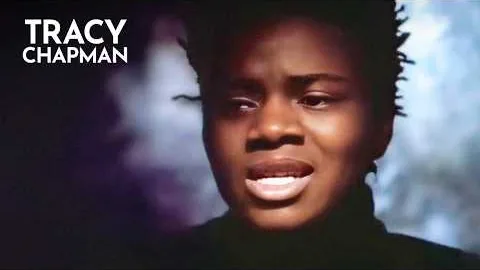
Tracy Chapman - Fast Car (Official Music Video)
The Planner’s Particular Life
Poverty alone cannot summarize the speaker. Family forced choices between schooling and livelihood: supporting someone preceded relying on someone. That order prevents vague rebellion or adventure. New-life desire asks for another way of living more than abandonment of all ties. Escape comes from knowing life too well.
Recurring guitar supplies steady motion while conditions resist change. Calm narration does not reduce emotion; accumulated events explain choices beyond isolated dramatic reactions. Melody resembles driving and difficult daily repetition. Hope and stasis share one movement.
When Leaving Together Changes Meaning
Togetherness promising change is tested. A companion opening the future becomes a question of who bears responsibility. Love cannot rescue outside reality: having someone and sharing living differ. Dreaming is not evidence of naivety. Who actually works to sustain the dream reveals imbalance.
Later frustration does not erase the car’s brief liberation. Remembered possibility helps judge a changed present, beyond a failed plan’s trace. Hearing initial excitement again no longer permits identical expectation. Circumstances carried by melody change more than melody itself. The same car faces different emotional directions over time.
Life After the Fast Car Stops
The question exceeds where happiness lies. Does movement alter labor and care, and does a companion remain an ally? A person trying to build life, not a stylish speeding car, remains central. Vehicle speed cannot replace living, nor invalidate wanting another life. Chapman holds both, refusing to diminish dignity within broken dreams.