REVIEW · Songs & Albums
JUNG YUP’s “Wae Ijeya Wanni”: The Warmth of Welcoming a Late Arrival
Karaoke codes
The meaning of JUNG YUP’s title “Wae Ijeya Wanni”—why have you only come now?—changes with its expression. It might reproach someone for being too late or exclaim with delight at finally meeting. Rather than fixing the question as regret over past love, we can hear this song welcoming a late arrival. The soft voice leaves a sense of the heart inclining toward someone now in front of it, rather than heavily calculating time spent waiting. Even remembered as part of the I Can Hear Your Voice soundtrack, the song brings close the moment one person changes a day’s expression before it summarizes a drama’s plot.
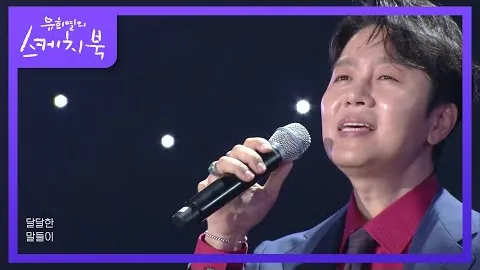
JUNG YUP — Wae Ijeya Wanni [Yu Huiyeol’s Sketchbook] | KBS broadcast, April 9, 2021
A question that begins like reproach and turns to welcome
“Only now” contains time spent waiting, but not all of it need be read as regret. Sometimes meeting someone makes us rename the life before them as waiting. What was simply one day after another becomes, in retrospect, a journey toward that person. The song’s question connects to that rearrangement of feeling. Asking why someone was late actually communicates happiness that they came. This small mismatch is closer to everyday conversation than a logical account of love. When delight is great, even a question can convey an exclamation.
The title’s direct address also creates intimacy. Rather than explaining love from outside, it speaks to someone present now. Listeners are placed near the conversation instead of receiving an explanation of the speaker’s feelings. JUNG YUP’s gentle singing makes room to receive the words rather than sharpening the question’s edge. Emotional richness need not always mean great sadness. The welcome that changes the expression at the end of a sentence simply because someone is there is also a delicate feeling. The song shows how such small changes can continue within melody.
Looking back from where waiting ends
Being a drama soundtrack adds previously seen faces and scenes. Listeners who remember its characters getting to know each other can hear the title’s question through that relationship. That connection does not require determining the intended use in a particular episode or scene. Screen memory is one route into listening, not a rule deciding the song’s whole meaning. Even someone who has not seen the drama can receive the independent feeling of welcoming a person met late. The music evokes a scene while leaving language open to personal encounters beyond it.
Singing about waiting involves more than measuring how long someone endured. What they see and say after the arrival makes that time new. The question in “Wae Ijeya Wanni” reads less as charging the delay to the other person than as an indirect way of expressing delight in meeting now. Tender longing and bright anticipation therefore need not exclude one another. Some regret over missed time need not cover present excitement completely. Hearing both expressions in the title opens the song to varied encounters rather than narrowing it to a ballad of loss.
A voice that remains beyond the drama’s memory
Reading the title after listening reveals a question that does more than demand an answer. Even without an exact explanation of why someone came or was late, the fact of their presence here is welcome first. JUNG YUP’s voice preserves that order of feeling. Instead of revealing every circumstance of the waiting or guaranteeing the future relationship, it holds the experience of words sounding slightly different when facing someone. That expression can be heard anew within a familiar soundtrack memory. The song gains its warmth where saying “I waited so long” quietly becomes saying “I am glad we met.”