REVIEW · Songs & Albums
chay’s “Anata ni Koi wo Shite Mimashita”: An Awkward Confession in Familiar Pop
Karaoke song numbers
chay’s “Anata ni Koi wo Shite Mimashita” places a seemingly first love within familiar retro pop. The music feels known; the narrator cannot expertly manage actions or feelings. The title suggests trying rather than declaring a finished relationship. Bright music receives moments when love does not go to plan, making awkwardness a continuing impulse rather than failure. Old sounds meeting a present confession create vitality. Familiar music does not make the heart experienced.
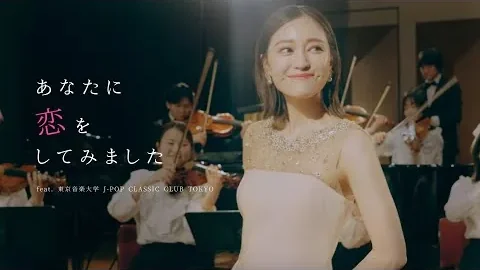
【MV】chay - あなたに恋をしてみました feat. 東京音楽大学 J-POP CLASSIC CLUB TOKYO
Familiar Old Sounds, Awkward New Feelings
Retro suggests a completed beauty from the past, but here it is not merely scenery for remembered love. It moves a heart uncertain of what comes next. A comfortable melodic flow meets feelings that resist prediction. Orderly music and a person faltering before someone overlap, using an older form to create unfinished present time.
Equating brightness with everything going well removes that tension. Wanting to look impressive does not guarantee matching behavior. The difference gives the song bounce: a prepared yet awkward confession feels closer than a flawless one. Music does not judge it heavily; listeners follow within the beat rather than assess from afar. Its brightness leaves even small mistakes open to possibility.
A Bright Voice Can Be Cautious
chay’s clear tone avoids an oversized declaration, sounding like careful words about an inner change. Greater hopes can enlarge awkward moments; a small response can redirect feeling. Heard with those shifts, charm comes from a person’s expression rather than decoration. Knowing the affection does not mean knowing how to convey it.
An accessible melody makes the words quickly our own, but singing fluently differs from managing romance easily. Music has a next phrase; relationships lack fixed answers. Familiar ears meet someone whose outcome is unknown. The first attempt to voice a feeling returns a little awkwardly each time.
Speaking Before Becoming Good at Love
Viewers may recall its role as the theme for Date: Koi to wa Donna Mono Kashira, but images are not essential. Prepared words going astray before someone are recognizable beyond television. The ending leaves not proof of romantic skill but someone who has said their heart moved. Continuing retro music supports that attempt without guaranteeing results, suggesting we can begin before knowing how to succeed.