REVIEW · Songs & Albums
byebyesea’s “Byeolbichi Naerinda”: The Night Beyond a Familiar Chorus
Karaoke numbers
Many know byebyesea’s “Byeolbichi Naerinda” first through a short chorus. The stronger its association with sparkling scenes, the further the full song’s night recedes. From the beginning, starlight is not merely decoration celebrating beauty: it descends into a dark city, memory and loneliness. Recognition’s pleasure need not be abandoned to hear before and after. The same chorus returns at different temperatures depending on the night preceding it.
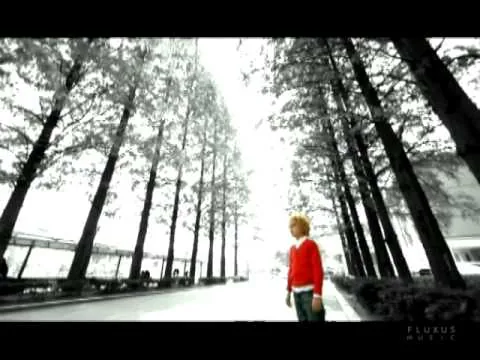
[MV] byebyesea — Byeolbichi Naerinda
Knowing the Chorus Is Not Knowing the Whole Song
An excerpt gains scenes different from its source; that need not be wrong. Treating the scene as the whole, however, hides other sides. What the song looks at before its familiar hook matters. Meeting light after darkness differs from using music behind an already dazzling scene. Melody remains while emotional ground changes, revealing new expression in known sound.
Calling starlight hope cannot explain the landscape completely because its destination remains important. In a dark city, light may reveal part of darkness differently rather than erase it. Beauty need not wait for loneliness to disappear; both share a scene. Keeping their relationship prevents brightness becoming simple optimism. Visible light does not mean everyone there is well, and that difference enlarges the resonance.
Different Vocal Textures Within One Night
Contrasting falsetto and full voice give the landscape different distances. Changed texture can make words intimate or spreading outward. Rather than ranking emotion, we can hear how they divide the same space. Vocal shifts move the ear’s position. Listening asks which sonic relationships produce dreaminess rather than stopping at the label. The familiar melody holds more than one vocal expression.
The repeated chorus lets people sing even nonverbal sounds, moving body and ear beyond exact understanding. Repetition need not erase earlier feeling. After the whole song, the easily hummed passage also carries night’s memory. Different roles within different scenes make familiarity an open place. Excerpted and complete experiences coexist; noticing their difference makes recognition an entrance rather than a closure.
Meeting Darkness Again Beyond Bright Scenes
Another listen can await sparkle while dwelling in preceding darkness. There is no need to erase playful quotations: place the song’s other night beside them. It shows identical sound reaching different scenes while retaining its own time beyond quotation. Remaining light need not prove all darkness has gone; it may mean briefly seeing something else within it. The familiar chorus returns to a wider night.