REVIEW · Songs & Albums
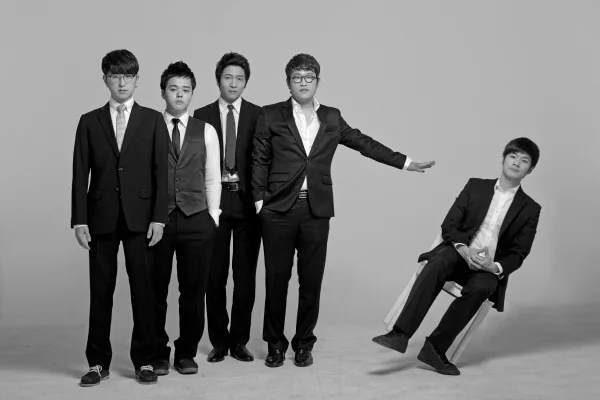
Kiha & The Faces’ “The Moon Is Waxing, Let’s Go”: Words That Move a Body
Karaoke numbers
The title “The Moon Is Waxing, Let’s Go” places a landscape beside an action. The moon changes without consulting human intentions, while an invitation to go waits for somebody’s response. How does hesitation end while time outside keeps passing? Kiha & The Faces turn that question into words that can be spoken repeatedly.
The song was performed live before appearing on the band’s 2009 first album, Living Without Incident. The label’s introduction identifies it among six songs already presented on stage. That history helps explain the fit between a brief invitation and physical movement. Understanding something once and joining in with it repeatedly are different experiences.
A Brief Invitation to Somebody Else
“Let’s go” requires another person. It opens outward more than a private resolution does. Even without a sentence explaining the destination, speaking the invitation creates a possibility of movement between two people. The moon reminds us that time continues beyond their brief exchange.
Repetition prevents the invitation from ending as a single transfer of information. We first hear the meaning, then the manner of speaking, and eventually find we can say it ourselves. Rather than explain the thoughts of someone preparing to leave, the song invites listeners into an action through which a decision might emerge.
When Korean Speech Becomes Rhythm
The label’s album introduction discusses both the influence of older Korean popular songs and the band’s speechlike singing. Here, individual pronunciations and sentence endings deserve attention. When everyday language enters a song, inflections and breaths that ordinarily pass unnoticed become prominent.
This kind of singing uses the space between speech and music. Familiar words bring it close, while repeating those words within a set progression makes them strange again. Thinking of the accompanying gestures makes that movement clearer. A mouth communicating meaning also belongs to a body producing rhythm.
Departure Before Destination
The journey from live performance to album discourages treating the song solely as a fixed text. Words can pass between performer and listener, and a repeated invitation can prompt movement in that space. Taking the phrase into the body lasts longer than the moment required to read and understand its title.
What remains is a brief phrase someone can offer again, rather than an elaborate declaration about departure. Even when moving seems to require complete certainty, a spoken invitation can arrive first and let the body follow. The moon keeps waxing, and the song speaks once more within that passing time.