REVIEW · Songs & Albums
Justin Bieber’s “Baby”: A Chorus That Cannot Let Go
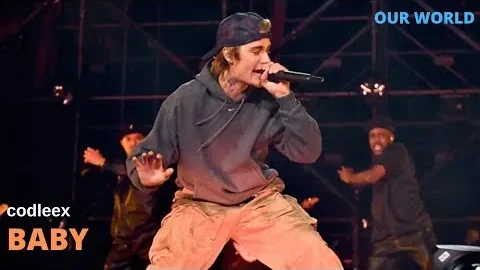
Karaoke song codes
In Justin Bieber’s “Baby,” separation does not arrive in deep silence. The buoyant rhythm keeps moving, and the voice returns to a short address to the other person. That brightness does not make the bewilderment trivial. Instead, a gap appears, as though only the narrator cannot accept that their shared time has suddenly ended. What holds the song is less a long account of first love’s importance than one endearment he still believes available before a finished relationship.
An endearment repeated instead of a name
The chorus does not produce new reasons to persuade the other person. Repeating the address reveals not an excess of things to say but an inability to find the right next sentence. That is why the impasse is recognizable without detailed breakup circumstances. Its title being a familiar endearment rather than a name also matters. The narrator leaves vanished intimacy inside that word, continuing an unanswered call over the rhythm. A simple chorus creates the empty place of a relationship.
Bieber’s bright, light voice lays unworn emotion upon the repetition. Rather than the weight of recollection after long suffering, its tone struggles to believe what has just happened. The vitality is not decoration separate from sadness. It sounds like movement erupting before feelings are organized, feet tied to the same spot whenever the chorus returns. Without a declaration of forgetting or mature farewell, the pace of a first breakup remains: reaction precedes understanding.
A present voice and a past first love
When Ludacris’s rap enters the album version, the temporal position of first love changes. While Bieber receives the relationship’s end as present, the rap creates a place for recalling youthful love. The difference exceeds a simple division of innocence and maturity. More clearly, the same emotion is everything to someone experiencing it and a scene to someone looking back. The collaboration widens the perspective by that distance.
The recollection does not resolve Bieber’s feelings. The song returns to the familiar address and repetitions, without arranging the earlier story into a lesson of healing. The rap’s experience and chorus’s bewilderment therefore remain without canceling each other. Knowing that something will pass for everyone does not diminish present loss. Easily joining the chorus, listeners encounter the persistence of a heart unable to release a relationship within that light participation.
A short reply that does not end
What remains is not an evaluation of first love’s scale. The short endearment is simple enough for anyone to say, yet the narrator can no longer use it as before. A buoyant rhythm supports that difference to the end. Setting aside the expectation that sadness needs heavy sound reveals the discomfort within the brightness. A relationship has ended while the form of address has not changed: that mismatch invites another hearing of the familiar chorus.