REVIEW · Songs & Albums
Sharp’s “After Play”: People Left Between Stage and Audience
Karaoke numbers
The song watches space after events. What remains when people leave the place of light and applause? Theater also becomes time after togetherness. Jazz-inflected melody and restrained voice avoid declaring immediate tragedy, inviting a longer look. Ending and a lingering heart create loneliness together.
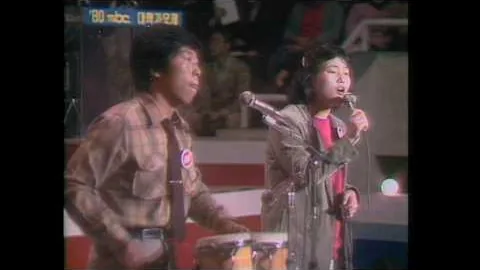
[4th MBC University Song Festival, 1980: Silver Prize] Sharp — After Play
Where Applause Has Gone
Performance draws eyes to actors and story; afterward the center disappears. Vacated seats and a used stage no longer prove anyone’s role. Space makes ending concrete. A recently full place recalls more than direct emotional explanation: absent people appear through what remains.
Stage and seats face one another from different positions. Changing direction changes emptiness. Neither side alone owns solitude; performers and watchers both face afterward. Without assigning a specific real actor, shared vacancy across viewpoints broadens the song.
When the Viewing Position Changes
Static scenery does not stop music. Flexible jazz-like melody keeps moving. With an empty theater, it suggests the world proceeding while feeling lags. Slow heaviness is not the only route to resonance. Rhythmic passage clarifies stillness, resisting one emotional color.
Restraint differs from indifference. Not loudly gripping an ended event makes ending close. Without explaining every feeling or adding a lesson, empty scenery speaks. Listeners can overlay other endings: separation or a busy event’s final night before feelings are understood.
Music Moving After the Curtain
A curtain does not end every participant’s time simultaneously. Roles end before some feelings appear; space does not hide them. Rather than instruction to overcome, the remainder permits looking back once. Continuing music does not hurry the final gaze outside.