FEATURE · 칼럼
After XMF 2026: What Korea–Japan Music Exchange Needs Next
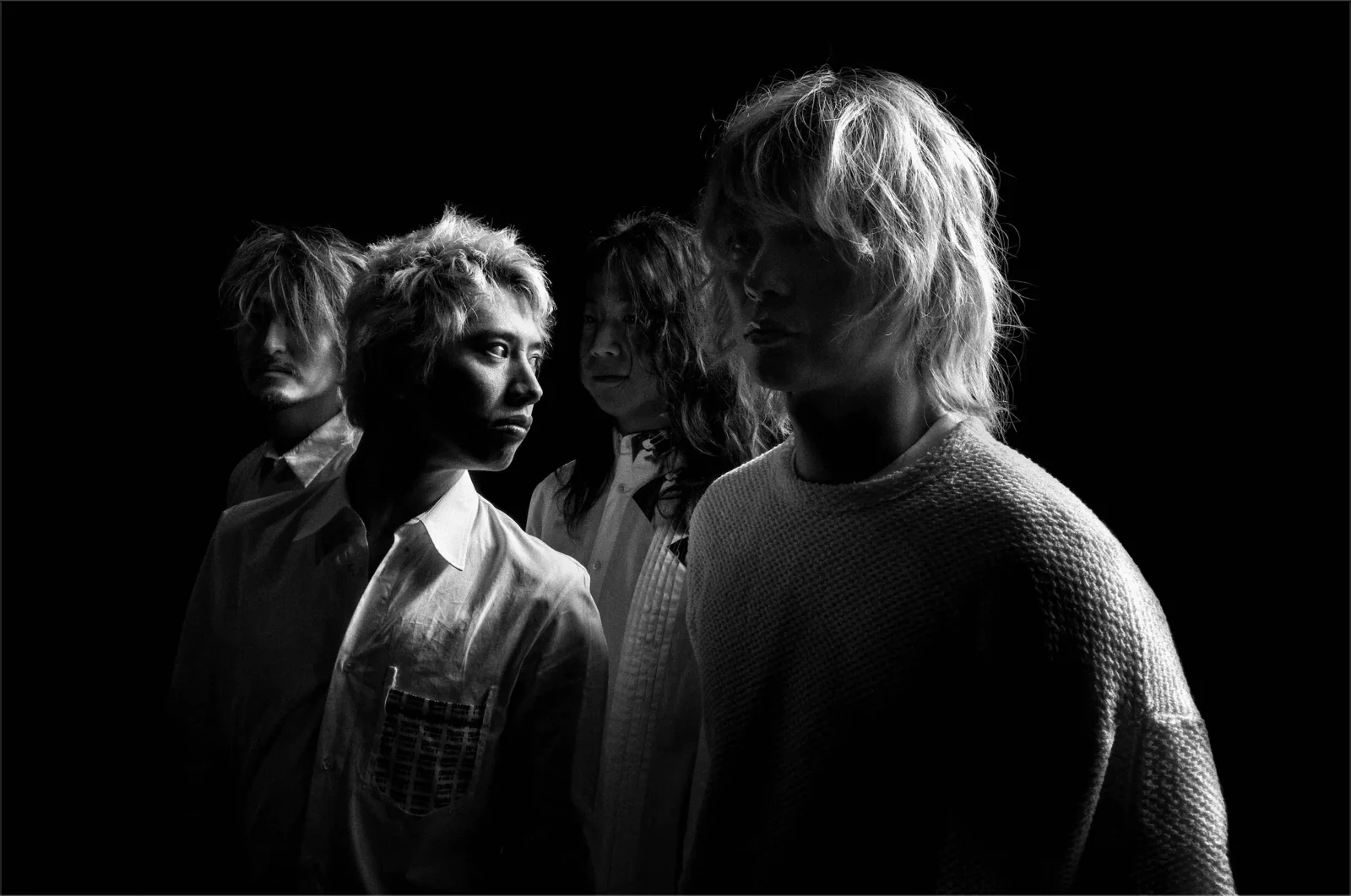
Music exchange between Korea and Japan is not accomplished merely by putting both countries’ names on the same poster. When an audience member who came for a favorite artist discovers unfamiliar music, then carries that interest into another listen and another show, exchange becomes part of everyday life beyond the stage. That connection is what deserves attention after XMF 2026.
Held on October 3–4 at Paradise City in Incheon, XMF 2026 created a stage shared by Korean and Japanese music. The co-organizers announced that 22 acts took part across the two days and approximately 40,000 people attended. Those figures convey the scale of an inaugural event. Yet a large gathering and an enduring connection between two music markets are different questions.
Lineups and attendance are important starting points when discussing a festival’s achievements. If the ambition is to become a platform connecting Korean and Japanese music, more specific questions follow. Does a name first heard at the venue remain on a listener’s playlist? Will a Japanese audience member who discovered a Korean band seek out its next show? Can a Japanese artist’s Korean appearances become something more sustained than a single special visit?
From One-Way Market Entry to Listening to Each Other
A familiar expression used to describe music exchange between the countries has been “entering the Japanese market.” From BoA and TVXQ to later generations of K-pop artists, Japan has been an important setting for activity. Japanese-language releases, local broadcasts, record-label partnerships and tours established those routes.
The result was more than a record of performances. Artists developed relationships with listeners who continued to follow Korean music, waited for new releases and returned for the next tour. Sustained cross-border activity requires precisely this repetition. Repeated encounters build a market more effectively than a single burst of attention.
The flow in the opposite direction also matters. Korea has long had fans of Japanese rock and anime music; online platforms now provide additional routes to new Japanese sounds. One listener may first encounter an artist through a theme song, another through a short performance clip. Discovery is no longer confined to a single genre or medium.
In that context, a joint Korea–Japan festival means more than the convenience of seeing popular artists from both countries at once. It places listeners who found their music through different routes in the same space. It creates conditions in which new listening can emerge between established fandoms.
Why Connections Between Bands and Live Scenes Matter
Adding the movement of bands and live music to exchange centered on idols and large fandoms can broaden the music traveling between the two countries. Trading famous names is different from engaging with each other’s music scenes. The picture gains depth when it includes what bands working in smaller venues are making and the audiences they meet.
For a band, a live show is not an extra service attached to a recording. The way sound is made, the interplay between members and the flow between songs are part of the music. A single performance can spark interest in an unfamiliar act, or reveal an appeal that recordings alone did not convey.
That gives festivals featuring multiple acts a distinctive possibility. A ticket bought for one artist becomes a chance to hear entirely different music. A set someone would not have deliberately sought out before becoming a fan becomes part of their route through the day.
The important thing is not to consume that chance encounter solely as an achievement for the event. Audiences need an easy way to identify a newly encountered band, find its music and live archive, and learn about the next performance. If the path after discovery is blocked, interest sparked onstage can easily remain a passing impression.
Turning a Star Lineup into New Discoveries
Well-known artists can draw an audience to a new festival. But if the event becomes a succession of waits for famous names, opportunities to discover unfamiliar music may be limited. Between who appears and whom the audience actually hears lie questions of organization and curation.
Running order, movement between stages, artist introductions and the structure of waiting time all affect the audience experience. Whether a first-time encounter remains a name outside someone’s interests or becomes an act they want to see again is not decided by the poster alone.
This is also where music media have a role. Going beyond an appearance announcement, coverage can explain what a band plays, where a first-time listener might begin, and which parts of its previous work merit attention. That requires writing which does not assume every reader is already a fan of a particular artist.
Language, too, involves more than translation alone. Searchable names, links to official channels and accessible explanations of performance and release information need to work together. What matters is creating a route to the next action at the moment interest arises.
The Connection Must Reach Smaller Stages Beyond the Festival
For interest generated on a large stage to turn into working activity, artists need venues where they can appear next and partners with whom they can work. Between a one-off festival booking and sustained activity abroad lie practical conditions: scheduling, travel, production budgets, publicity and on-site operations.
Top-tier artists and bands still unknown in the other country need different connections. An established act may need a stage that reaches more people. For a newer band, a repeat booking even at a small venue, someone who can explain its music, and a local partner to prepare the next visit may be more pressing.
That is why it would be limiting for Korea–Japan exchange to remain confined to major events. If a band introduced at a festival goes on to play a small live venue, share a bill with other bands and meet new audiences, exchange becomes part of musicians’ actual working lives rather than simply the name of an event.
It must extend beyond introducing artists from one side to the other: further encounters need to happen on smaller stages in both countries. As those connections repeat, cross-border performances can move from being exceptional occasions toward a sustainable part of an artist’s work.
What to Examine After Attendance Figures
Ticket sales alone cannot adequately explain the results of exchange. We need to ask whether first-time visitors return, whether listeners explore more work by newly discovered artists, and whether bands begin sustained activity in a new country. These criteria consider short-term commercial performance alongside longer-term relationships.
Streaming and social-media responses can be useful, but an increase should not immediately be attributed to the festival. Other activities, releases, broadcasts and online exposure contribute as well. Numbers can make a question more concrete; they cannot explain every part of the process in its place.
Conversely, the absence of large immediate figures should not erase the meaning of small encounters. A first visit to a venue, a newly remembered band name or an audience member promising to return can mark the beginning of long-term activity. We need to look at relationships developing over time, rather than at one result alone.
The Next Connection Matters More Than the Next Edition
XMF announced plans through an official notice for Tokyo in July 2027 and Incheon in October 2027. If the idea of moving between the two countries leads to actual movement by performers and audiences, there will be more regular points of contact with Korea–Japan music exchange.
An additional host city, however, does not by itself complete a two-way exchange. Beyond staging events under the same name in different cities, what matters is how a discovery at one performance affects choices at the next. A relationship must continue in which audiences anticipate new artists and artists prepare to return.
Keeping the door open to new bands is essential as well. Repeating only the famous lineup that established the first edition would not fully reveal the platform’s potential. A cycle is needed in which familiar music draws listeners and their attention also reaches music they do not yet know.
The question left after XMF is ultimately this: once the shared stage is over, do people continue seeking out each other’s music? If answers accumulate through the next release, the next performance and the next city, Korea–Japan music exchange will acquire a meaning far more concrete than a slogan on a poster.