REVIEW · Songs & Albums
Seiko Matsuda’s “Aoi Sangoshou”: Summer Opened by a Voice
Karaoke song codes
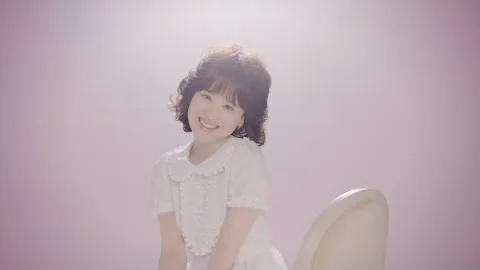
Seiko Matsuda’s “Aoi Sangoshou” opens up the freedom of a summer landscape through the voice before describing its scenery in detail. Following its clear, extending phrases, the heart seems to turn toward one person while the field of vision widens. Love feels like a joy to show rather than a secret to hide. The title’s blue is less a seasonal decoration than the color of that feeling. Freed from a fixed image of a past idol, the song’s brightness conveys the vivid sensation of the world suddenly expanding when we like someone.
Seiko Matsuda — Aoi Sangoshou — Blue Lagoon
A voice arriving before the scenery
The sea suggested by a coral reef is unlike a closed room. Images of horizon, sunlight and wind prevent love from staying entirely inside one person. The title need not be read as a record of a real place. What matters is how that landscape meets a moving heart. As excitement toward someone grows, even familiar surroundings can appear new. The song conveys that change in a bright voice and melody, creating a moment when the view of both the loved person and the world shifts together.
Freshness cannot be equated with obedience or passivity. The feeling in “Aoi Sangoshou” has the initiative of wanting to express affection fully. This voice does not retreat into performed shyness; it declines to hide joy. Brightness therefore feels like choosing to surrender to the present emotion, rather than knowing nothing yet. Love’s seriousness needs no heavy words as proof. One clearly sung sentence and the flow following it communicate the heart’s direction sufficiently.
Initiative within freshness
Matsuda’s vocals combine softness with forward-reaching strength to shape the song’s face. Producing a bright sound differs from flattening emotion. Following the voice’s vitality, excitement keeps moving into new phrases instead of fixing love’s joy in one scene. The openness comes from that movement. Rather than remain distant as if looking at a photograph of the sea, the listener steps into the landscape the song opens. Image and voice broaden perception together instead of explaining each other.
It is natural for memories of old broadcasts or hairstyles to overlap with the song. Explaining it only through such period markers, however, pushes the voice’s still-active power into the background. Even with a familiar video, we can concentrate on the expression of a phrase rather than the splendor of the past. Nostalgia reunites us with scenes we know, but music also draws in people encountering them for the first time. The vitality of “Aoi Sangoshou” is not reserved for those with memories of its era.
A summer alive outside nostalgia
After the song, blue remains less the color of one particular summer than of a moment when the heart opened outward. Some feelings communicate sufficiently through the voice’s direction without a complicated account of excitement. “Aoi Sangoshou” sustains that directness. A return listen may bring the familiar expression of an era, but for a listener with no scene yet in mind it can be a bright landscape opening now. The ability of one melody to summon the past while creating present joy keeps the song moving.