FEATURE · 칼럼
Why Budokan? The Songs and Memories Inside a Sporting Arena
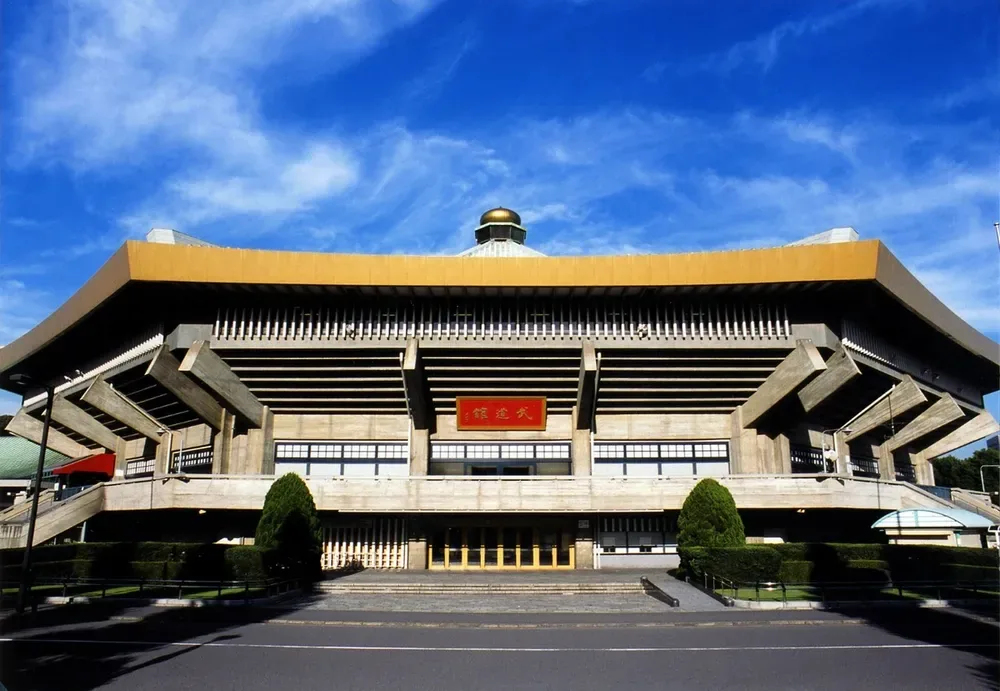
Seeing Nippon Budokan on a concert schedule creates expectations beyond the venue’s size. A first headline show can mark a moment of reflection; for an established musician, it can be a return. The same building means different things depending on the songs and audiences that have traveled toward that day. Seat count alone cannot explain its special place in Japanese music.
Rock enters a building that hosted judo
Budokan did not begin as a concert hall. Its official chronology dates the opening to October 3, 1964, followed by Olympic judo on October 20–23. The martial arts in its name were not decorative: before concerts, it existed to host competition and honor training.
The Beatles’ 1966 Japanese concerts are an essential part of its musical history. The band’s official record describes their first Tokyo Budokan performance on June 30 and five shows in total. A rock band playing a martial-arts venue also provoked controversy. Photographer Shinpei Asai’s recollection on the Beatles’ official website conveys the tension and opposition to that use of the building.
What is striking today is that a now-familiar concert venue once raised entirely different questions: where music could sound, and who could use a space. Songs, electric instruments and an audience awaiting a band entered an arena associated with judo. Sporting and concert memories began accumulating under one name.
Albums that make a venue’s name audible
Listeners need not have visited to recognize Budokan. They may first encounter it in a live album title. Bob Dylan at Budokan and Cheap Trick at Budokan place the venue beside the artist. Place and date become more than recording credits: they name the performance itself. From choosing the album, listeners meet songs played in a particular space rather than finished in a studio.
Dylan’s official website also lists The Complete Budokan 1978. Released in 2023, the recordings invited another look at his 1978 Japanese performances. Long after the shows ended, the same place-name brought the songs back. That is why the music history cannot be explained by the building alone. Recordings leave the venue for rooms and headphones in other countries.
Sony Music’s official Cheap Trick profile likewise records the April 1978 Budokan performances and live album. An overseas band naming an album after the venue shows that it is not a milestone solely for Japanese artists. One person recalls an early Japanese visit, another a long-awaited headline show. Its distinctiveness lies in those overlapping memories.
Live albums contain this time lag. Listeners absent from the original audience remember a place by replaying its performance. Later, when attending another artist there, an earlier album title may return to mind. A venue’s reputation is carried not only by those present, but by later listeners who bring the name toward another concert.
The date of a first headline show
Later musicians developed their own Budokan stories. SUPER BEAVER’s official history records its first solo Budokan concert on April 30, 2018. “First” and “solo” matter. Appearing at a multi-act event differs from headlining under one’s own name. The fact that people gathered for that band’s songs remains alongside the venue.
Such dates invite reading backward and forward: which records and shows preceded them, and where the artist went afterward. A ticket can link a fan’s first encounter with a song to its present performance. Those feelings belong to individual concerts and audiences, however; not every Budokan performer has followed the same path.
That is why “first headline show” attracts attention. It does not mean a first performance anywhere, but a day gathering songs already sung in many places under one venue’s name. SUPER BEAVER’s 2018 show remains one date in a long official history. Earlier fans can recall the songs leading up to it; later listeners can discover it by retracing that history. The same date can end one person’s wait and begin another’s retrospective listening.
Before comparing it with larger venues
It is convenient to label Tokyo Dome a symbol of popularity and Budokan one of artistic identity. Actual concerts involve audience size, a place’s memories, tour planning and musicians’ choices together. A building alone cannot determine a performance’s worth, nor does a real career begin only at Budokan. What matters is the show’s role within the artist’s music.
When reading announcements, it is therefore worth looking beyond “dream stage.” What will be sung? What will be offered to newcomers and longtime fans? How will earlier work inform the selections? An old venue’s name carries weight. The songs sounding that day and the audience’s response turn that weight into an actual concert memory.