REVIEW · Songs & Albums
INCREDIVLE’s “Oppa’s Car”: A Chorus Arriving Before the Automobile
Karaoke song codes
INCREDIVLE’s “Oppa’s Car” calls someone over before explaining a vehicle’s performance. The short title displays ownership while sounding like an invitation to ride together. Its confidence is closer to approaching and awaiting a response than showing off for distant admiration. The repeated chorus and cheerful mood make that proposal easy to imitate. Without expanding a car into a vast symbol of modern society, it contains the familiar scene of someone using possessions and speech to make a good impression.
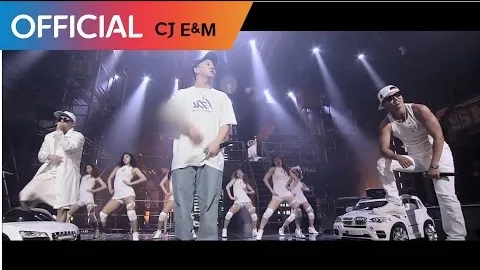
[Show Me the Money 4 Episode 4] INCREDIVLE, Tablo, Jinusean — Oppa’s Car MV
Address beginning before the car is explained
A car is both transportation and something to show. “Oppa’s Car” places both in a short call. Announcing possession also calls someone to share it. Showing off is not an entirely solitary act: a listener’s response continues the scene. The fun arises from not concealing that need. A wish for attention shows behind confidence, allowing the title to sound less like established status than a somewhat exaggerated approach.
Repetition leaves the words’ rhythm in memory instead of explaining the subject. As the call returns, it becomes a sound sticking to the tongue before analysis, and private boasting turns into an expression many can imitate and sing. That shift helps explain popular appeal. Rather than requiring a long story before laughter, short words and repetition admit people to the mood. A simple chorus does not mean no content; it reflects choosing what to explain at length and what to share bodily.
When humor changes the scale of boasting
The song’s expression changes where rap’s verbal flow meets the returning chorus. Rap allows individual style to spread; the refrain gathers differences into one call. Following that back-and-forth is closer to the song than packaging the parts as major genre experiments. There are words to unfold and words to return to and sing together. Balanced roles keep confidence moving instead of hardening into a weighty declaration. Lightness arises less from a lack of serious content than from a form returning to repetition instead of monopolizing speech.
Humor loosens the issue of whether to believe the narrator’s confidence. Listeners can enjoy singing exaggerated speech without agreeing. No actual judgment of the car is needed: the gesture of wanting to impress becomes play. Material display does not disappear, however. The convention of showing attraction through ownership remains alongside a verbal flavor that refuses to take it too seriously. Holding both sides lets the song approach as a specific pop expression rather than a great historical turning point.
When short words become a shared song
What lasts is less the car’s image than the voice and rhythm calling the words. Confidence presenting an object becomes an address to listeners, then a sound many can make together. Boasting and familiarity, seduction and teasing mix without neat separation. The song shows the mixture in short, easy repetitions rather than justifying it with complex explanation. Saying the title already imitates part of its attitude. That simple, direct operation invites reconsideration of its fun. Even a light call retains a desire to begin a relationship.