REVIEW · Songs & Albums
Adam Levine’s “Lost Stars”: The Unease of Wanting to Shine
Karaoke codes
In Adam Levine’s “Lost Stars,” a star is a disoriented being before it is a distant emblem of success. The tension begins with the difference between shining and knowing where to go. Its place in the film Begin Again sharpens that gap. A dreamer does not necessarily understand their dream, and even while singing of love cannot be certain where the relationship is heading. The song stays closer to awareness of remaining in darkness than to a declaration of recovered light.
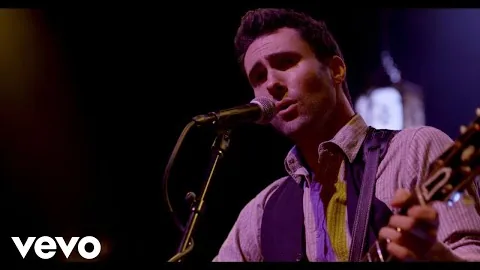
Adam Levine - Lost Stars (from Begin Again)
Even a being with light can lose its way
Reducing the title to the single meaning of lost dreams blurs the star’s double image. Stars appear in darkness but remain far apart; shining does not bring them immediately within reach of another being. The song’s longing can be read through that distance: wanting to be recognized while hesitating over what one can promise. Rather than dividing light and darkness into a simple scheme of hope and despair, seeing them as conditions necessary for finding each other holds the unease longer.
The questions are not confined to one character’s story. Everyone may want to be special, but sharing that desire also reveals the fear of perhaps not being special. Togetherness here is not solidarity among people who have already achieved their aims. It is a loose connection arising from not hiding that each does not know the way. This imperfect companionship also lets “Lost Stars” reach listeners unfamiliar with the plot. Even without being able to save someone, one can share the same question.
A louder voice does not supply an answer
Levine’s delicate timbre suggests offering a question cautiously rather than announcing it confidently. The anxiety at its starting point does not disappear as the emotion grows. It instead reads like someone raising their voice to carry it farther. Judging this flow solely through vocal intensity risks missing the vulnerability the song retains. What matters is the connection between a small confession and expanding feeling. Attention turns less to the height reached than to how far the question rises while still holding its initial hesitation.
In its relationship with the film, too, the song is best not treated as commentary explaining every character’s feelings. Depending on singer and listening situation, the same song may be an intimate confession or an expression directed toward many. Between them lies the issue that the scale of musical transmission need not match the scale of private feeling. The growing resonance in Levine’s version prompts consideration of that difference. When a song reaches more people, how much remains of the question that might first have been offered to one person?
A song remaining together as a question
What remains finally is less relief that the darkness has been fully lit than a change: being able to ask someone. When admitting to being lost no longer means failing alone, the song’s loneliness takes a slightly different shape. Levine’s voice sends that question outward rather than closing it in a resolved sentence. This incompleteness draws us back to “Lost Stars.” Receiving starlight as a small signal that people are still searching for each other, rather than proof of success, leaves both the song’s scale and its loneliness intact.