REVIEW · Songs & Albums
John Lennon’s “Imagine”: A Quiet Voice Asking Large Questions
Karaoke codes
Before reaching the familiar word peace, John Lennon’s “Imagine” asks for an act of imagination. Declaring that the world should improve works differently from asking someone briefly to picture the absence of boundaries taken for granted. The latter continues only when listeners make the scene in their own minds. The calm atmosphere makes the invitation easy to receive without making its content slight. Softly offered sentences contain large questions about the standards of belonging, ownership and belief.
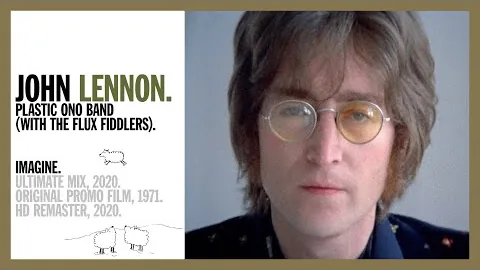
IMAGINE. (Ultimate Mix, 2020) - John Lennon & The Plastic Ono Band (with the Flux Fiddlers) HD
Words that briefly set aside the taken for granted
Imagination here is far from escape through forgetting reality. It is closer to temporarily erasing a familiar order to examine how it divides people. Picturing a scene without boundaries confronts listeners not only with what disappears but with what they want to retain. Hearing the song merely as a vague greeting to get along blurs that friction. While listing attractive ideals, “Imagine” quietly asks how much personal certainty one can relinquish to imagine them in practice.
The spare, piano-centered expression prevents the question from sounding like a coercive speech. With neither extensive explanation nor dramatic effects replacing the sentences, listeners encounter the proposal at relatively close range. Restrained sound does not mean small feelings. The gap between a gentle manner and the magnitude of desired change sustains tension. What we hear is peaceful, but picturing its world requires a considerable change to present life. That imbalance keeps the piece from closing into simple reassurance.
Calm sound and radical imagination
“Sincerity” alone is also insufficient to explain Lennon’s voice. What matters is speaking from the position of someone proposing rather than reprimanding. Listeners may disagree or accept only part. That room gives the song a different breath from a slogan immediately uniting opinion. Following the calm voice brings both moments of persuasion by the expression and hesitation over the content. Allowing both makes its conversation clearer.
The more often a peace song is sung, the more easily its original questions hide behind familiar slogans. Knowing the melody does not mean having answered every sentence. Considering anew how far imagination comes easily and where hesitation begins gives it another weight for today’s listener. That is also why “Imagine” cannot be reduced to an assessment of Lennon’s personal life. Interpretation keeps moving between the song’s assumptions and the scope of what a listener can actually accept.
What to consider before singing together
The quiet the song leaves is closer to a small space for saying large things than proof of a world without conflict. Within the space made by piano and voice, even a vast ideal sounds like an offer to one person. For collective singing to gain meaning, questions beyond the familiar melody must remain too. What to hold at the end of “Imagine” is less relief at having overcome every difference than a brief attempt to picture one taken-for-granted thing differently. The song makes room to repeat that beginning calmly.