REVIEW · Concerts & Live
Swings’ “IT’S MY YEAR II”: A Name at the End of a Long Night
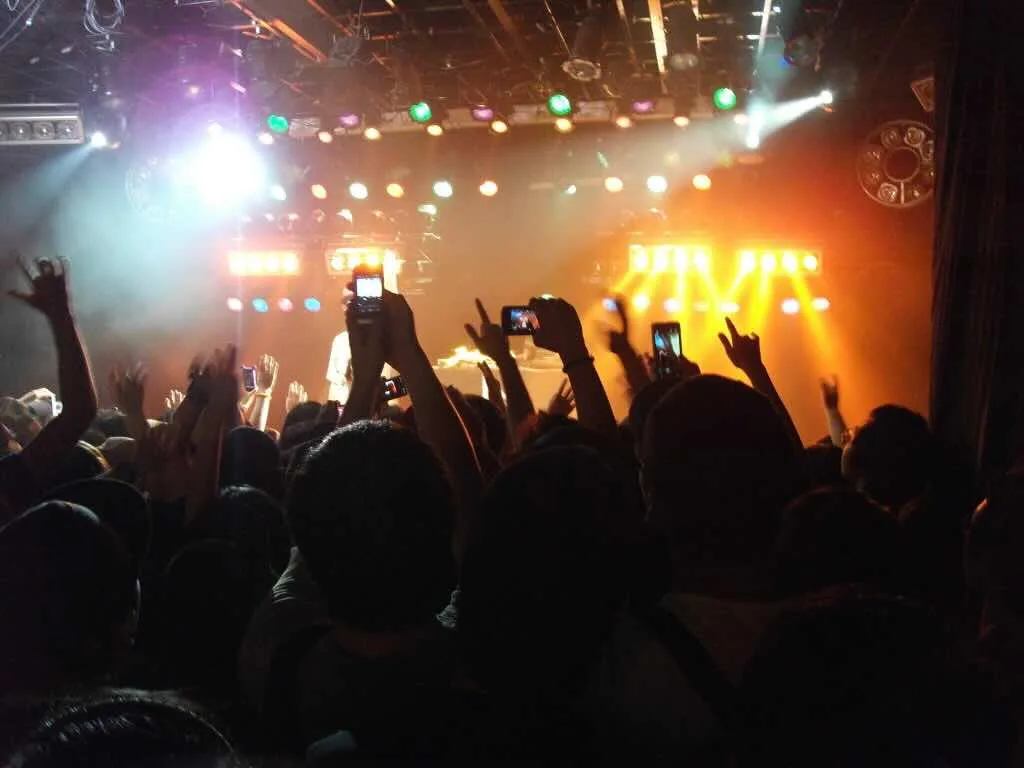
A distance joined by one name, and a short conversation after the show
A hip-hop show is not completed by the music onstage alone. Some performances only become a story after they end. Rapper Swings’ “IT’S MY YEAR II” was close to such a case. It remained a night in which a period of the hip-hop scene and its surrounding context overlapped, rather than simply a solo show.
The performance took place at Ye Hall in Apgujeong. Despite its billing as a solo concert, the stage was not structured for only one artist. Several rappers appeared in succession, and the atmosphere heated quickly from the beginning. For a spectator, it felt less like a night waiting for one person than a process of passing through many faces before finally reaching one name.
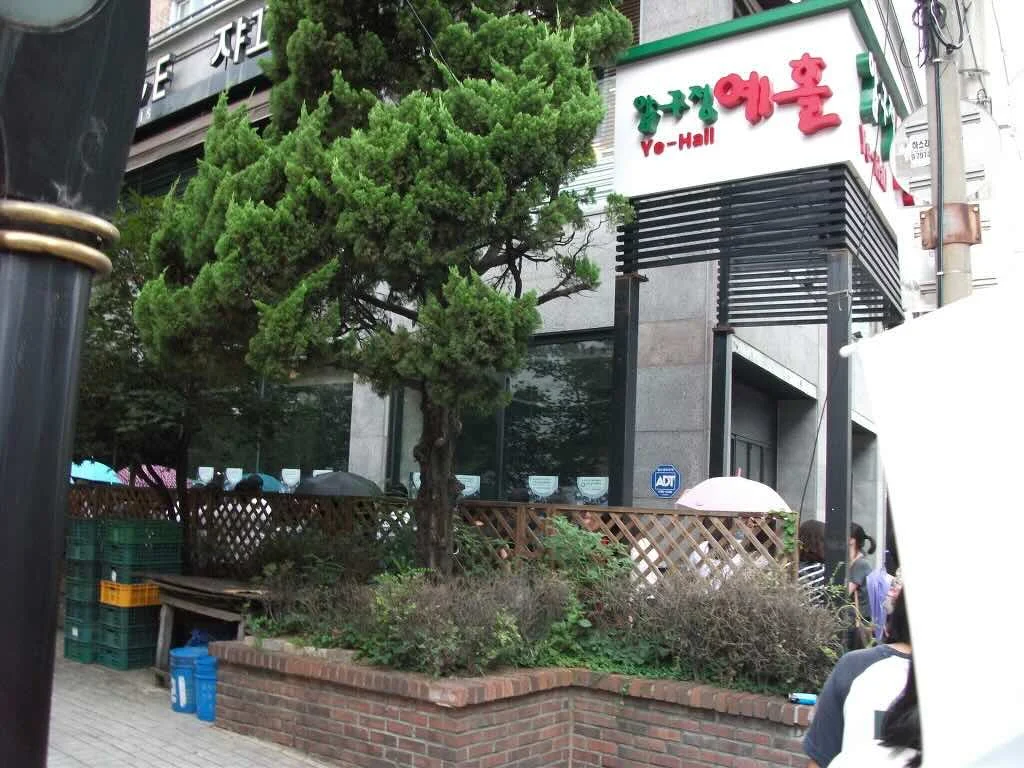
A long running time and a name appearing toward the end
“IT’S MY YEAR II” demanded the endurance of a typical hip-hop show. From 6 p.m. to 9 p.m., about three hours, the performance continued without a break. The venue was all-standing, and the audience had to stay on their feet throughout. As time passed, it gradually became a test of stamina, but the energy did not easily subside.
Only toward the latter part, after successive performances by several rappers, did Swings appear. At that moment, the atmosphere changed unmistakably. If the preceding sets formed a flow, his entrance felt like the act of gathering it. The audience’s gaze naturally concentrated at center stage, and the show finally gained one center.
A scene continuing offstage after the performance
A short autograph session followed. The venue remained noisy just after the performance, but a different atmosphere from the onstage heat was moving through it. People queued with items to sign, waiting their turn as the room gradually returned to everyday life.
Near the end of that line, a scene stood out. A spectator holding a folder taken from a bag stepped before Swings. “Sungkyunkwan University” was clearly printed on its cover. Seeing the words, Swings spoke first.
“Were you a senior of mine?”
The short question could be heard relatively clearly even through the venue’s noise. The spectator smiled and shook his head.
“We were in the same department. You called me once before, too.”
Swings tilted his head briefly. After a short silence, he said matter-of-factly:
“I don’t really remember. I dropped out.”
The conversation was not long. It looked no different from an ordinary autograph session and was not a scene of exaggerated emotion. Yet there was an unusual distance within it. A relationship that had once brushed past and their present positions intersected in a few short sentences.
The spectator made a light joke.
“Don’t leave my KakaoTalk messages on read.”
Swings replied with a smile.
“I’ll have to block you, then.”
They exchanged a brief laugh, and the conversation ended. It was neither a special reunion nor an emotional scene. Still, that short exchange after the performance was enough to turn the night into more than a memory of attending a concert.
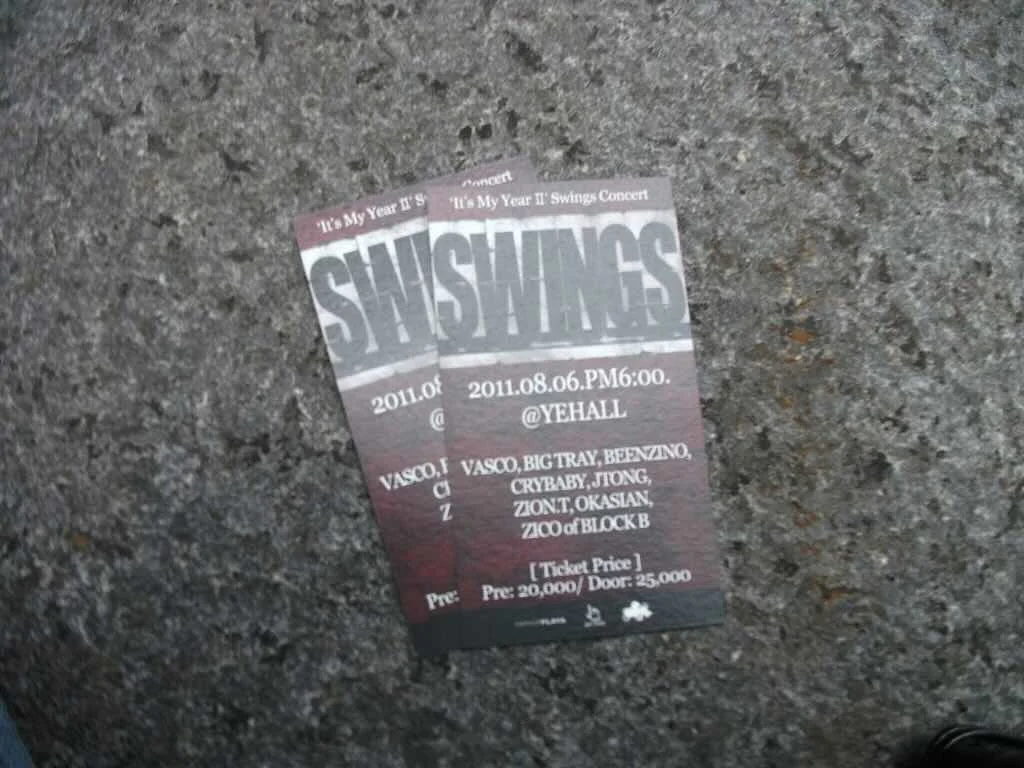
Music was not all the performance left behind
“IT’S MY YEAR II” was held under Swings’ name, but ultimately resembled a scene created together by a period of hip-hop, the people around it and the audience. Music flowed onstage, while individual timelines overlapped below.
The performance would be difficult to reproduce in the same way. Even with the same place, stage and songs, the day’s context and coincidences could not recur. It is therefore remembered as a situation more than as music alone. The show ended, but the short conversations and passing glances remained as a record.
What a hip-hop show finally leaves is the time that passed with its music. “IT’S MY YEAR II” was a night showing how that time crosses individual memory.