REVIEW · Songs & Albums
Nujabes’ Aruarian Dance: Time Between Guitar and Beat
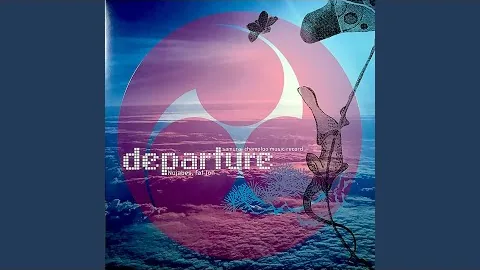
Nujabes’ “aruarian dance” keeps returning to a short guitar figure. While the melody comes around, the beat divides time beneath it. Increasingly familiar sound overlaps with a pulse moving onwards: the track passes while seeming to remain in one place.
The recording appears as track three on Samurai Champloo Music Record Departure, released on June 23, 2004. The official album listing identifies it as Nujabes’ work. Whether approached through the anime or through the music, it has a specific place on a specific record.
aruarian dance
A beat that changes how the same phrase is heard
Attention to the guitar alone can make the music feel circular. Moving attention to the beat reveals time being pushed forward beneath that circle. Melody and rhythm serve different functions: one supplies a familiar place while the other prevents complete stillness within it.
No dramatic development is needed to hear that difference. On one return the guitar can take the foreground; on another, the beat can. The sounds need not change completely for the character of repetition to change with the listener’s attention.
From an animated scene to four minutes of music
A soundtrack discovery can carry a particular scene with it. Without the screen, ears once following characters can notice smaller musical movements. Emotional memories of images and independent listening need not displace each other. They become two entrances to the same track.
Its spaciousness need not mean thinking about nothing. A returning sound can also allow longer attention to detail. A quiet background track can move unexpectedly into the foreground of listening. This short recording leaves room for that shift.